Citizen scientists asked to be catspotters
South Africa's hunting and safari sector taking hands to collect data on leopards.
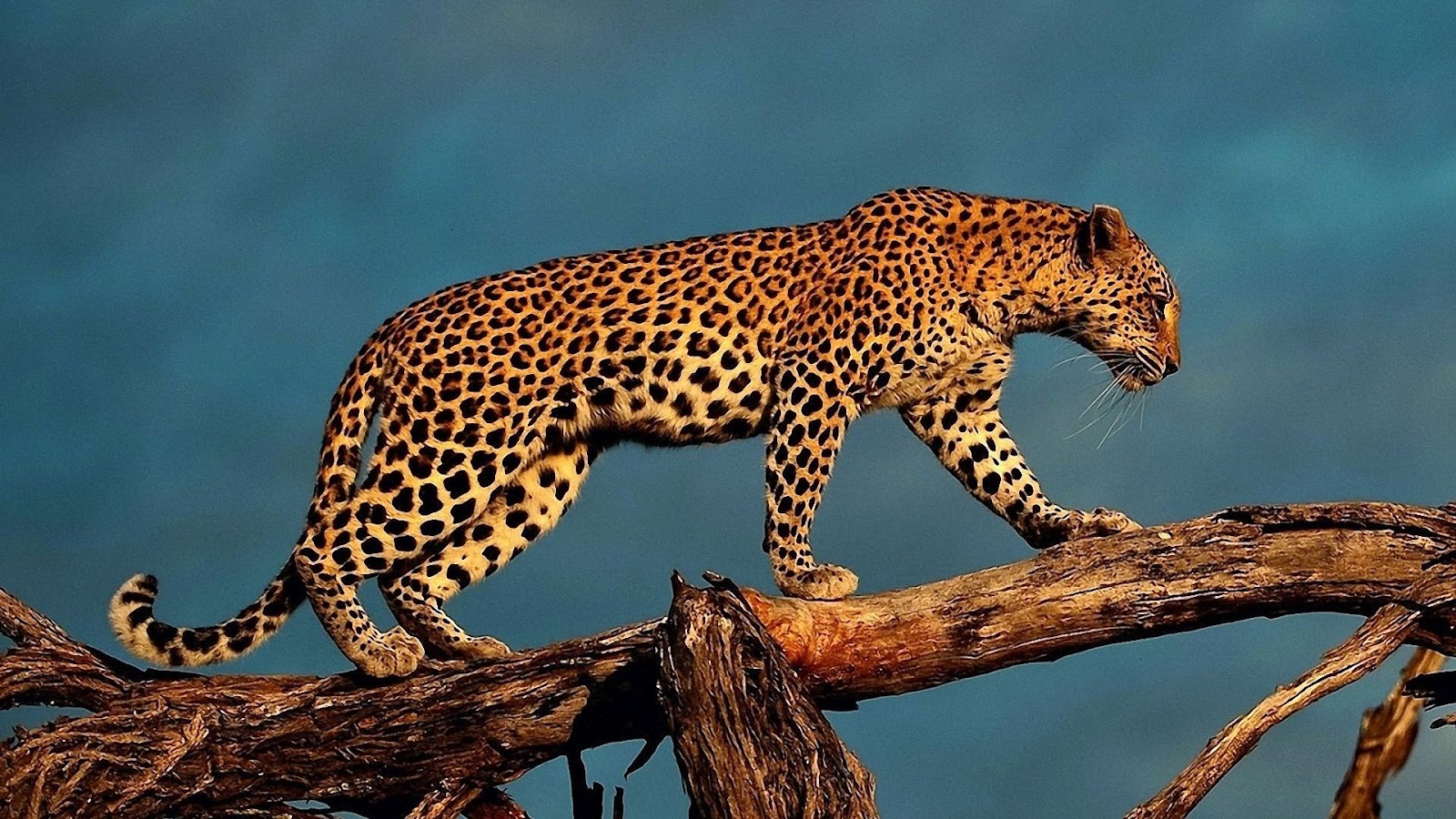
PRETORIA – A research project aimed at addressing the lack of scientific data currently available on the status of leopards (and other selective predator species) in South Africa is being launched by the country’s private hunting and safari sector in conjunction with the Tshwane University of Technology (TUT).
The project, headed up by TUT’s big predator behavior specialist, Dr Nkabeng Maruping-Mzileni, is the brainchild of the Limpopo Hunters Liaison Forum (LHLF).
They are channeling it through the Professional Hunters’ Association of South Africa’s (PHASA) Conservation Research Fund (CRF), which forms part of PHASA’s Hunters Care initiative.
VIDEO: SEE more about the day a leopard was spotted at a furniture store in Mbombela
This is where the hunting and safari sector, together with TUT, can play an integral role.
Over the years, the LHLF’s web-based data programme, Catspotter, has proven to be a successful data capturing tool.
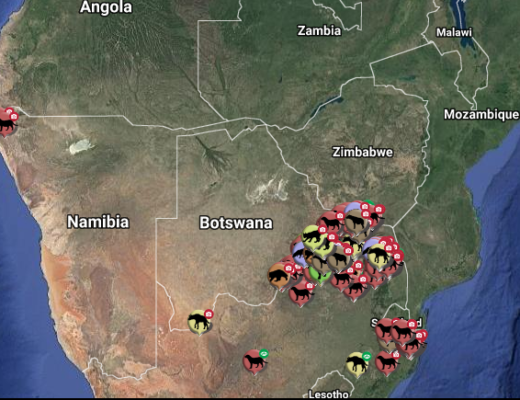
The LHLF made some improvements to the above to accommodate and meet the South African Biodiversity Institute’s (SANBI) data collection requirements.
VIDEO: See leopard leap from tree to tree
For scientific data to be considered for inclusion in non-detrimental findings, SANBI stipulates that all video footage or photographic images should clearly identify, illustrate and confirm the presence of free-roaming leopards in the area (e.g. spoor, leopard hair on prey etc.), and have the correct date and GPS coordinates on it.
“It is easy to upload photos or videos onto www.catspotter.co.za. And don’t despair if you don’t have a camera that indicates dates and times or GPS coordinates, we have a drag and drop tool that you can use to assign the exact location of the sighting and/or add the relevant dates and times,” says Bronkhorst.
Anything from trail cam photos to simple cell or smart phone images can be uploaded as long as it meets SANBI’s criteria above.
“The fact that citizen science can be included in our research makes the project unique, thorough, all-inclusive and exciting as any member of the public with the relevant scientific data to their disposal can contribute,” says Dr Maruping-Mzileni.