Mpumalanga has most fire outbreaks in South Africa
The Working on Fire-Kishugu Joint Venture were hard at work from January 1 and October 17, responding to 467 fires.
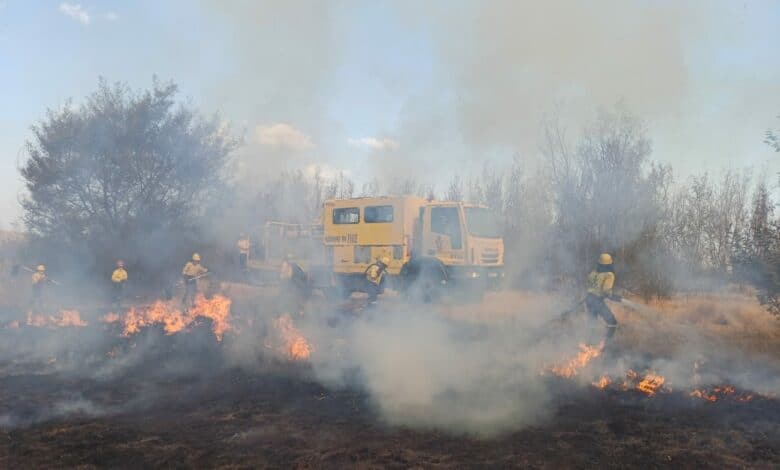
Mpumalanga has the highest fire incident rate in South Africa.
This according to Working on Fire-Kishugu Joint Venture’s (WOF-Kishugu JV) spokesperson, Amanda Mthembu.
The organisation’s records reflected a sharp increase in wildfires since 2016.
Between January 1 and October 17 this year, WOF-Kishugu JV responded to 467 fires – a staggering 101 more than the 368 responded to in 2023. And the fire season is not over yet.
ALSO READ: Fires rage around White River and Hazyview
For the same period nationally, the organisation responded to 2 277 wildfires, compared to 2 000 in 2017 – a year also marked by an unusually high fire incidence rate.
Mthembu said warmer temperatures and prolonged periods of drought, brought on by climate change, remained the primary driver.
Human activities and increased land use, especially within urban and wildland areas, as well as outdoor activities in fire-prone areas and unsafe practices, such as unattended campfires, also contributed to the increasing number of fires.
In the light of the deteriorating situation, she said the organisation remained on high alert and was ramping up its efforts to manage and contain wildfires in collaboration with its partners and stakeholders.
“Our dedicated team of over 5 300 firefighters, supported by 48 pilots and 18 aircraft support vehicles, stand ready to mobilise and protect vulnerable communities. Fire safety starts with public awareness and is vital to preventing wildfires. We urge everyone to stay vigilant, especially in fire-prone areas. Simple actions such as avoiding open flames in high-risk zones, adhering to local fire bans and reporting any signs of smoke can significantly reduce the number of wildfires and their devastating impacts. The importance of prevention is paramount,” said Mthembu.
In addition, she said this record-breaking fire year pointed towards the escalating urgency of increased community education, awareness programmes and enforcement of fire safety regulations. She concluded that collaboration among government agencies, fire management organisations and local communities would be essential in mitigating the impact of future fire seasons.