Marloth Park: Overstocking crisis as animal numbers rise
The rise in animal numbers in Marloth Park is an ongoing concern.
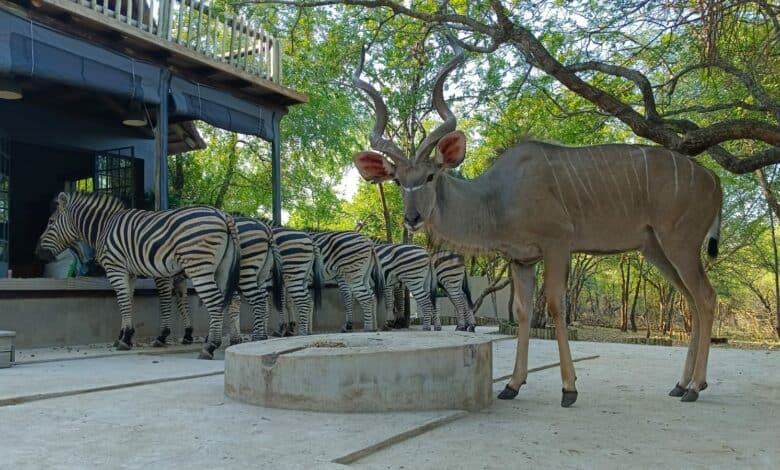
Despite the ongoing overstocking crisis in this drought-stricken holiday town, recent counts reveal a worrying rise in animal numbers.
According to the six-monthly animal count carried out by the Marloth Park Honorary Rangers (HR) and volunteers, there has been a significant increase in bushbuck and wildebeest populations.
Velly Makwakwa, the head ranger of the Nkomazi Local Municipality (NLM), said they are currently reviewing the latest figures and will base their plans to reduce animal numbers on the findings.
ALSO READ: Marloth Park animal culling saga remains unresolved
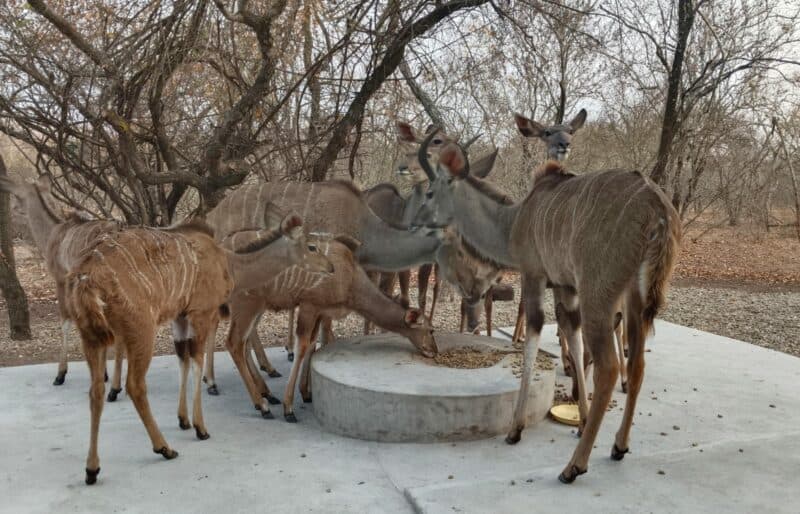
Although many animals have died and some were recently removed, the numbers remain unsustainably high, as a new crop of young animals has been born during the overstocking crisis.
After the NSPCA was granted a court order compelling the NLM to control animal numbers in the park, a permit for the removal of animals was issued. The process is now being carried out by Wildlife Vets. According to the permit, hundreds of animals – including 600 impala – will be removed.
ALSO READ: Marloth Park Ratepayers Association threatens more legal action to stop animal culling
There was considerable concern and conflict over the reduction of animal numbers, with fears that culling could be dangerous.
However, Wildlife Vets chose to erect bomas in which the animals were corralled and relocated to the Lion Spruit Reserve, adjacent to Marloth Park.
ALSO READ: Marloth Park game must be culled – NSPCA
The culling will take place there.
Authorities also managed to find reserves for the live relocation of some giraffe, zebra, kudu, wildebeest, impala and even warthog. This was an unexpected development, given the strict laws governing animal removal from Marloth Park due to its classification as a ‘red zone’ for animal diseases.
Chief HR Genie Retief said another large take-off of game will need to be done next year. “Not much will change, and we just have to work hard at rehabilitating the veld for the future.”
Overgrazing is one of the park’s biggest concerns. In recent years, it has led to hundreds of animals dying of starvation. The HR, with the help from resident volunteers, started a successful Plant Propagation Project to improve grazing in the long term. A specially developed grass seed, called Marloth Mix, is used for this purpose.
Another method to reduce animal numbers is by slaughtering and processing animals in the park’s abattoir. The abattoir was recently refurbished and is currently awaiting licensing from the Mpumalanga Tourism and Parks Agency.
During the latest count – which covered September 2024 to May 2025 – animal numbers were recorded as follows, with the previous year’s figures in brackets: impala 973 (805), warthog 256 (168), wildebeest 79 (81), kudu 274 (273), zebra 64 (80), giraffe 58 (61), bushbuck 249 (208), baboon troops 5 (5), monkey troops 10 (13), and mongoose troops 10 (21).

Duiker numbers can be particularly difficult to establish, as these small antelope are often well hidden in bushes or thickets. The latest count shows an increase of more than 60%, with 110 recorded compared to just 43 last year.
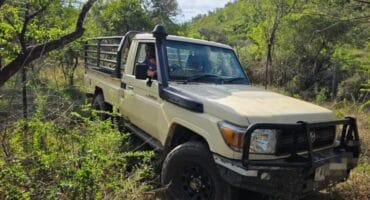
A three-day game count is conducted twice a year. The same six teams of four people set off by car at 06:30, counting the same blocks and following the same routes. This ensures no double counting. The count runs for three consecutive days.
The multi-day count has revealed that daily totals can vary by 30 to 40 animals per species. An additional 30% is added to account for animals likely missed during the count.
A statistical formula is then applied to produce a reasonably accurate final total. These figures are provided to the municipality to help guide decisions on animal take-off numbers.
This new method is far more effective than the misleading one-day count method previously used.