ALERT: Mpumalanga foot-and-mouth disease outbreak, what you need to know
Farmers are urged to be on high alert as foot-and-mouth disease outbreak hits the province.
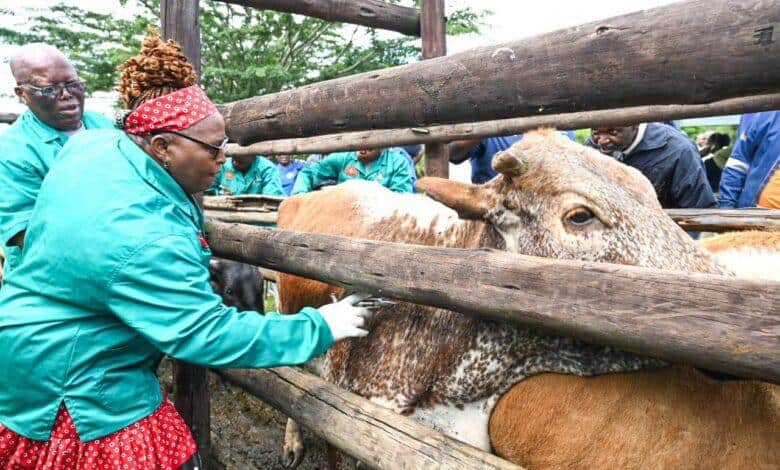
A recent outbreak of the foot-and-mouth disease (FMD), a viral infection affecting cloven-hoofed animals, is threatening livestock and livelihoods across South Africa’s agricultural sector. The disease was first detected on April 11 in KwaZulu-Natal, with further outbreaks later confirmed in Mpumalanga and Gauteng. In Mpumalanga, the first cases were recorded on a farm in the Dr Pixley Ka Isaka Seme Local Municipality and at an abattoir in the Dipaleseng Local Municipality on June 2.
Many local farmers have expressed concern about the impact of FMD on livestock, productivity, food security and income. The virus can severely affect the livelihoods of farming communities, making it essential to address broader issues such as education, support, health and income stability.
FMD is caused by an Aphthovirus of the family Picornaviridae, which includes several serotypes: A, O, C, SAT1, SAT2, SAT3 and Asia1. Its high variability can limit the effectiveness of vaccines and makes it one of the most economically significant livestock diseases worldwide, with serious implications for international trade.
Even though vaccine effectiveness is limited by the virus’ variability, farmers and the public are being urged to vaccinate their animals to help limit the spread. The Department of Agriculture has invested R72m in the purchase of over 900 000 vaccines.
The vaccines, sourced from Botswana, were announced by the minister of agriculture, John Steenhuisen, who said they would be used primarily in KZN to curb persistent outbreaks. “The arrival of these vaccines marks a significant step in our efforts to contain the spread of FMD, strengthen biosecurity, and work towards long-term solutions, including local vaccine production,” said Steenhuisen.
ALSO READ: Dog rescue: Mbombela experts deploy
He confirmed the vaccines were escorted by police to Onderstepoort Biological Products for distribution. He added that vaccinating cattle forms part of the department’s broader strategy to bring the outbreak under control.
Zanele Shabangu, the spokesperson of the Mpumalanga Department of Agriculture, Rural Development, Land and Environmental Affairs (Dardlea), said the movement of cloven-hoofed animals in affected areas is being restricted. She identified key risk factors as high animal density, low vaccination rates and poor biosecurity.
“The government, local farmers and stakeholders need to recognise how critical these risk factors are in developing effective control measures,” Shabangu said.
Control measures for affected areas include:
• Deployment of veterinary officials to affected areas
• Animal movement control
• Authorisation for animal products to be moved to a controlled area
• Surveillance and sampling in surrounding areas
• Public awareness
• Controlled slaughter of affected animals
• No movement of animals between farms.
Restrictions in place:
• Complete bans of movement in infected areas until further notice
• Permits required for movement of animals for slaughter
• Animal products must be certified to be fit for human consumption
• Suspension of live animal trade in affected areas (including auctions)
• No movement of susceptible animals into affected areas.
Recommended preventative measures:
• Quarantine new animals for 28 days before mixing them with existing stock
• Only purchase livestock from accredited suppliers or sellers
• Only purchase animals with health certificates
• Immediately report symptoms such as drooling, lameness, lesions on the feet and mouth or fever
• Restricted access to farms
• Disinfect equipment and clothing using a registered FMD-approved disinfectant
• Avoid sharing equipment and farm workers
• Heighten biosecurity measures.
ALSO READ: Python removed from Barberton road property, missing dog thought to be eaten by it
Farmers are urged to monitor livestock closely for symptoms, as early detection remains critical in controlling the spread of the disease. Dardlea has confirmed that it is managing active outbreaks and is preparing to launch educational and awareness initiatives in affected regions.