Disruptions at Mbombela and White River licensing centres leave public gatvol
The DLCT's are constantly disrupted due to internal issues and system being down frequently.
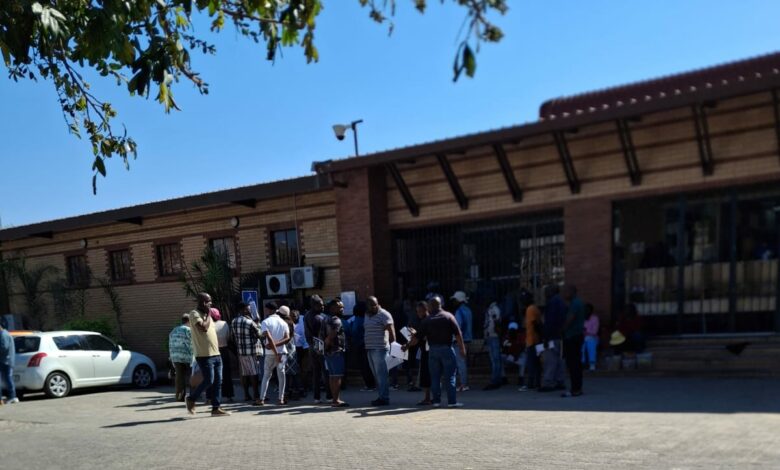
Disruptions at the driving licence testing centres (DLTC) in the city and White River continue and motorists are becoming increasingly gatvol with the lack of services.
Internal challenges including union strikes, system failures, refurbishments and year-end financials at these centres have cost many motorists a lot of money and caused major inconveniences for the public.
DLTC workers, who are union members, recently closed centre doors for more than two weeks, leaving the hapless public unable to access essential services.
During July, the Department of Community Safety, Security and Liaison (DCSSL) announced a full week’s closure for ‘essential’ refurbishment work.
ALSO READ: Services disrupted at Mbombela licensing centre
In March, the DLTC closed its doors for financial year-end.
Another frequent issue is system downtime.
The fact that this issue is out of the centres’ control, as they rely on a national network, does not carry any weight with residents any more.
These closures, are taking their toll, leading to an increasingly gatvol community.
Many travel, at great expense, to these centres, only to return home empty-handed.
The timing of all these unplanned closures is leaving law-abiding citizens in a constant flux.
Many motorists claimed to have received fines for driving with expired licences and vehicle discs as they are unable to renew them at the DLTC.
Those who try to book for learner and driving licence tests are also affected, having to face long delays, uncertainty and closed doors. Disappointed and angry residents are urging the DCSSL to find a permanent solution to these unacceptable inconveniences.
The DCSSL spokesperson, Moeti Mmusi, said the protests at both the Nelspruit and White River DLTCs were due to internal issues.
ALSO READ: Licensing and vehicle registration temporarily unavailable at Mbombela testing centre
He said the matter was treated with urgency and he appealed to the workers’ union not to disrupt public services.
“The closure of facilities by workers and their union was uncalled for, because the people who are supposed to receive services are the ones being affected. We had individuals who had booked to renew their driver’s licences, write their learner’s tests or be examined for licences – but they couldn’t, because the workers had decided to close the doors of the facility,” he said.
Mmusi added that if the workers have grievances, they should take them up with the DCSSL and allow the public to access the services the centres were created to provide.
“By disrupting services at our centres, they are also crippling the economy, since some vehicles can’t operate without the permits we issue. We already have a backlog and this is making the situation worse. People spend money to come to these facilities and some had already booked and paid for appointments – only to be turned away because employees closed our doors,” he said.
With regards to the frequency of the system being offline, Mmusi explained that while the network’s issues are beyond their control, measures are being taken to improve its consistency.
He also defended the refurbishment closure, saying it was necessary to ensure the safety of both workers and the public.
Mmusi added that both centres are currently operating with no issues and people can walk in at any time and will be assisted.
While the DCSSL acknowledges the problems and is purportedly taking steps to address these disruptions, increasingly gatvol residents have to deal with the daily reality and loss of money.