Mbombela’s Oupa Pilane re-elected as head of Tourism board
The re-elected Satsa board chairperson Oupa Pilane will focus on growing inbound tourist numbers in South Africa.
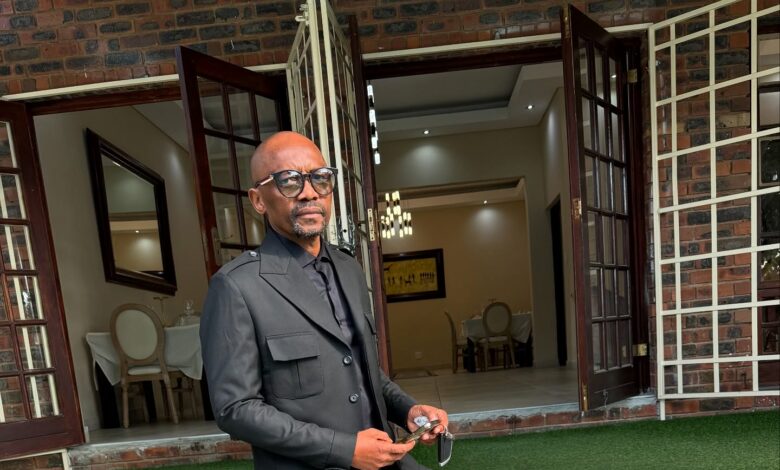
Local business leader Oupa Pilane has been re-elected as chairperson of the Southern Africa Tourism Services Association board (Satsa).
The election was held on Friday, October 3, and the results were announced the following Monday, October 6.
Pilane’s previous term focused on post-Covid-19 recovery in the tourism sector. During the election, he expressed pride in the board’s achievements.
“The previously elected board managed to increase the number of tourists to South Africa by 92% – a great achievement,” he said.
“However, this recovery was not experienced by all provinces. The Kruger National Park and Cape Town benefited the most. It is vital that other provinces also benefit.”
ALSO READ: Catastrophic lightning strike damages cars, injures child at God’s Window
In his new term, Pilane plans to ensure tourism benefits are shared across the entire country. We need to keep increasing the number of tourists to South Africa, but in a way that allows the entire country to benefit. I must stress the necessity of tourist safety and meaningful collaboration with the government,” he added.
“The country should be a safe place for visitors. This means the government should work with the private sector on plans, developments and growth within the tourism sector.”
He voiced frustration over what he sees as the government’s lack of commitment to private-sector involvement.
ALSO READ: Lowveld beauties fly SA’s flag high
According to Pilane, the private sector, responsible for accommodating and transporting visitors, must continue its efforts to engage with an unwilling government until consultation issues are resolved.
He also stressed the importance of community involvement and infrastructure investment.
“To grow a sustainable tourism industry, local communities surrounding tourism attractions should be involved,” he said.
“The management of these sites should ensure visitor safety while communities benefit. When communities near attractions do not benefit, they have no incentive to protect the area or the tourists. This can leave visitors vulnerable to crime, which could seriously damage South Africa’s tourism sector.”
Pilane also expressed dismay at the lack of essential maintenance, even at financially self-sustaining sites.
“These major attractions generate their own income and don’t require government budget allocations. Instead of discussing the way forward, they are still dealing with potholes and toilets that don’t flush. Part of their tourism income should be used to maintain these sites.”
In conclusion, he thanked everyone for believing in his ability to lead the tourism sector to greater heights.