Fireworks: Festivities come at a cost to pets
Explosions and bright light displays of fireworks can trigger severe anxiety and hearing damage in dogs.
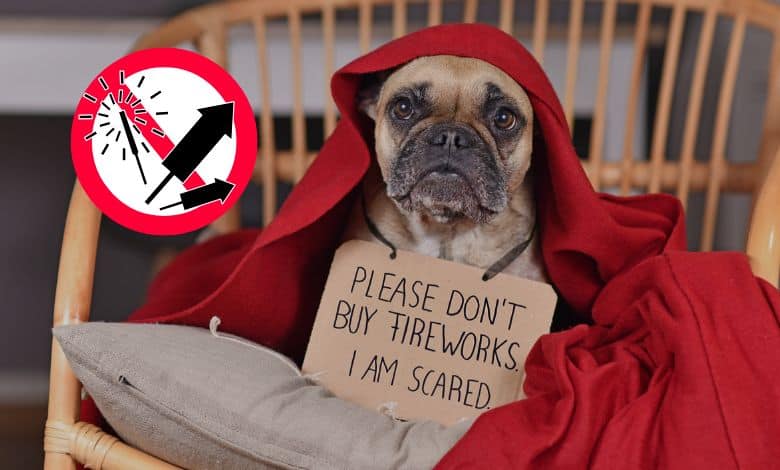
Every year, SPCA White River rescues numerous animals that panic and flee during fireworks displays, especially around New Year’s Eve.
Branch chairwoman Estelle de Villiers said loud noises and bright flashes can frighten dogs, cats and even farm animals, causing them to run away and become lost.
The Animal Protection Act 71 of 1962 protects animals from unnecessary suffering and distress caused by fireworks. De Villiers said animals at the shelter often show signs of stress during fireworks, such as pacing, hiding or vocalising.
“Our staff provide safe, quiet areas, comforting blankets and familiar toys to reduce anxiety, ensuring animals are treated with care and dignity, as required by the act,” she said.
She added that pet owners and the community can help by keeping pets indoors, creating calm spaces, and ensuring pets are identifiable with collars or microchips. Reporting lost animals promptly and being mindful of fireworks in public areas also supports animal welfare. Simple precautions go a long way in preventing unnecessary suffering and keeping furry friends safe.
ALSO READ: First surgeon to complete landmark training at Busamed
According to Four Paws, fireworks are frightening to pets, and the fear of fireworks is common and poses a significant animal welfare problem.
The article outlines that if humans consider how animals perceive noise and light, it is easy to understand why many are scared of fireworks:• Dogs and cats perceive sounds as much louder than humans because their hearing is more sensitive.
• Animals struggle to make sense of firework noises, as they are not only extremely loud but also unpredictable. They associate such noises with danger, and their survival instincts drive them to seek safety.
• The overall effect is comparable to thunder and lightning during storms, except that fireworks can last much longer – up to 48 hours before and after festivities – which often triggers a fear response in animals known as astraphobia.
• Fireworks occur closer to the ground than thunderstorms, making the impact even more overwhelming. In addition, the lights and noise are accompanied by smoke and acrid smells.