Thousands unemployed in Mpumalanga
Unemployment rates are structural in nature, meaning that there are some inherent problems in the labour market and among those searching for jobs which cause these rates to be high.
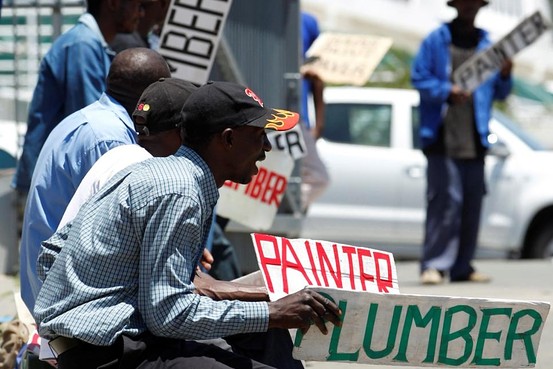
MBOMBELA – According to the latest reports from Statistics SA (Stats SA), there were 420 000 unemployed people in Mpumalanga during the third quarter of 2015.
Unemployment rates are structural in nature, meaning that there are some inherent problems in the labour market and among those searching for jobs which cause these rates to be high.
The Stats SA figures show that those mostly affected are young people. Market problems include the so-called skills mismatch: those searching for jobs do not have the right skills and qualifications for the available jobs.
“Those who are searching for jobs, especially among the youth, do not have prior work experience (in Q3: 2015 51, four per cent of the unemployed youth in South Africa indicated that they have never worked before) thus as most jobs require previous work experience, those searching for jobs may not find employment,” said Ms Zandile Nonyane, a survey statistician at Stats SA.
Nonyane said another important indicator to look at was the expanded unemployment rate which included persons who had given up searching for a job; the so-called discouraged which currently stands at 34,4 per cent. South Africa’s unemployment rate is sitting at 25,5 per cent, which has a knock-off effect on the country’s economy.
“The unemployment rate is an important indicator of the health of the South African labour market. South Africa’s unemployment rate is very high.
“At 25,5 per cent it means that a quarter of the labour force is searching for a job and is thus not actively contributing to the economy of the country by working and becoming productive citizens,” said Nonyane.
In South Africa, 66 per cent of the unemployed have not been working for more than a year.
There are also a number of negative social aspects associated with high levels of unemployment in a country which negatively affect the economy, including higher crime rates and a deterioration of human capital.
“In addition, the longer people remain out of the labour market the more their skills deteriorate and their chances of ever finding a job decline significantly,” concluded Nonyane.