Lily workers’ suffering far from over
Lily currently owes its creditors R63 million. It owes a further R15 million to banks for secured assets and has an overdraft of another R1,5 million
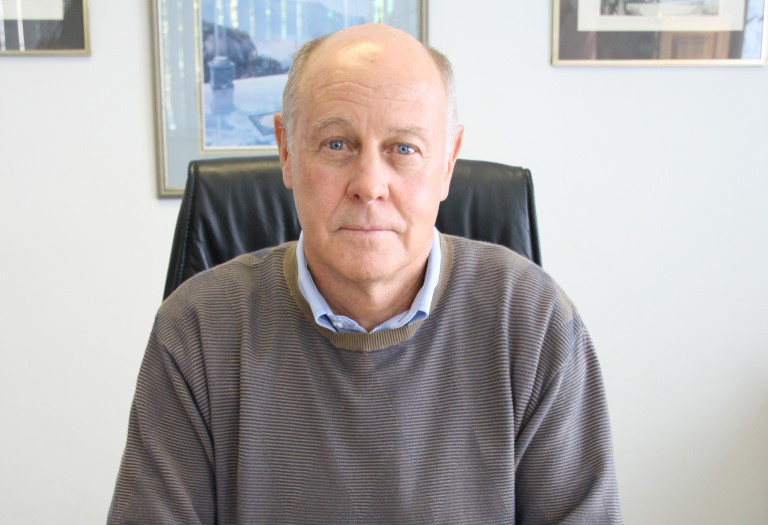
MBOMBELA – Lily Mine employees are anxiously waiting news about when they will receive their salaries and when construction of the second access point to the mine will commence.
The sad reality is that not even management knows. The entire mine’s fate is now resting on government. This brings little comfort to the struggling miners who have to rely on charity for survival.
Lily is the largest mine owned by holding company Vantage Goldfields and was responsible for generating about 80 per cent of the group’s income until the collapse on February 5. That explains why it cannot be sustained by the neighbouring Barbrook Mine.
Employees each received R650 at the end of April, and management members of Vantage said they too did not take home pay.
Since government has pleaded with Vantage to keep Lily operational as it is far from reaching its mining capacity, the decision was taken to place it in business rescue (BR).
Also read: Is human error behind the collapse at Lily Mine?
Lily was placed in BR on April 7 and Mr Rob Devereux from Sturns Business Rescue Practitioners has been appointed as practitioner.
Lowvelder met with Vantage Goldfields CEO, Mr Mike McChesney, this week in an attempt to get the answers employees have been demanding. He was accompanied by Devereux, since all correspondence has to be conducted through him when in business rescue.
He explained that BR is aimed at facilitating the rehabilitation of a financially distressed company. The company – Lily in this instance – is placed under temporary supervision of the BR practitioner who manages its affairs.
There is a moratorium on the rights of all claimants against the company or in respect of all its property. A BR plan is developed to rescue the company by restructuring its affairs. This may include a restructure of the business, its property, debt, other affairs, liabilities and equity.
Also read: Lily Mine rescue mission enters red zone
Devereux added that, “In terms of law, a BR plan must be published within 25 days after the practitioner’s appointment. My proposal must thus be published on Monday. Within 10 days, the creditors must vote and, once the plan has been approved, it becomes binding on them and Lily.”
Various projects have been suggested to get Lily operational again. Its salvation lies in the establishment of a second access point to the mine. Through this they will be able to reach the trapped miners, Ms Yvonne Mnisi, Ms Pretty Nkambule and Mr Solomon Nyerende and mining will be able to continue.
The Industrial Development Corporation (IDC) is expected to provide the majority of the funding needed to get the ball rolling. Devereux has already submitted this proposal to the IDC.
“This body, in turn, has its own internal processes to follow before it can commit to us. So unfortunately, we have no definite date on when this much-needed project can commence,” he stressed.
Devereux disclosed that Lily currently owes its creditors R63 million. It owes a further R15 million to banks for secured assets and has an overdraft of another R1,5 million.
“A large portion of the debt has been incurred since the collapse on February 5. Yes, some of the money was outstanding to creditors before the collapse, but that it is because Lily, and any business for that matter, operates on a 30-, 60- or even 90-day credit system.”
McChesney admitted that the mine has been in a difficult financial position since the collapse. “You have to bear in mind that we had only been producing gold for four days for the month of February before tragedy struck.” Both he and Devereux stressed that the mine is facing financial difficulty because of the disaster and not mismanagement.
Bara Consulting has already submitted a preliminary design report of the new decline shaft. The estimated cost is about R130 million. This cost projection includes the required manpower and machinery.
However, an estimated further R60 million in working capital will be required to get the equipment operational. “We don’t know – there might be damage to the equipment underground which may need to be overhauled and we will need to secure the underground workings,” McChesney explained. It is estimated to take about six to eight months to establish this decline shaft.
Some of Lily’s existing staff will be redeployed to the decline project. “We have also identified a project within Barbrook which involves the retreatment of an old slimes dump,” McChesney said.
“We are in consultation with the Department of Higher Education to redeploy some of Lily’s employees into the training environment. They have valuable skills to offer and through this, hopefully, we can obtain funding from the National Skill Fund and Labour Lay-off Programme,” Devereux said.
Voluntary retrenchment is also an option, although not confirmed at this stage. “Staff members will then have access to their provident funds and have the first option to reapply for employment once Lily is operational again.”