Terrano shares its platform with the Navara Pro bakkie and will be produced in China instead of Japan or Spain as the original and later Terrano II.
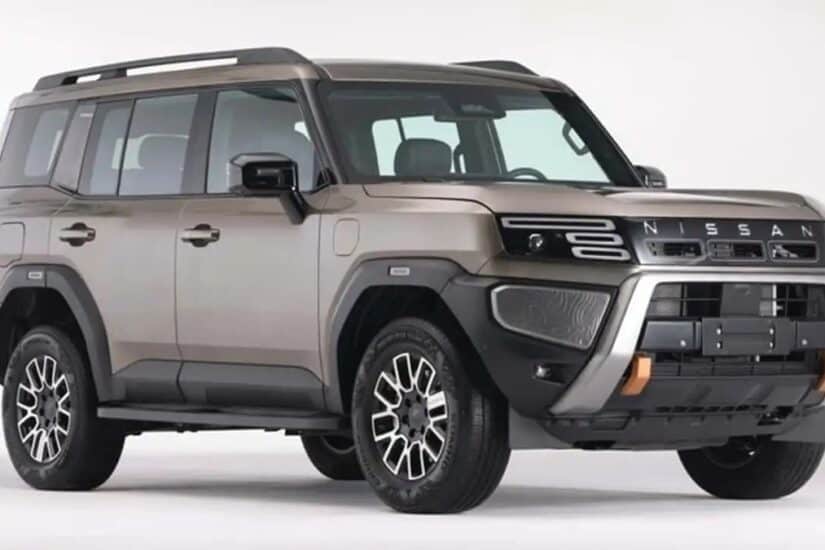
Made-in-China all-new Terrano will go on-sale in 2027. Picture: MIIT via motor1.com


China’s Ministry of Industry and Information Technology office or MIIT has unofficially outed the revived Nissan Terrano ahead of its world debut next year.
Welcome back
Reviving the Terrano name last used in 2005, the newcomer won’t be build in Spain nor will it be sourced from Japan where the Terrano name was used on the Japanese-market version of what was known elsewhere as the Pathfinder.
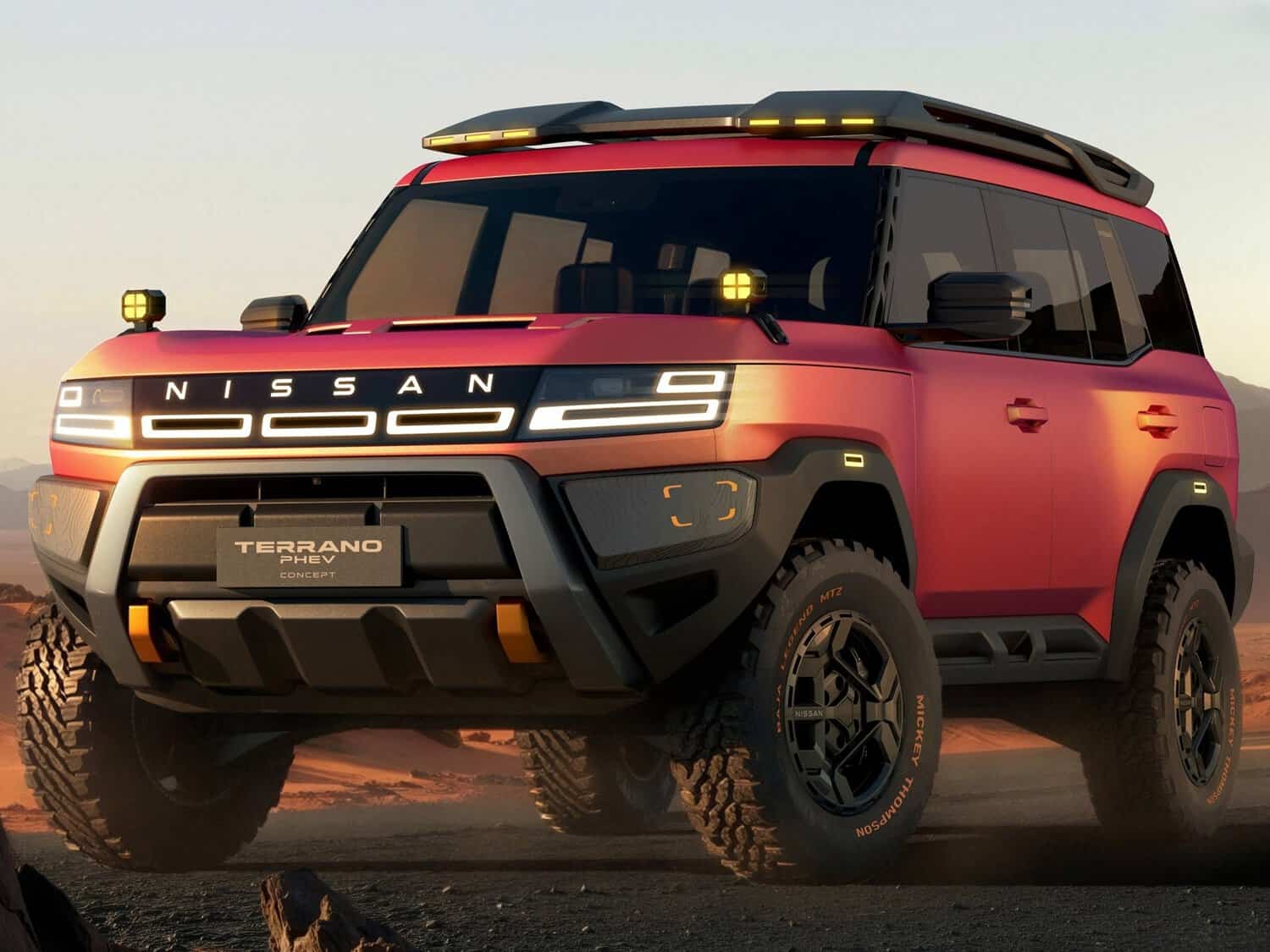
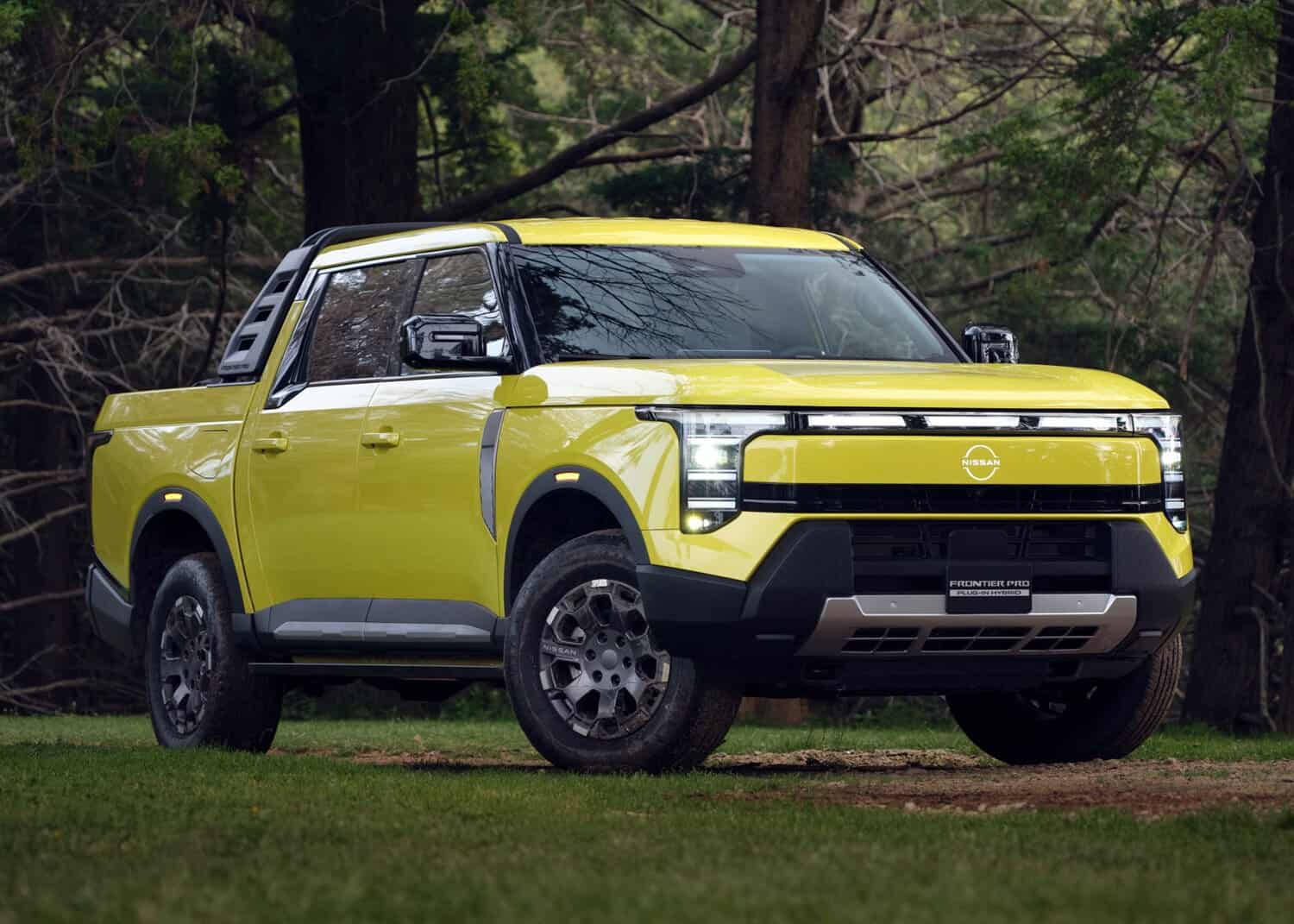
Shown as a concept at the Beijing Motor Show on April, the Terrano stays true to the original European and Japanese versions by retaining a body-on frame construction, albeit this time derived from the Chinese-made Frontier Plug-In Hybrid/Pro bakkie.
The result of Nissan’s partnership with Dongfeng under the Zhengzhou Nissan banner, the Terrano becomes the latest joint venture model after the Frontier Plug-In Hybrid, which is sold by Dongfeng as the Z9 in China.
Dimensions
Published in a single exterior image, the production Terrano has been altered surprisingly little from the concept, with the MIIT office claiming its dimensions as the following:
- Length: 5 098 mm;
- Wheelbase: 2 850 mm;
- Height: 1 961 mm;
- Width: 1 979 mm
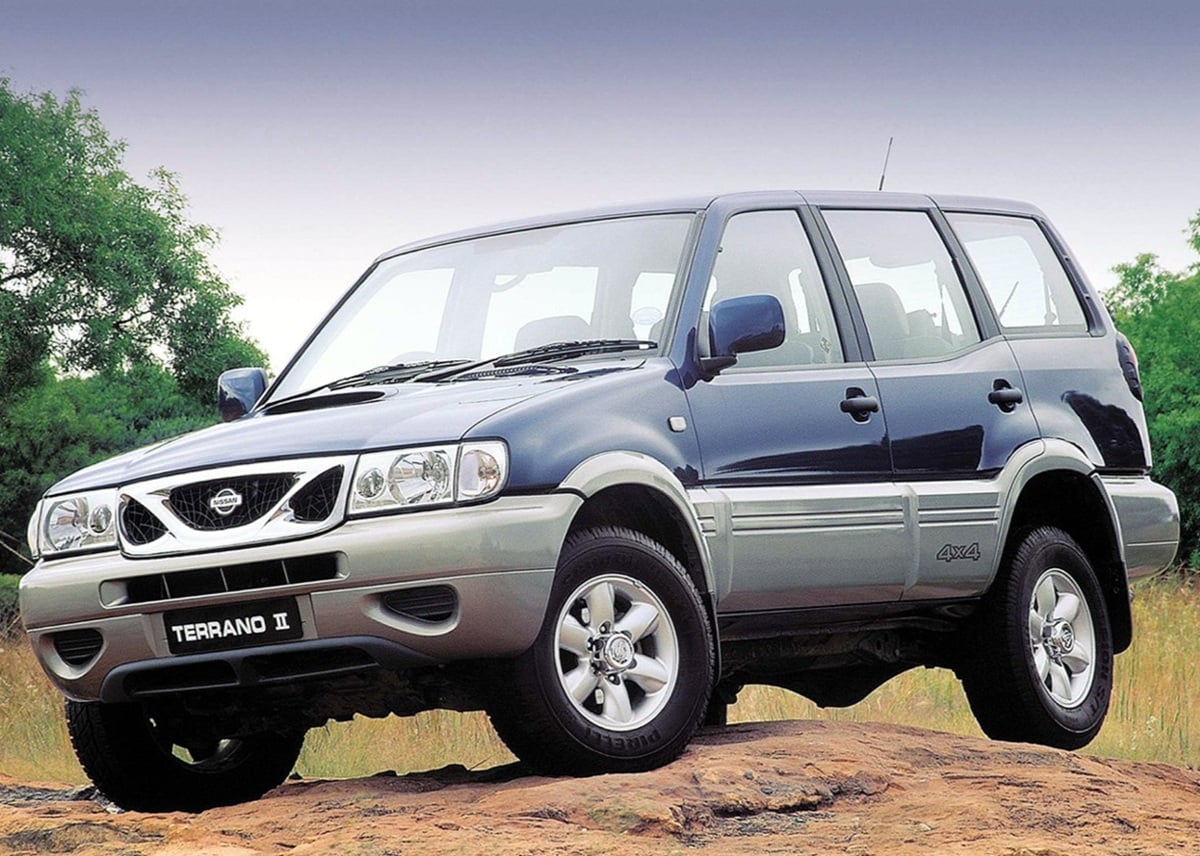
Unlike the Spanish-built example, and the later facelift Terrano II, the newcomer won’t have a three-door bodystyle, but will have a low-range transfer case on four-wheel drive variants.
Going further, the MIIT documents reveal a towing capacity of 2 500 kg, an approach angle of 36° and departure angle of 31°.
PHEV, petrol or diesel
While no interior images were revealed, the document filings did come with technical details confirming not only the plug-in hybrid powertrain the concept debuted with, but also a turbocharged petrol and a turbodiesel.
The same engines used in the Z9 and Frontier Plug-In Hybrid/Pro, the petrol displaces 2.0-litres and develops 190 kW, while the turbodiesel is the same 2.3-litre unit used in the erstwhile European-spec D23 Navara with outputs of 140 kW.
Depending on the market, the diesel can be had with either a six-speed manual gearbox or an eight-speed automatic, with the petrol paired as standard to the latter. No transmission details for the Terrano was, however, disclosed.
Finally, the plug-in hybrid marries the same 2.0-litre turbo with an undisclosed battery pack powering a single 57 kW electric motor. The only transmission option, in the Frontier Plug-In Hybrid, is a four-speed Dedicated Hybrid Transmission (DHT) the Terrano will most likely also have.
The claimed combined output is 200 kW, which is significantly less than the 300 kW made by the incoming Australian-spec Frontier Plug-In Hybrid/Pro that will be marketed as the Navara Pro next year.
For South Africa?
As it stands, no further details about the Terrano is known, or whether it will be sold in South Africa at some stage.
Nissan Australia has, however, hinted at the possibility of the Terrano being offered with right-hand drive similar to the Navara Pro after its CEO, Steve Milette, said the division is looking into it with significant interest.
“You saw the Terrano concept vehicle. To me that would be something we seriously need to look at, and there would be demand for that at this point,” Milette was quoted by carexpert.com.au as saying.
Sold in South Africa as a replacement for the locally devised Hardbody-based Sani between 1998 and 2002 as the Terrano II, the new Terrano remains an unknown entity for the local market.
However, don’t be surprised if more details emerge after its world premiere in 2027.