


Curious about the Haval H6 PHEV? Learn how this vehicle delivers performance and value for South African drivers.
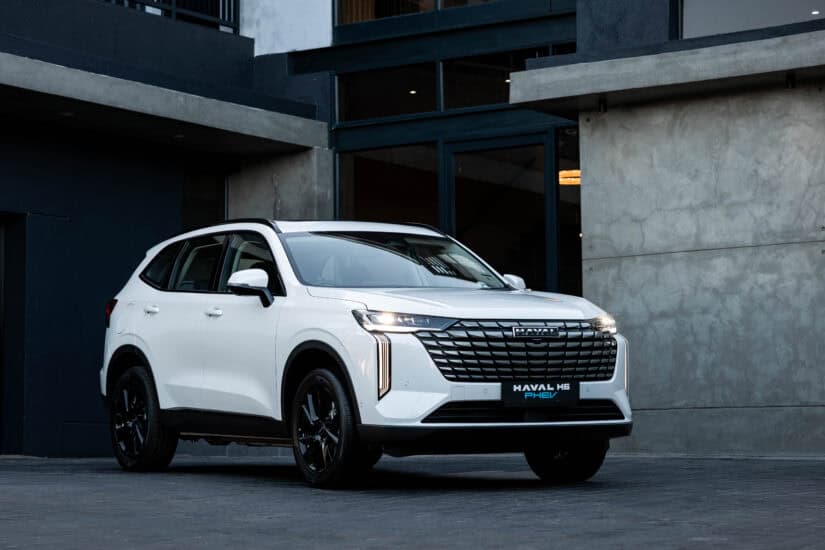
The Haval H6 PHEV combines SUV practicality with plug-in hybrid efficiency, offering a versatile driving experience for motorists looking to balance performance, comfort and fuel economy. Picture: Supplied


There is a lot of noise around Chinese cars in South Africa, and I think we have reached a point where we need to move beyond the jokes, the scepticism and the endless debates about whether we would actually buy one.
The reality is that South African motorists are under pressure.
Between petrol prices, interest rates, insurance premiums, maintenance costs and the general cost of living, buying a car has become a serious financial decision.
We no longer just ask whether a vehicle looks good or has enough power.
We want to know whether it is worth the money, whether it will last and whether owning it will make our lives easier or more expensive.
And the petrol conversation is also now on everyone’s lips.
That is the lens through which I approached the GWM Haval H6 PHEV – and I came away genuinely impressed.
Haval is not the unknown newcomer it once was.
The brand has established a presence on South African roads and that matters in a market where trust is often built slowly.
When you are spending hundreds of thousands of rands on a vehicle, you want more than an impressive showroom experience.
You want confidence that parts, servicing and after-sales support will still be available years down the line.
Haval has had time to build that local presence. Of course, its long-term reliability still needs to be judged model by model and over years of ownership, but I believe the brand has earned a place in the conversation.
The real question: What are we getting for our money?
My time with the H6 PHEV made me think about how much our expectations of a family SUV have changed.
The interior is comfortable, spacious and modern, with the sort of technology and features that make everyday driving feel less like a chore.
There is room for the family, shopping bags, luggage and all the things that accumulate when you are travelling with children.
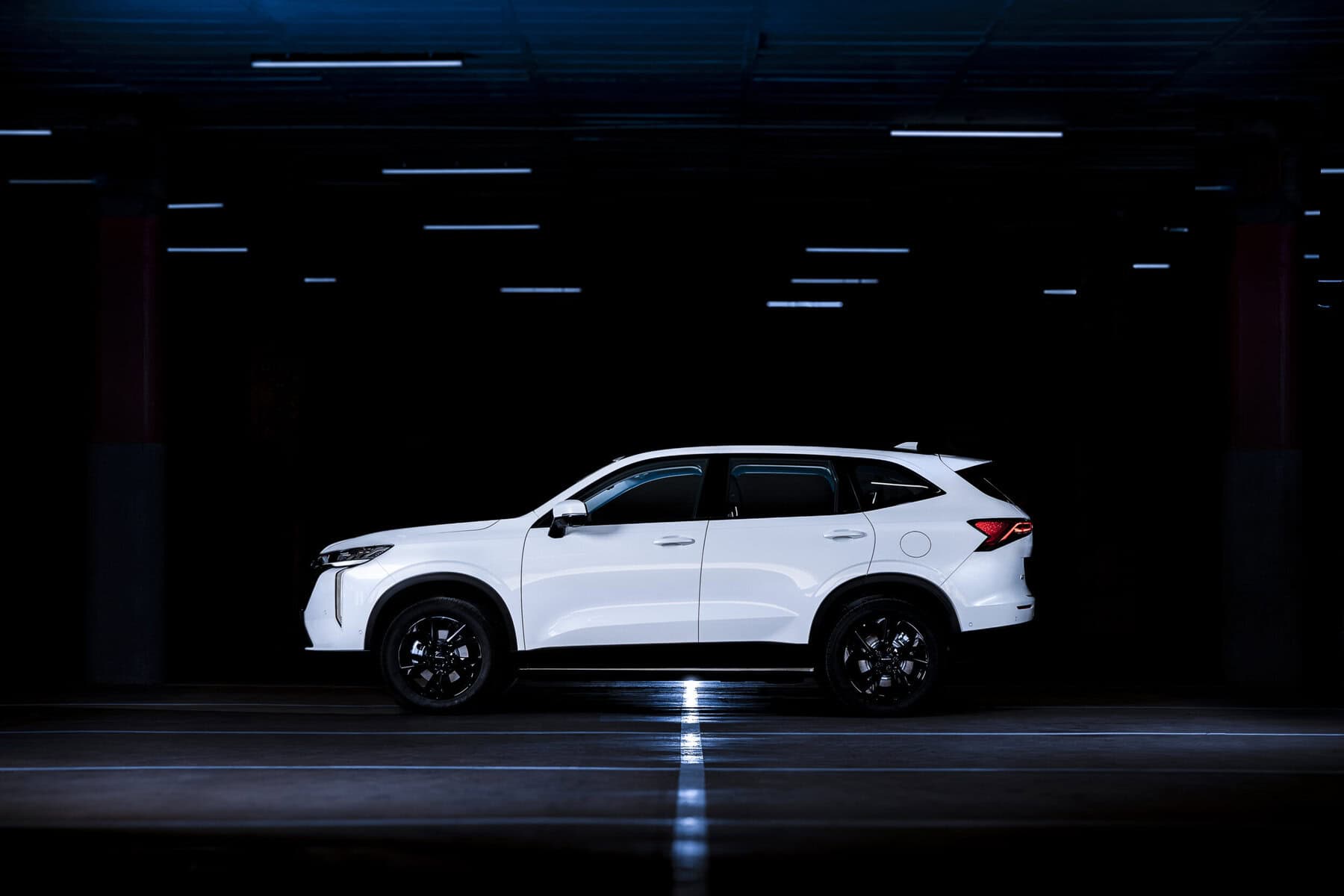
For a South African family, that practicality matters.
We want a car that can handle school runs during the week, work commitments during the day and a road trip to Durban, the bush or the Cape when the holidays arrive.
I could also see the appeal for a busy Joburg professional.
Anyone who regularly navigates traffic between Sandton, Midrand, Rosebank and home knows that comfort is not a luxury when you spend a significant part of your day behind the wheel.
The H6 PHEV feels well suited to that reality.
It offers space, a comfortable cabin and modern features without making the experience unnecessarily complicated.
But at a starting price of R699 900 for the Ultra Luxury 2WD PHEV, the question is whether the package justifies the investment.
That is where the plug-in hybrid technology becomes particularly interesting.
Petrol is expensive. Can a plug-in hybrid help?
One of the biggest frustrations for South African motorists is watching the fuel gauge drop, while the cost of filling up keeps climbing.
Every trip comes with a calculation, whether we admit it or not.
During my time with the H6 PHEV, I enjoyed being able to charge the battery and switch between driving modes.
I was able to charge from around 30% to full in under an hour using the charging setup available to me, although charging times will vary depending on the equipment and power supply.
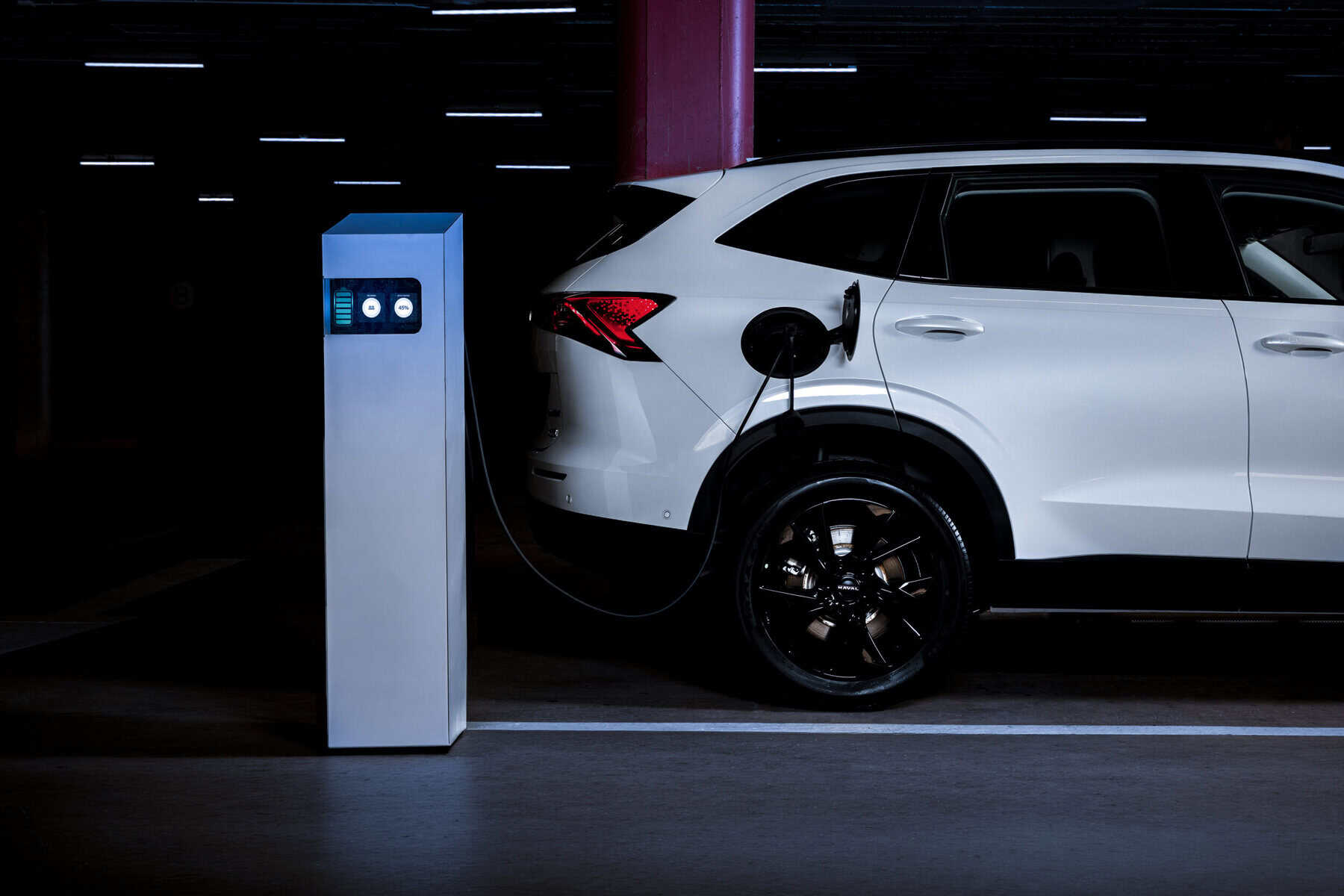
The appeal is simple: use electric power for shorter journeys where possible, then rely on the petrol engine when you need the flexibility of a conventional fuel stop.
The H6 PHEV has a claimed electric range of up to 106km under favourable conditions.
For someone whose daily commute falls within that range, regular charging could reduce petrol consumption considerably.
Actual results will depend on driving conditions, speed, terrain, air-conditioning use and how consistently the battery is charged.
And this is where I think South African consumers need to be practical.
A plug-in hybrid makes the most sense if you have access to convenient charging at home or work.
If you can charge regularly, the potential savings become more attractive. If you cannot, you may not realise the same benefits.
I would encourage anyone considering this vehicle to calculate their actual daily mileage, compare electricity and petrol costs, and consider the purchase price before making a decision.
A cheaper fill-up is great, but the real question is how much you save over the entire ownership period.
Comfort is important, but so is peace of mind
The H6 PHEV comes with a generous list of features, including a 14.6-inch touchscreen, wireless Apple CarPlay and Android Auto, panoramic sunroof, powered tailgate and a 540-degree camera.
These are not just showroom talking points. They can make a genuine difference to the driving experience, especially when you are dealing with tight parking spaces, long commutes and family travel.
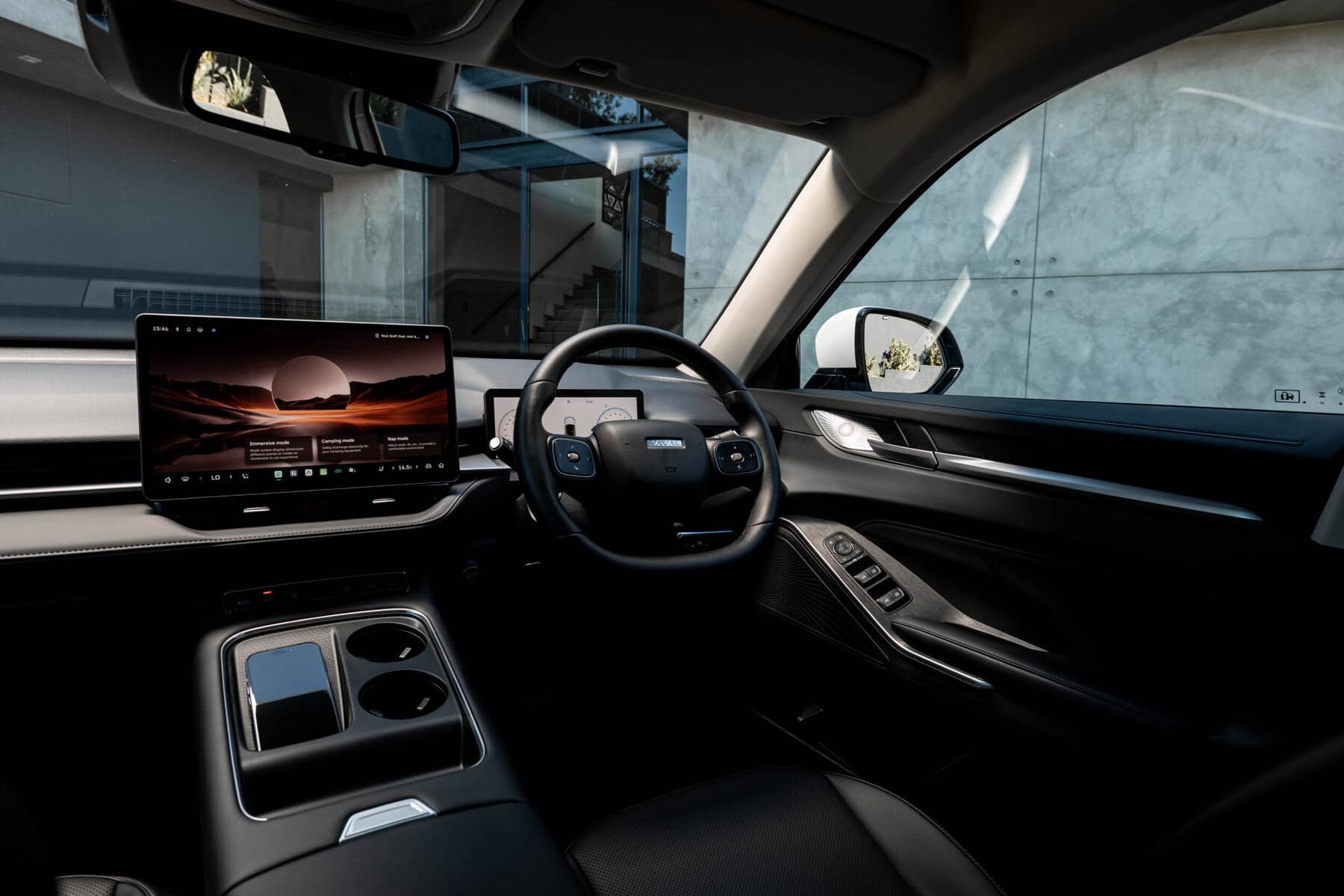
Driving modes switch from eco, to normal, to sport – you pick your poison depending on your mood.
Mine will always be sport but to be economical the best is eco, that way you can go two weeks without filling up any petrol.
The car also feels sturdy, no odd shaking or struggling up a hill. It has a nice launch to it at the robots with no stalling.
I enjoyed the comfortable cabin and the feeling that the vehicle had been designed around convenience.
It felt like a car I could use every day without constantly wishing for more space or a better-equipped interior.
If you’re going top of the range, you’re looking at leather with all the trimmings – and let’s not forget good boot space and safety for kids.
Still, South African consumers know the real cost of a car goes well beyond the purchase price. Insurance, replacement parts, tyre costs, servicing and resale value all matter.
The H6 PHEV has a listed seven-year/200 000km vehicle warranty, an eight-year/150 000km battery warranty and a seven-year/75 000km service plan.
I would also want to understand how the hybrid battery is covered, what happens after the warranty expires and how the vehicle’s plug-in hybrid system may affect long-term maintenance costs.
These are the questions that deserve as much attention as the touchscreen and sunroof.
Chinese cars are changing the conversation
For years, many buyers gravitated towards familiar badges because they represented a known quantity.
There was comfort in buying what your family had always bought, what your mechanic knew and what you believed would be easier to resell.
Chinese manufacturers are challenging that mindset by offering increasingly sophisticated vehicles with competitive specifications and technology.
I do not think South Africans should buy a Chinese car simply because it has more features for the price.
We shouldn’t dismiss it because of where it was manufactured.
At nearly R700 000, this is not a small purchase for the average household. It deserves careful consideration, regardless of the badge on the bonnet.



