


Polo production at the Kariega plant in the Eastern Cape has been assured way past the end of 2030.

Updated in 2021, the current sixth generation will be refreshed again in 2026, and have a first-time hybrid powertrain option. Image: Volkswagen


Volkswagen has indicated that the facelift planned for the Polo will see it adopt hybrid technology for the first time in its now 50-year history.
Second facelift means hybrid
Although supposed to be have been discontinued on the Old Continent last year, the combustion engine Polo, which has been on-sale since 2017, will receive its second update next year now that ongoing production has been approved.
Last year, Volkswagen Passenger Vehicle Brand CEO, Thomas Schäfer, said the relaxing of certain emissions regulations by the European Union has made it possible for Wolfsburg to continue with Polo sales as opposed to stopping them for good.
ALSO READ: Volkswagen Polo’s production run will last beyond 2030
Following the end of production at the Pamplona plant in Spain, assembly, since the middle of last year, has originated exclusively from the Kariega facility in the Eastern Cape, bar in China and Brazil where market specific versions are made.
“We will keep it fresh. The car runs well. It’s a good entry into the brand,” the former Volkswagen South Africa boss told Autocar last year.
Electrification has to happen
In the latest development, Volkswagen’s Head for Sales, Marketing and Aftersales, Martin Sander, admitted that while modifying the Polo’s MQB A0 platform to accommodate electrification will be expensive, “we need to do it”.
“In order to compete in Europe, we have to service the whole of Europe. Norway is 100 percent electric, but the south is very different,” Sander told Britain’s Auto Express.
“Somewhere like Italy is only 10 percent electric. And we still need to offer our customers the sorts of car they want to buy, no matter their region or preference.”
The recipient of its first update four years ago, the Polo’s tweaks are expected to mirror those of the Golf 8.5 and all-new T-Roc, though no details are known at present.
Confirmed by Schäfer in September this year as being set for an extended production lifecycle beyond 2030, Sander added that the hybrid process will be a “big job” as neither of the Polo’s current drivetrains, unlike its platform, are optimised for an electrical system.
He, however, added, “we can continue to build combustion-powered cars for as long as we need to, there is no limit. The existing [MQB-A0] platform is more than capable of that”.
A win for South Africa
A decision to the benefit of the Kariega plant, which will build the Tengo from 2027, the mentioned powertrain is likely to be the mild-hybrid eTSI rather than the plug-in hybrid eHybrid currently only offered on models from the Golf and up.
As is stands, this is purely speculative and will only be confirmed once the facelift model debuts next year.

At the same time, it remains to be seen whether this will also be applicable to the South African market model, or only to Europe.
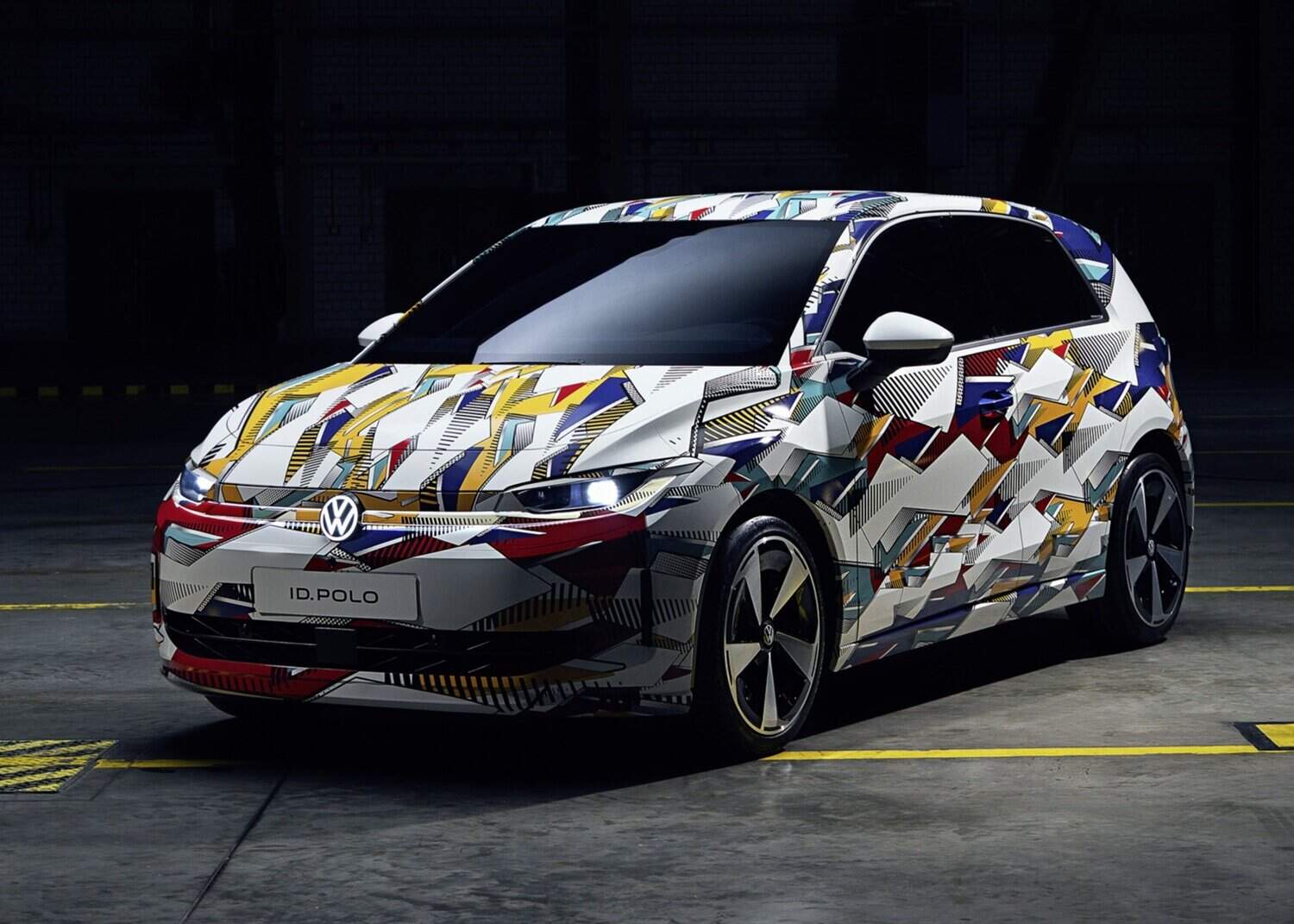
What is known is that the ID. Polo won’t be offered locally as an alternative to the combustion model buyers on the Old Continent will soon have the option of.
NOW READ: Volkswagen Polo local production hits two-million milestone
Support Local Journalism
Add The Citizen as a Preferred Source on Google and follow us on Google News to see more of our trusted reporting in Google News and Top Stories.

