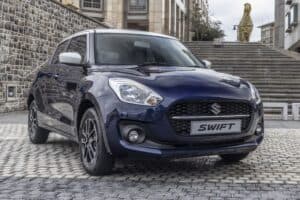
The Hyundai i10 is more safer for children than it is for adults.
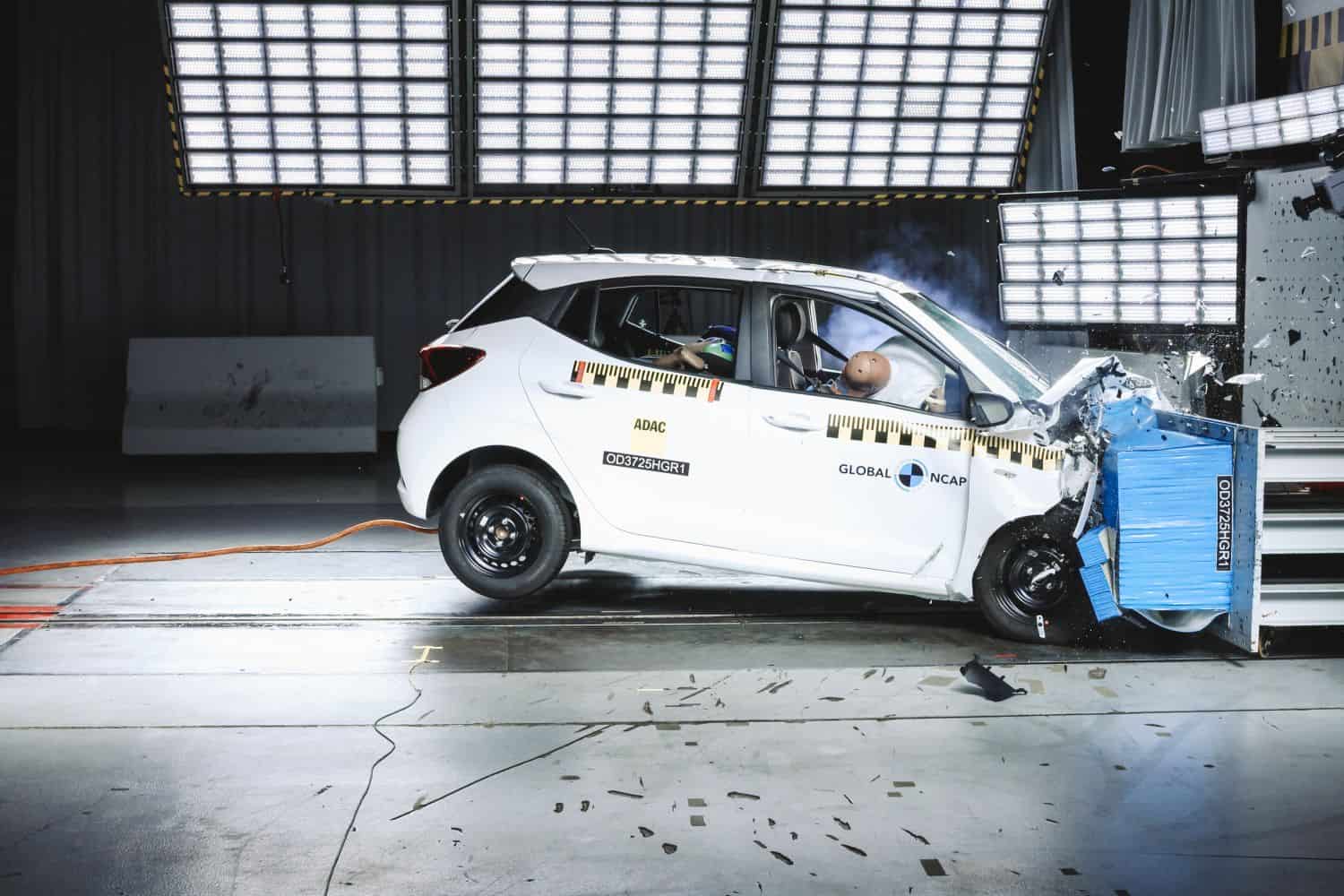
Hyundai Grandi10 frontal impact. Picture: Supplied


A crash test has revealed that one of Hyundai’s most loved models, the Grand i10, does not have safety features to protect adults in an accident.
The Global New Car Assessment Programme’s (NCAP) latest SaferCarsForAfrica test, conducted at a specialised facility in Germany, gave the i10 zero stars for adult occupant safety and three stars for child occupant protection.
Global NCAP is a UK-registered charity working internationally to democratise vehicle safety in support of the UN Global Goals. Global NCAP serves as a platform for co-operation among new car assessment programmes worldwide and promotes the adoption of the UN’s most important vehicle safety standards.
Hyundai Grand i10 safe for adults?
The Hyundai Grand i10 is one of the most affordable cars in South Africa, resulting in parents buying it for their children who are starting at universities as well as young professionals buying it due to its fuel efficiency.
The crash test started with a front offset deformable barrier test with the car carrying two adult occupants in the front and two children in baby car seats. The car was driving at 64 km per hour. NCAP revealed the car has standard safety equipment, which is driver and passenger frontal airbags, but none for side body or head protection and no Electronic Stability Control (ESC).
Due to its proven crash-prevention technology, ESC should be a non-negotiable in any modern vehicle, says the NCAP.
ALSO READ: Need a car after school? Look at used Hyundai Grand i10, Kia Picanto
No ESC in the Hyundai Grand i10
ESC is an active safety system in vehicles that prevents skidding and helps drivers maintain control during challenging situations like sudden swerves or slippery roads.
The system works by automatically applying brakes to individual wheels and/or reducing engine power to help the vehicle stay in the intended path. The feature is essential as it reduces the risk of accidents caused by a loss of control.
In most countries, such as the United States, Australia, Canada, and Japan, ESC is mandatory. However, not in South Africa, with some manufacturers including it voluntarily, but often not in cheaper models.
Crash test findings
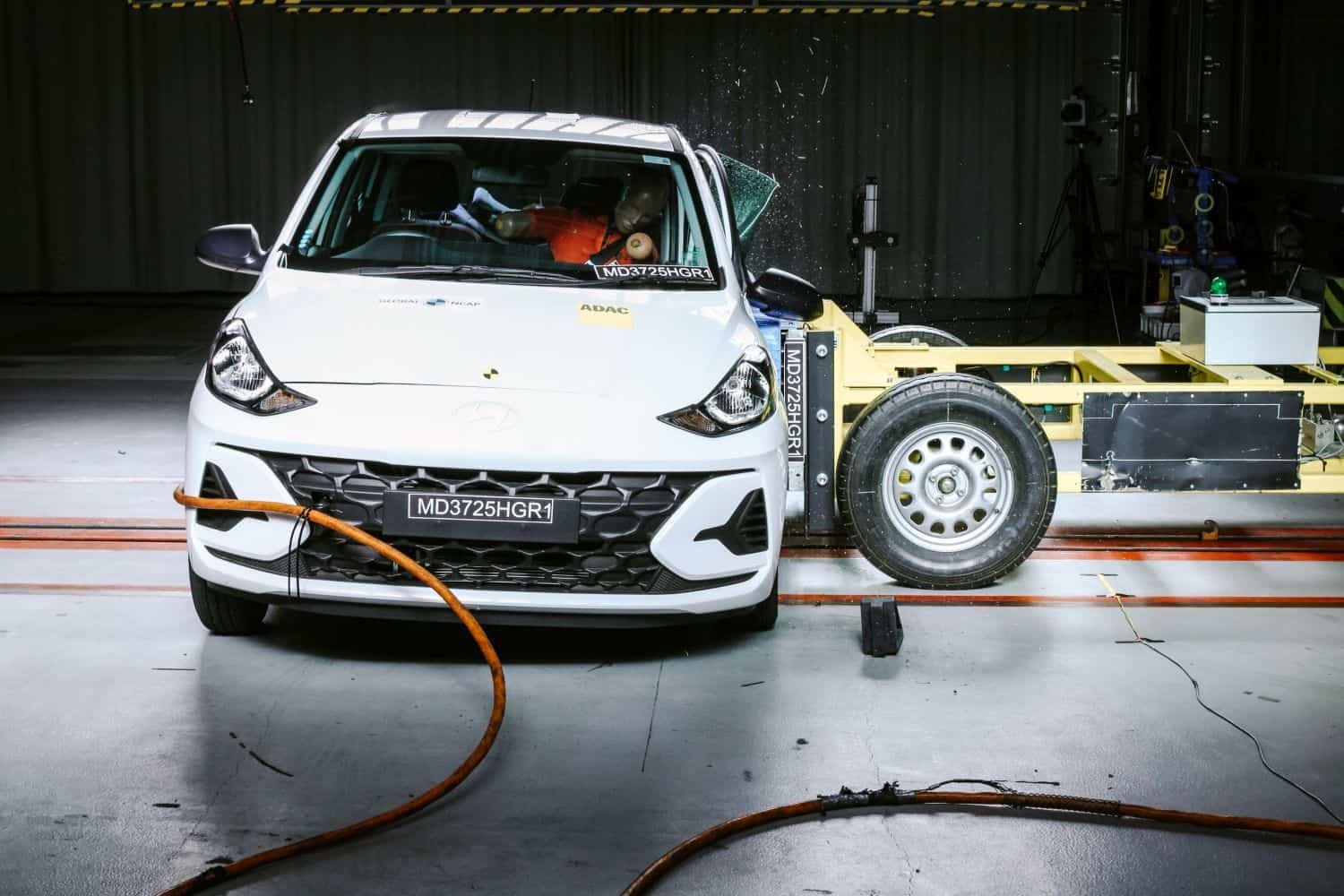
The crash test after the front offset deformable barrier test and the side mobile barrier test found the following:
- Concerning weak protection for the driver’s chest in frontal impact test.
- High risk of non-recoverable chest injuries, leading to strong probability of life-threatening injuries for the adult in the side impact test. Maximum allowed injury levels in a critical body region, such as the chest, were exceeded, resulting in zero points for adult occupant protection.
- In the frontal impact test, the bodyshell and footwell were rated as unstable and could not withstand further loading.
- No standard side body or head protection and Seat Belt Reminder (SBR) only for the driver.
- No standard ESC.
Richard Woods, chief executive officer of Global NCAP, said: “It is unacceptable to see the continued double standard on safety in low and middle-income countries. Democratising vehicle safety in Africa is a Global NCAP priority, and consumers deserve safer vehicles regardless of where in the world they live.”
Concerning outcome
Bobby Ramagwede, chief executive officer of the Automobile Association of South Africa, said the results are concerning, especially for a car as popular as the i10.
“These results are deeply concerning and highlight a continuing pattern in which vehicles sold in Africa do not meet the same safety standards applied in other regions. South African motorists deserve better,” he said.
“The Hyundai Grand i10’s zero-star rating reinforces the urgent need for manufacturers to commit to equal safety for all markets. This result underlines why Africa urgently needs stronger regulatory standards and greater manufacturer accountability. The AA believes no vehicle should be sold here without side protection systems and Electronic Stability Control as standard. Safety should never be optional, and certainly not reserved for markets outside Africa.”
The Citizen has reached out to Hyundai for a comment. It will be added once received.
NOW READ: New Nissan Magnite scores five stars in Global NCAP crash test
Support Local Journalism
Add The Citizen as a Preferred Source on Google and follow us on Google News to see more of our trusted reporting in Google News and Top Stories.