
Botswana activists said the amendment sends a clear message that LGBTIQ+ people are not criminals.
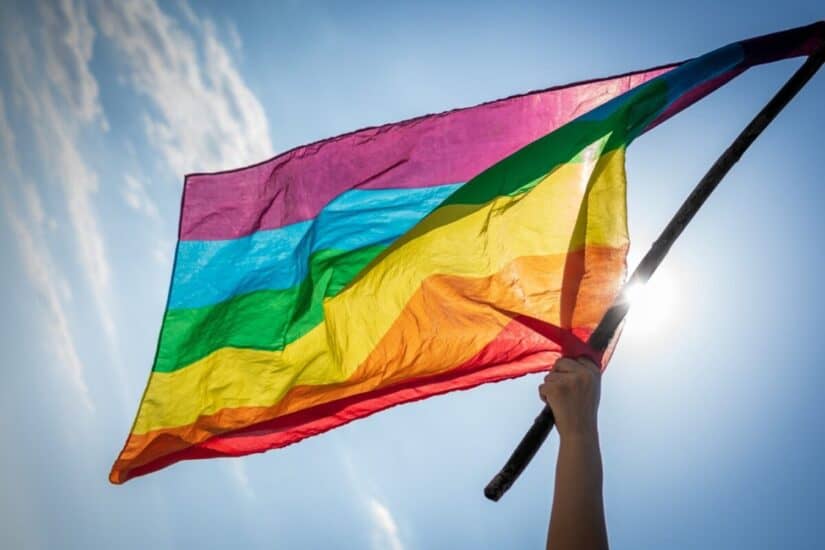
Picture: iStock


Botswana has officially removed the remaining colonial-era provisions that criminalised consensual same-sex intimacy, more than six years after the courts first struck them down.
Removing punishment
The government published the amendment in March, removing paragraphs (a) and (c) of section 164 of the Penal Code, which had covered so-called “unnatural offences”.
The change leaves only bestiality under that section, bringing the written law into line with the 2019 High Court ruling that decriminalised homosexuality and the 2021 Court of Appeal decision that upheld it.
The change was made by Attorney General and Law Revision Commissioner Dick Bayford, who found that criminalising consensual same-sex activity violated constitutional rights to dignity, liberty, privacy and equality.
LEGABIBO, a lesbian, gay, bisexual, transgender, intersex and queer (LGBTIQ+) group in Botswana, welcomed the move as a long-overdue reform.
The organisation said the old provisions had fuelled stigma, discrimination and fear, even after the courts had already ruled against them.
LEGABIBO said the amendment sends a clear message that LGBTIQ+ people are not criminals and that their relationships deserve protection, not punishment.
Same-sex marriage in Botswana
Meanwhile, a same-sex couple in the country is still challenging the country’s Marriage Act in court, arguing that it denies them the right to marry, with the case due back in the High Court in July.
Bonolo Selelo and Tsholofelo Kumile have taken their government to court, arguing that Botswana’s Marriage Act discriminates against them by failing to allow civil same-sex marriages.
According to reports, the couple said the law denies them equal protection and blocks access to the rights and responsibilities that come with marriage, including economic security, inheritance and the power to make medical decisions for one another.
Selelo and Kumile, who have been in a relationship since 2023, tried to register their marriage with the Department of Civil and National Registration in Gaborone in April.
Pushback
The department reportedly rejected the application. The Marriage Act does not expressly forbid same-sex marriages, so no arrests were made. Generally, it refers to married couples as “husband” and “wife”, thereby inherently excluding same-sex relationships.
The couple were advised to consider marrying in South Africa, where same-sex marriages are recognised.
They argued that marrying outside Botswana would deprive them of the full legal rights and protections associated with civil marriage in their home country. This includes inheritance rights, medical decision-making authority and spousal recognition.
The case has drawn opposition from several religious and traditional organisations. They have applied to join the High Court proceedings as respondents.
They argue that same-sex marriage conflicts with Botswana’s religious and cultural values. MamboOnline reported that supporters gathered outside the courtroom holding placards reading: “Say no to homosexuality”, “Save Botswana”, and “Botswana is a Christian nation”.
Speaking to YTV Botswana, Selelo said Batswana have always fought for love, pointing to the example of Seretse Khama and Ruth Khama, who faced opposition when they married in 1948. “We are two people just saying, ‘let us live our lives, let us get married’,” she said.
South Africa remains the only country in Africa where same-sex couples can legally marry, while around 30 African countries still criminalise same-sex intimacy.