
Young Engineers helps children build confidence, problem solving and coding skills with engineering projects that go beyond screen time.
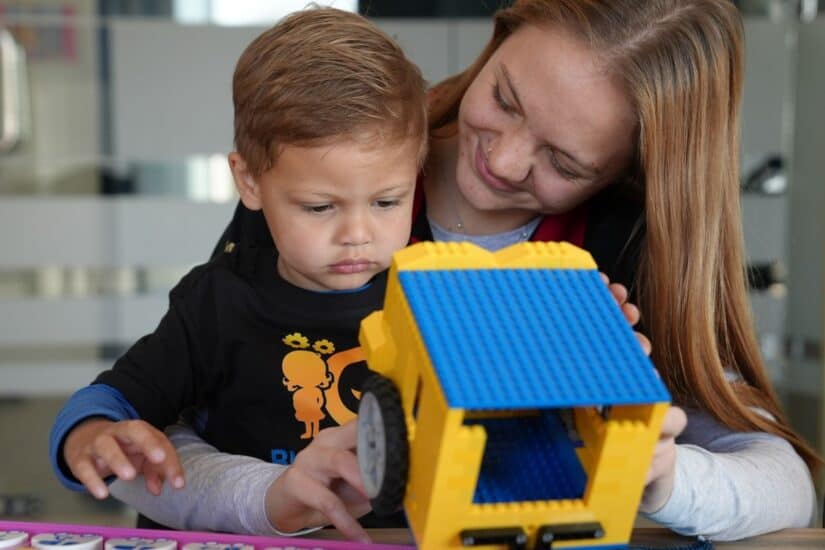
Learning engineering from a young age. Picture: Hein Kaiser


These days screen time trumps all. Not that it should, but it’s a consequence of the knowledge economy. Yet, the foundation of its function is a derivative not of itself, but of engineering; the horse that pulls the cart.
The Young Engineers programme in Benoni, and elsewhere in the country, helps young minds focus on three dimensional, real world problem solving and critical thinking skills. The course, which stretches from age four to 16, is a hands-on intellectual challenge to anyone, and for everyone, even when you have a million thumbs instead of digit agility.
Understanding how and why things work, said Elizma Smith of Young Engineers, and how to improve them, is the kind of thinking that feeds every field, from medicine to software development to mechanical engineering.
“Young Engineers is designed to build that foundation early, layer by layer, so that by the time a child reaches the screen, they bring something more valuable than just a pair of scrolling thumbs to it,” she said.
Smith said that she wants children to ask questions, not to simply accept status quo. “The ideal outcome for me,” she said, “is that generation next starts thinking about building on technology, how to improve it, or invent new solutions altogether.”
Not accepting the status quo
Young Engineers follows an internationally developed and recognised extra-mural curriculum that’s also intended to supplement what children are taught at school.
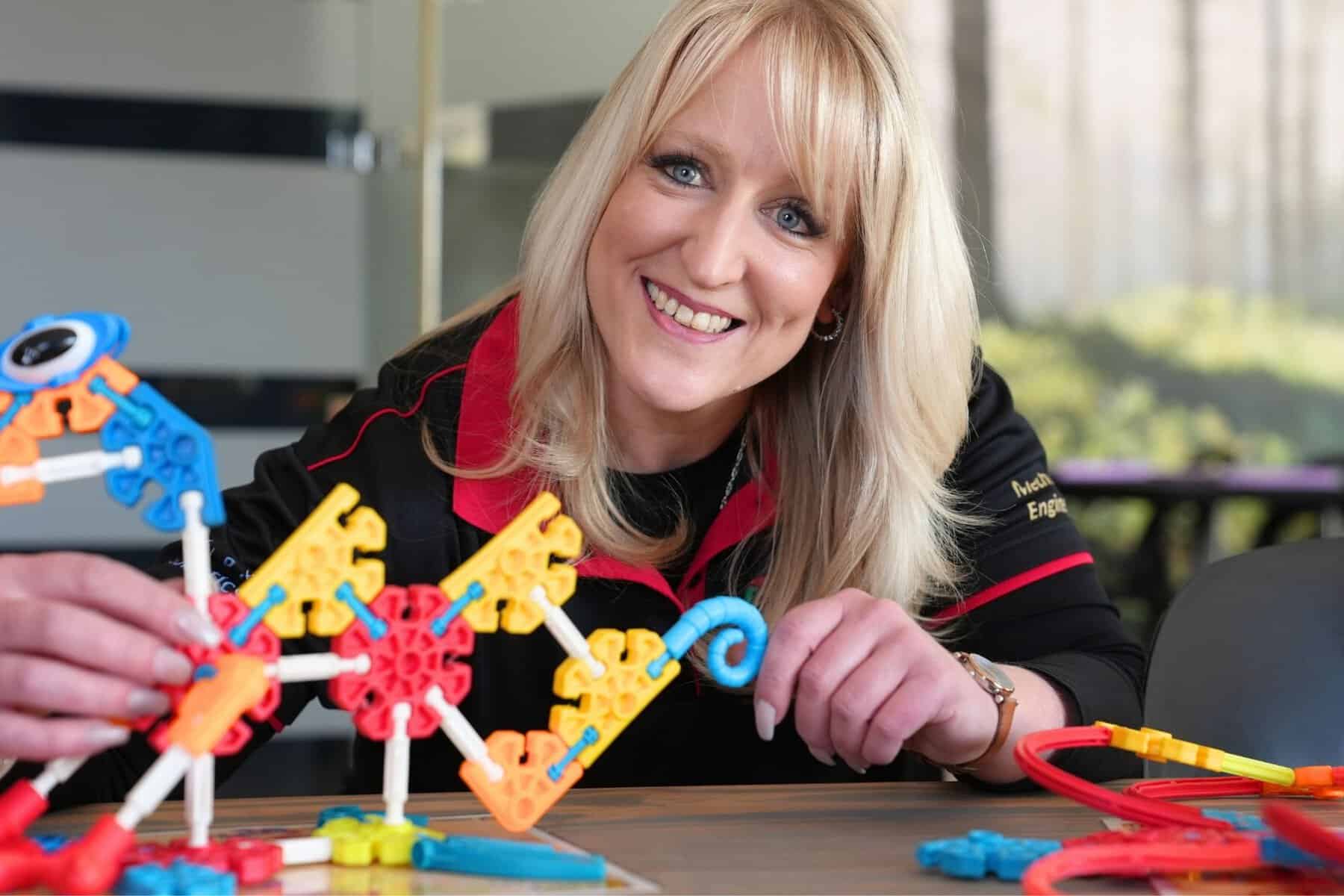
“We do practical, the schools do the theory,” Smith said. “If they learn something in the schools, then we can basically just help them to understand that better as well.”
The programme starts with K’Nex, a system of connectable pieces that are then assembled into various shapes and objects. “It has bubble eyes, it has wings, it has feet,” Smith said. “It has a lot of things that help the kids with their fine motor skills.”
From there the curriculum moves through mechanical engineering and into coding, both using Lego. Children build a working washing machine, wire in a robotic motor and write code on a tablet that makes the machine move via Bluetooth. Other projects include creating everything from operational, miniature cable cars, other vehicles, appliances and gadgetry.
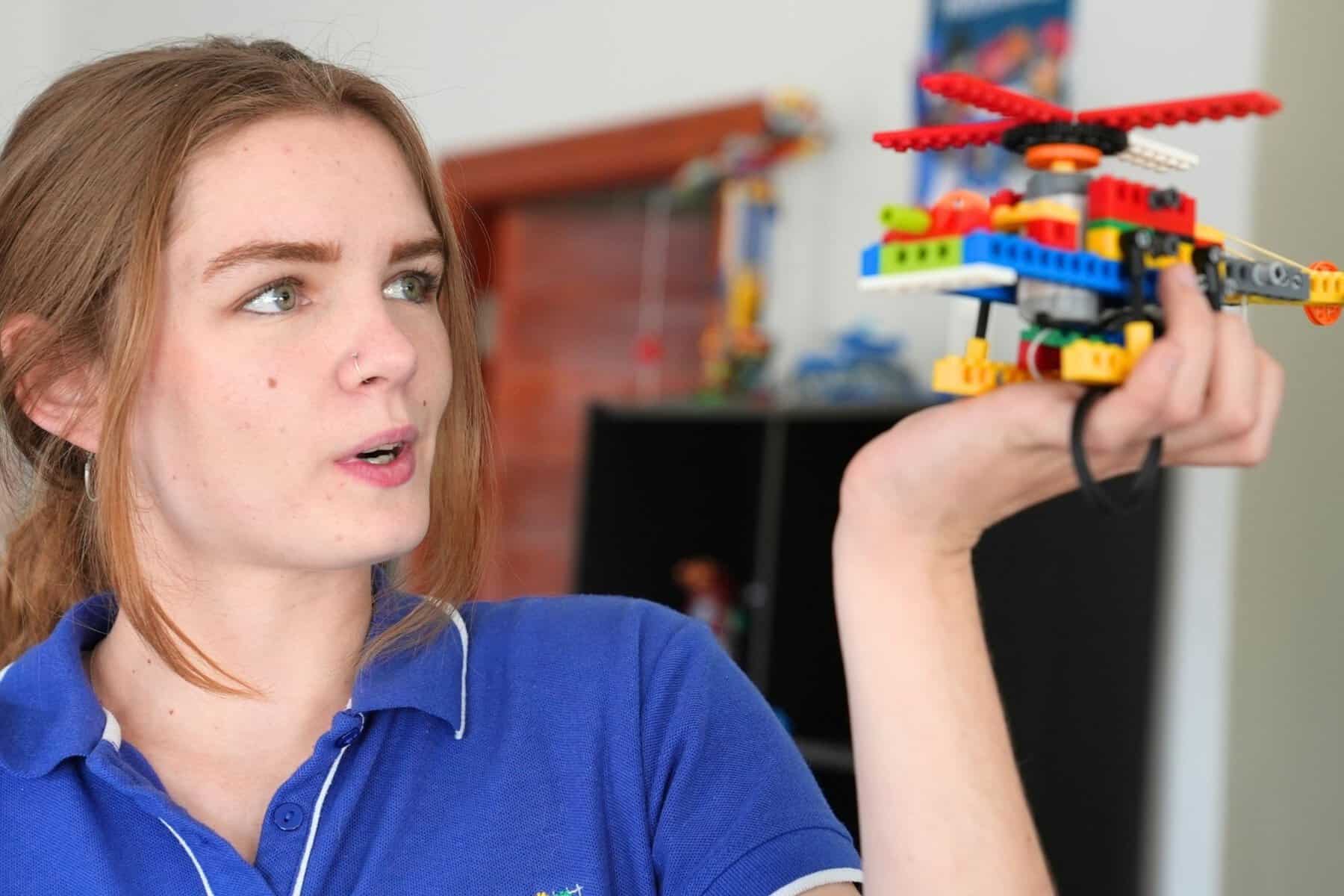
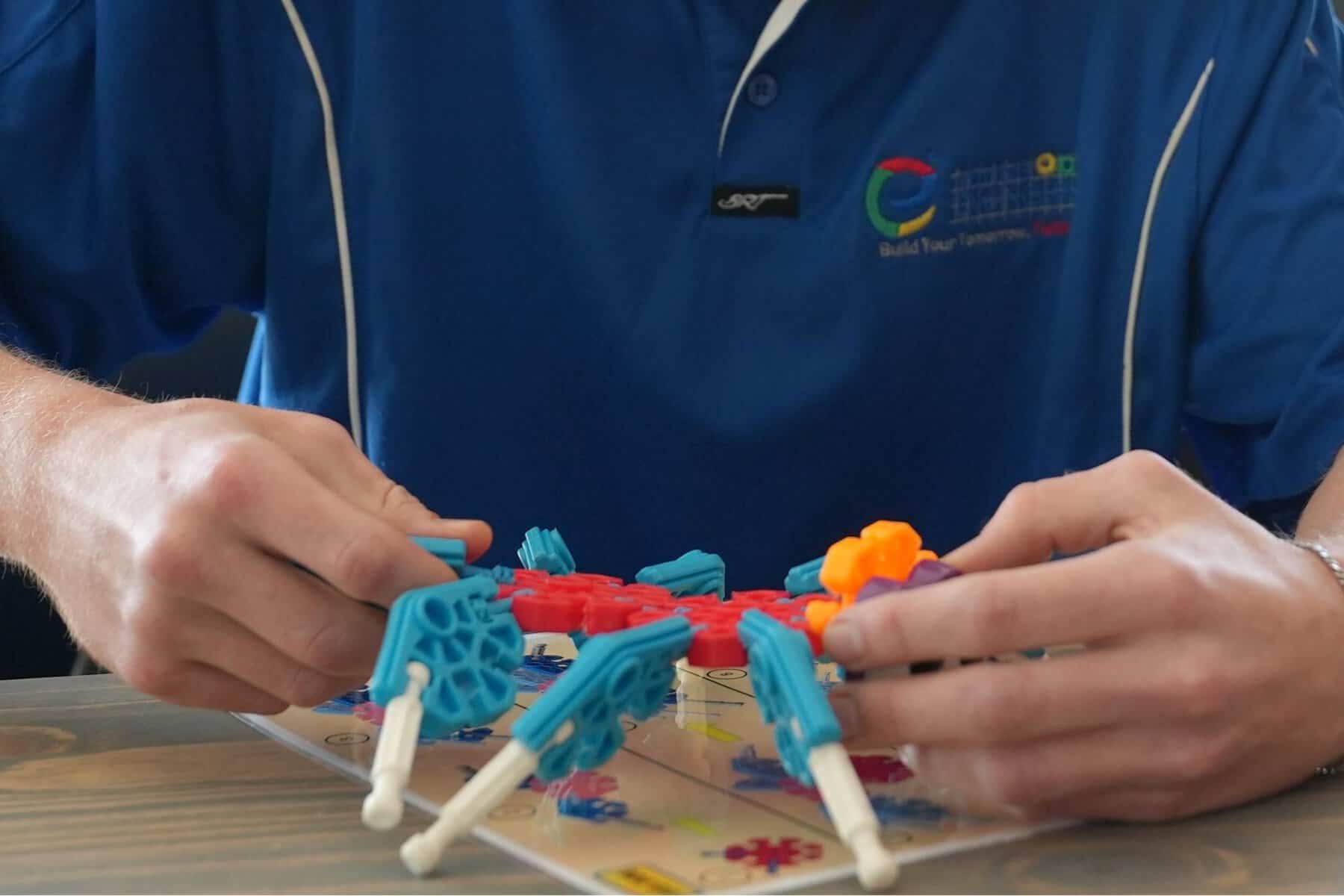
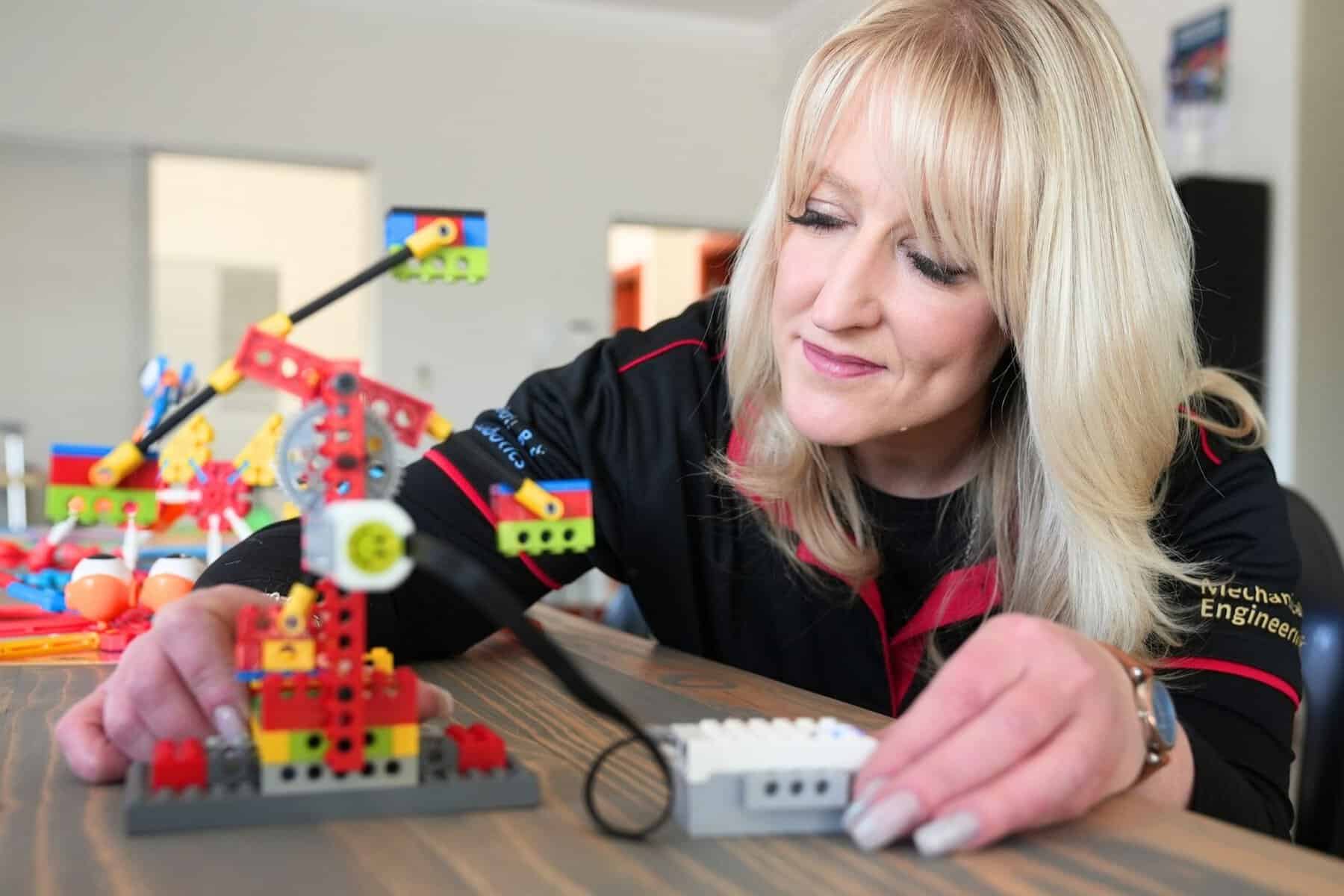
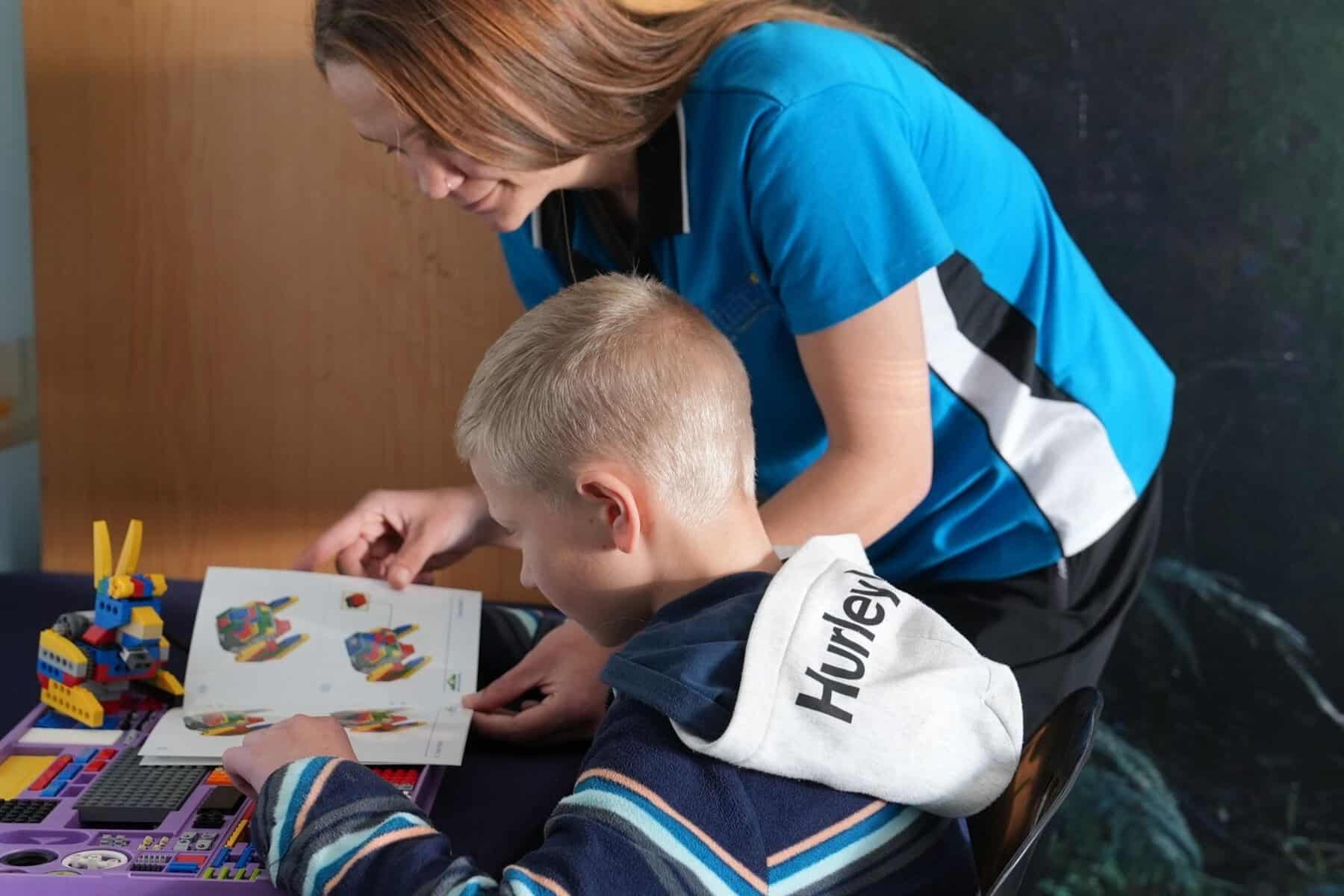
Nobody needs a head start. “We take all of the kids, one by one, and we see where their interests lie and what they like and dislike,” she said. “If you have never liked maths, then we help you make it fun.”
Everyone can have a go
Smith came to the programme as a parent. She discovered it during a holiday class, met the owner and knew immediately it was something special. “This is a brilliant thing for kids to do,” she recalled telling him. She joined the programme and eventually took it over.
What she witnesses in children over time keeps her going. “We always work with the kiddos from a point of ‘no, I don’t think I can do this’ to ‘look what I’ve done. I’ve done this all by myself. I want to do something bigger and better next time,'” Smith said.
One of her favourite signs that a class has gone well is when parents arrive to collect their children and the kids refuse to leave. “Working with kids is such a wonderful, fulfilling thing,” Smith said. “We absolutely love our kids that we work with.”
Smith also works with children with special needs across several schools. “We help them achieve fulfilment by accomplishing things in real time, sometimes at a pace much quicker than they do at school or at home,” she said.
A Golden Age initiative extends the programme into care homes, helping stroke survivors redevelop fine motor skills through practical engineering activities.