
Research suggests that ninety per cent of foundational brain development, Naidoo said, happens before the age of five.
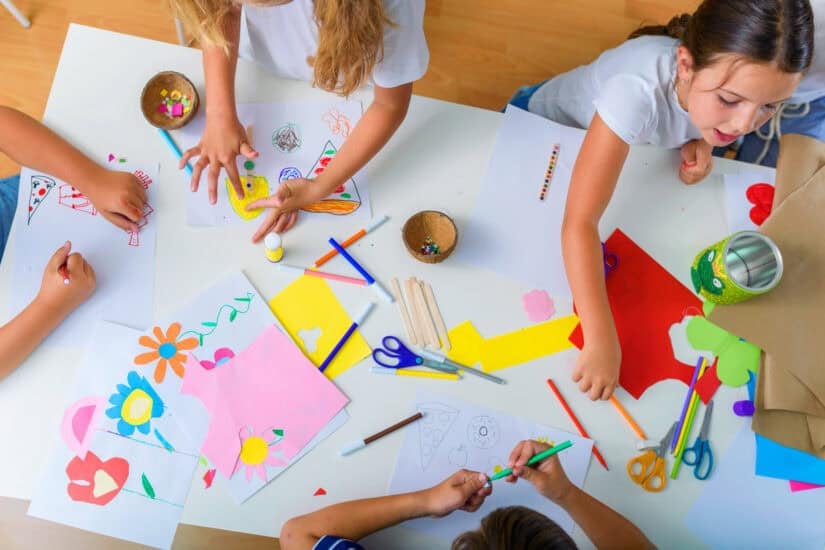
Kids don’t need fancy toys – Naidoo. Picture iStock


Nobody’s ever written the definitive book on parenting, and there’s never been anyone who could accurately encapsulate the innate fear all parents have from time to time. It’s about doing it right or failing and lacking the parenting skills that seem to come so easily to others. The anxiety of it all is real, and it’s a lifelong challenge.
There’s no self-help book or TV show or influencer that can tell you what’s right for your child, or for you, for that matter, because everyone’s circumstances are different.
Joburg mom Selina Naidoo said that when her husband left for work each morning during the early days of being a mom, it was just her and the baby. There was no nanny, no granny or mother-in-law to help. It was the two of them, and she was uncomfortable.
“I was afraid of being alone with my daughter because I didn’t think I’d be able to put her down for her naps,” she said. “That was my husband’s forte.”
Fear of being alone
So, she researched, prepped activities the night before, made play dough, set up sensory games and built a little classroom on the lounge floor. What she could not create was company, for her daughter or for herself.
The loneliness of early motherhood is more common than most new moms will admit in public, and it is also the reason Naidoo eventually created something to fill the gap she felt. Tiny Sprouts is her mommy-and-me programme based in Modderfontein, a developmental class for babies and toddlers that doubles as a weekly lifeline for the parents who bring them.
Research suggests that ninety per cent of foundational brain development, Naidoo said, happens before the age of five, and the pathways that shape how a child learns, manages emotions and eventually performs at school are largely formed before formal education begins. Her programme is not a golden ticket to successful parenting, but it’s a springboard to segue from the daily uphill.
“I would say it’s an opportunity once a week for you and your child to connect in a fun and meaningful way while learning some skills that will help with school readiness. If I can build confidence in parents and caregivers while making sure their children have fun while learning, I would consider it a job well done.”
Majority of foundational brain development happens before age 5
Every week, at Tiny Sprouts, moms talk about more than just raising kids. It’s mamahood in overdrive as they share parenting tips, new snack ideas, which store is having a sale, party venue ideas, and so much more, she said.
“In this fast-paced era, it’s easy to forget that we were created to be in community and not isolation.”
Part of the pleasure of the group, for Naidoo, is watching children say their first words and take their first steps at her workshops.
“One of the ways children learn is through what they see,” she said.
“When a friend in class is saying ‘mama’, they’re more likely to start talking too. We’ve seen kids take their first steps, say their first sentences and actually learn the concept of taking turns, which sets the foundation for sharing later on.”
South African parents carry considerable anxiety about early literacy and school readiness, and Naidoo said that adding to that pressure serves no one. She said children do not need expensive or elaborate toys to develop well.
“They learn through playing. They don’t need the fanciest toys with eight parts, 45 screws and 12 batteries and the special screwdriver that’s sold separately,” she said.
“Something as simple as pulling facecloths out of the holes in the laundry basket entertained my baby long enough for me to have a hot cup of coffee, while simultaneously teaching her basic fine motor skills, hand-eye coordination and cause and effect.”

Moms get to pause, sometimes
While some parents feel they do not have enough time in the day to add another activity to the endless roster of to-dos, Naidoo said the pressure to do more is largely unnecessary.
“Adults get bored with repetition, but it’s necessary for kids,” she said. “If you only have time to create two or three activities over the weekend for your child’s caretaker to do during the week, that’s totally fine. The more they repeat a task, the better they become at it, and those skills become stronger.”
Naidoo said that she’s still figuring it all out herself, working from home while raising her daughters. Some days she envies the women who get up, get dressed, and just leave for work, while on other days she remembers that many of those women want exactly what she has. And when she feels the doubt creep in, she reminds herself, she said.
“You are the best parent for your child. Slow down, take it all in, and be gentle with yourself just as you are with your precious little gift.”