The secretive nature of nuclear energy and the security around it naturally make the subject fodder for conspiracy theorists.
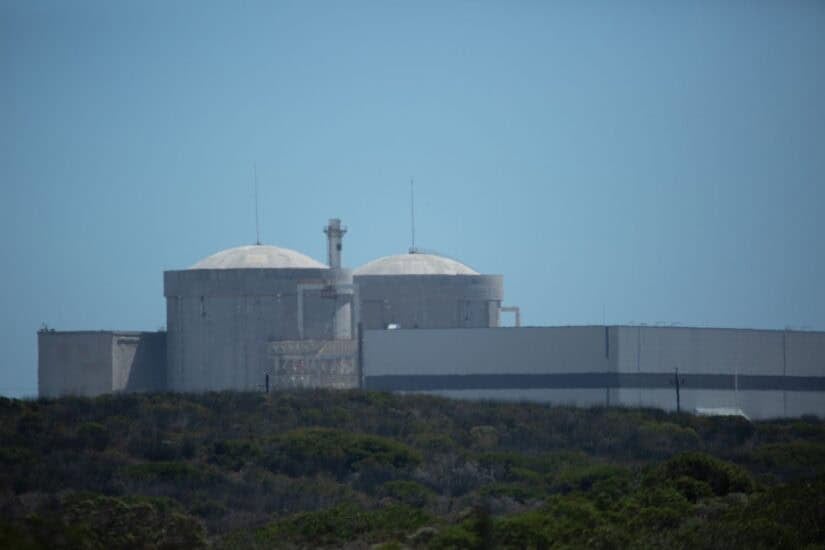
Koeberg nuclear power station on 28 February 2023 in Cape Town. Picture: Gallo Images/Misha Jordaan


Nuclear power has had bad press.
Apart from Hiroshima and Nagasaki, there was the Three Mile Island accident in the US in 1979, when a nuclear reactor core partially melted down… and Ukraine’s Chornobyl in 1986, when a reactor exploded so badly it caused a wide area to be contaminated with radiation for thousands of years.
Security around nuclear energy
The secretive nature of nuclear energy and the security around it naturally make the subject fodder for conspiracy theorists.
And there will no doubt be plenty of the “how-the-hell-can-we-believe-you” brigade reacting to Electricity Minister Kgosientsho Ramokgopa’s assurance that the Koeberg Nuclear Power Station is safe, following widespread reports of radioactive contamination during maintenance work.
‘No risk’
Ramokgopa said no radioactive material was released into the environment and there was no risk to nearby communities, so we won’t be seeing glow-in-the-dark manbuns or decaf lattes in Sea Point…
Nuclear energy’s overall safety record is far better than that of coal-fired electricity plants, for example, which cost thousands of lives a year in SA, because of the pollution they belch into the atmosphere. Yet, few people question those cooling towards high chimneys.
Give a dog a bad name, they say, and it might never get rid of it.