McKenzie draws a line on accountability, then authorises a taxpayer-funded junket while Bafana exited the knockout rounds and other codes scramble.
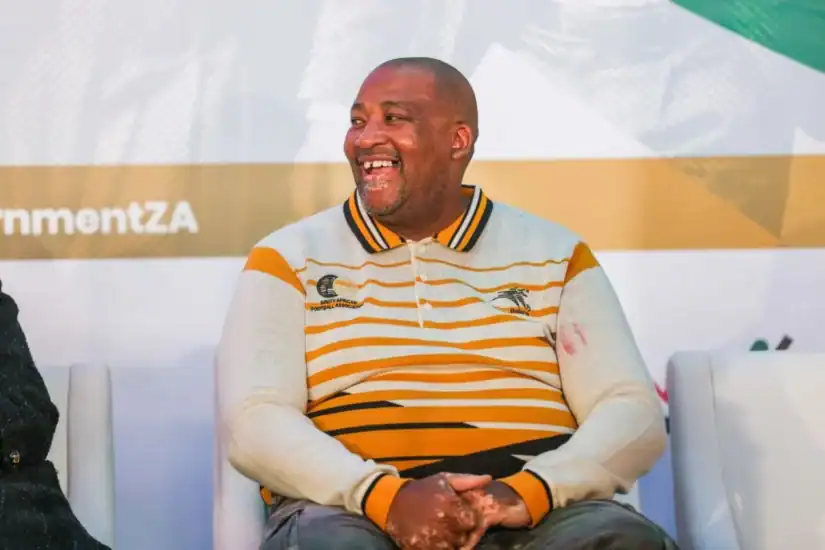
Minister of Sports, Arts and Culture, Gayton McKenzie. Picture: OJ Koloti/Gallo Images


When Sport, Arts and Culture Minister Gayton McKenzie refused to fund superfan Joyce “Mama Joy” Chauke’s trip to the Fifa World Cup in the US and Mexico, he appeared to be drawing a line on accountability.
That refusal suggested fiscal discipline and a willingness to prioritise athletes over spectacle. Yet, this changed when he authorised R31 million for a 151-person delegation of spectators.
McKenzie’s entourage enjoyed the tournament from the stands, funded by taxpayers, while other sporting codes were left scrambling for survival.
It boggles the mind to imagine how much more would have been spent had Bafana Bafana – who exited in the knockout rounds – reached the final.
The delegation’s presence was an expensive junket, revealing a government more interested in prestige than in the athletes who struggle to represent the country.
Athletes in other codes were left to plead and scrape for sponsorships.
Netball federations struggle for funds, Athletics SA has repeatedly raised alarms and the national hockey squad was forced to crowdfund before McKenzie belatedly handed them R3 million – a gesture that looked more like guilt money than strategic planning.
The contrast is striking: millions for spectators, crumbs for competitors.
Yesterday, McKenzie and his department faced parliament to give details on the qualifications and experience of each of the 151 delegates.
The MPs rightly wanted to know why were these people included? What did they actually do in the US? What are the costs attributable to each delegate? And are there any measurable benefits for the department or tourism?
The imbalance in funding is glaring. Soccer, rugby and cricket – the “big three” – enjoy government backing, sponsorships and media coverage.
But netball, hockey, athletics and other codes are left to fend for themselves. McKenzie’s delegation reinforces this bias, privileging prestige events over grassroots development.
The most troubling aspect is that the money went to spectators, not athletes. A sports department should enable participation, not subsidise tourism. Every rand spent on non-competing delegations is a rand denied to athletes who could elevate South Africa’s standing on the global stage.
McKenzie’s late concession to hockey shows a reactive, ad hoc approach. It was not part of a coherent funding strategy but a guilt-driven patch. This lack of foresight highlights the absence of a transparent framework for equitable distribution of resources.
McKenzie should provide a credible account, instead of saying he has the receipts. If he cannot, the R31 million will stand as a monument to skewed priorities. Parliament’s demand for transparency is not a political game; it is a constitutional duty to ensure that public money serves the public good.
South Africa’s sporting landscape is diverse and vibrant. Talent is everywhere. But talent without support is wasted potential.
McKenzie’s delegation should serve as a wakeup call: funding must be equitable, transparent and athlete-centred.
If government continues to privilege soccer, rugby and cricket while neglecting other codes, it risks alienating athletes and stunting the growth of sports that deserve recognition.
McKenzie’s World Cup entourage was not just a costly trip; it was a matter of skewed priorities. When he refused Mama Joy’s trip, he seemed to embody accountability. But his R31 million delegation has shattered that image.
Parliament must continue to demand accountability – and insist that future spending serves athletes, not spectators. Only then can South Africa’s sporting promise be matched by the support it deserves.