For citizens navigating Gauteng's streets each day, safety is not measured in percentages, charts or quarterly reports.
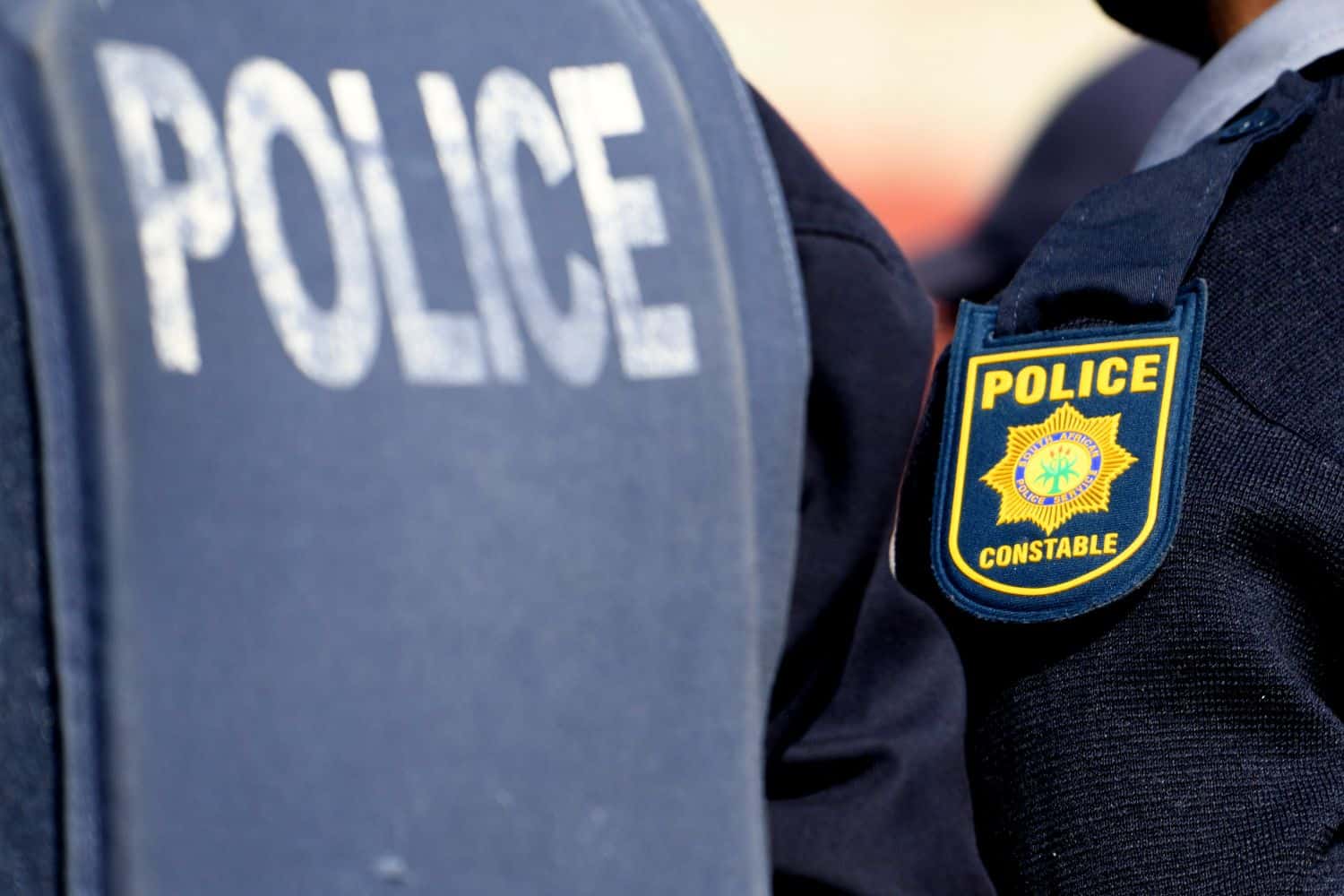
Public Order Police (POPs) members at the Tshwane Police Training Academy on 15 June 2024. Picture: Gallo Images/Frennie Shivambu


With the release of the crime statistics, one must ask, other than greed and selfishness, what are the contributing factors to the high and crippling effects of crime in South Africa?
Though it may sound like the easy answer, the truth is our socioeconomic state is a major factor – the lack of available resources, the lack of job opportunities and the rising costs of living – these are the pull factors to a life of crime.
While we may combat the perpetrators of crime, until we address the socioeconomic conditions we find ourselves in, the status quo will remain.
My sympathy on a human level should not be mistaken for tolerance for wrongdoing – if they kidnap, or even tried to, they should face the full might of the law.
I have my own views on mob justice, but something always bothers me in the carrying out of this form of justice.
It’s easy for everyone to come out of the woodwork in the confrontation of the criminals, but where was this choir as the very same criminals were flourishing in their activities?
The criminals in the communities are people known in the community. We all know who to go to when there has been a break-in at the local corner café, we know who might know who stole sis’ Betty’s car tyres last night while the rest of us slept.
Word on the street and the neighbourhood grapevine can give insights into which street corner delinquent might be responsible.
We desperately need a social system that will meet these offenders on a humane level and deter them from future and repeat crimes.
A 5.9% decline in contact crimes may be encouraging on paper. Yet statistics and lived reality are not always aligned.
For citizens navigating Gauteng’s streets each day, safety is not measured in percentages, charts or quarterly reports.
It is measured by whether one can walk to a taxi rank without fear, arrive home safely after dark, or allow a child to travel independently without anxiety.
We may joke that crime has declined because some of the police officers accused of it are now behind bars, but beneath that humour is a painful truth.
The numbers do not erase the stories of hijackings, robberies, assaults and disappearances that continue to shape how people experience their communities.
Crime statistics may tell us we are safer, but until citizens feel safer, trust the institutions meant to protect them and see criminals consistently held accountable, those figures will not be convincing.