
The Unisa case underscores the growing importance of independent, cross-border storytelling in a turbulent media era.
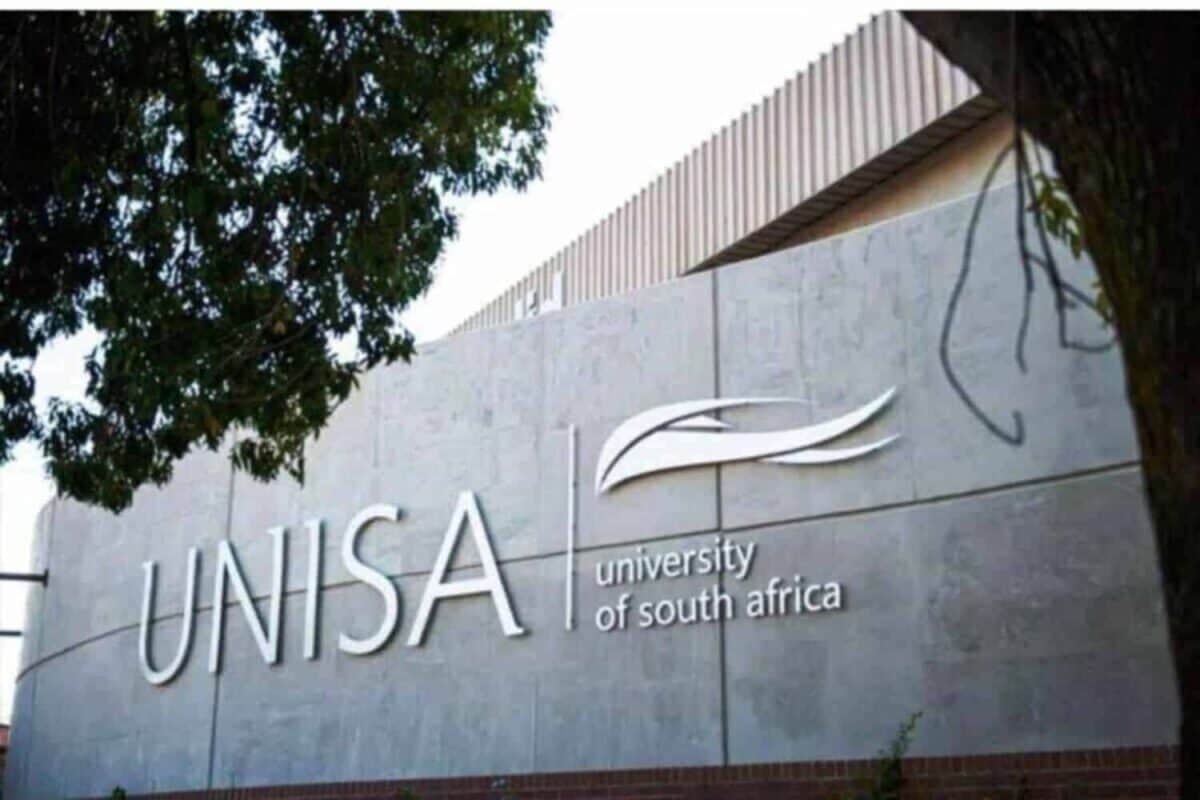
The University of South Africa (Unisa). Picture: Supplied


With punitive costs and a decisive high court rebuke, the University of South Africa’s (Unisa) leadership must now navigate intensified investigative reporting as ednews.africa and media allies push to expose governance failures and protect academic voices.
Ednews.africa is part of Higher Education Media Services, an independent media start-up.
The High Court in Pretoria last Thursday dismissed an urgent application by Unisa, led by vice-chancellor Prof Puleng LenkaBula, seeking to gag me as a journalist and the publication ednews.africa, marking a significant victory for media freedom during National Women’s Month in South Africa.
The court struck the matter from the roll for lack of urgency and ordered punitive costs against Unisa, finding no basis for the institution’s attempt to force the removal of articles and restrict further reporting.
The ruling protects a series of investigative reports published by ednews.africa detailing academic burnout, staff hospitalisations and deaths linked to Unisa’s workload crisis following sweeping staff cuts.
Several media houses have since reported on Unisa’s failed gagging attempt, highlighting the growing governance issues at Africa’s largest learning institution.
The publication, launched on 4 February, has rapidly become a notable new entrant in the African media landscape, amassing 454 subscribers and more than 100 000 views in six months, without advertising or external funding.
Despite its modest size, ednews.africa has broken major stories across the continent, from governance failures and campus unrest to leadership scandals and inspiring profiles of women in academia.
Leading South African outlets, including the Sunday Times, Mail & Guardian and IOL, have republished its reporting, as have media outlets in Kenya, Rwanda, Zambia, eSwatini and Malawi.
Some of the reports on ednews.africa have been credited by broadcast and online outlets when they followed up on breaking stories.
The attempted gag order follows earlier friction between universities and the publication.
Fort Hare threatened to personalise the arguments by taking to social media after multiple governance breaches reported in ednews.africa. It did not respond to media inquiries.
Last week, Fort Hare was the subject of a complaint to parliament after the student representative council filed a complaint and three council members resigned last month.
Cape Peninsula University of Technology (CPUT) lodged a complaint with the press ombud over governance reporting, but the ombud dismissed the case, affirming ednews.africa right to publish.
“Ednews.africa acted within the press code and was justified in reporting on governance breaches at CPUT. The complaint is dismissed.”
Last week, the university shut down amid violent unrest, echoing the publication’s reports on declining governance in the sector. Students at CPUT have asked for a probe into the university’s finances.
Media freedom organisations welcomed the high court’s decision.
Nicole Fritz of the Campaign for Free Expression said journalists must be able to investigate public power “without unjustified legal restraints”, while SA National Editors’ Forum‘s Reggy Moalusi condemned the attempt to silence me, calling it “yet another case where our courts are abused”.
According to Moxii Africa’s William Bird, the high court’s decision affirms a core democratic principle: journalists must be free to report on matters of public interest without intimidation or legal overreach.
Power Law Africa’s Michael Power and Tina Power labelled it a victory for media freedom.
For me and my three-person team, the ruling is both vindication and fuel. We will not be intimidated. Your stories are our stories.
Media is critical in any democracy and passion, not deep pockets, is what drives impactful journalism. I continue to face legal threats, including a defamation suit from a school principal accused of racism, but I remain resolute: money can buy words, but not the truth.
The Unisa case underscores the growing importance of independent, cross-border storytelling in a turbulent media era, where small, mission-driven outlets can still shape national debate and defend democratic accountability.
Dirk Hermann, spokesperson for trade union Solidarity, said this is a victory for the truth and for Unisa employees.
“Solidarity’s own survey among its members confirms every word that ednews.africa wrote. The truth must be published so that we can achieve a better Unisa as the outcome.”
Unisa did not comment on the verdict.