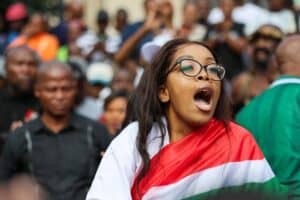
Presidential spokesperson Vincent Magwenya cautioned against the spread of misinformation.
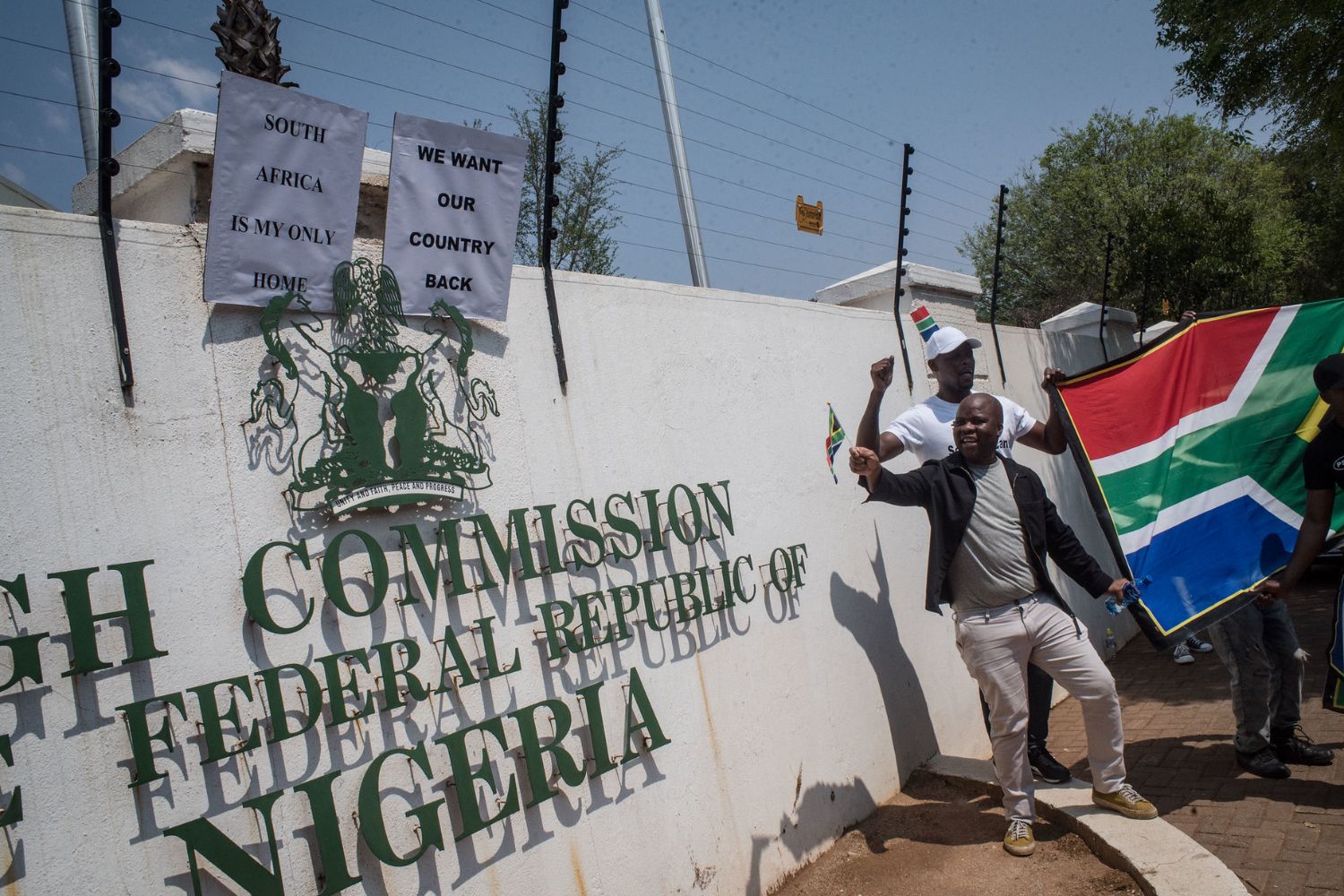
A small group of protesters marched from Church Square to the Nigerian embassy in Pretoria on 23 September 2020. Picture: Jacques Nelles/The Citizen


The Presidency has pushed back against what it describes as misleading reports following statements by a World Health Organization (WHO) official alleging that 10 African migrants lost their lives in xenophobia-related incidents.
South Africa has seen a steady rise in anti-migrant protests in recent weeks, with demonstrations reported in several parts of the country.
The unrest has prompted some African nations to begin repatriating their citizens, amid growing fears for their safety.
These developments have reignited accusations of xenophobia – particularly Afrophobia – as African migrants are said to be the primary targets.
WHO chief slams xenophobia amid anti-migrant protests
WHO Director-General, Dr Tedros Adhanom Ghebreyesus, publicly voiced concern over the situation in a post on X on Sunday, 14 June 2026.
He highlighted the scale and impact of the unrest, alleging that thousands of families had been displaced, and lives had been lost.
According to Ghebreyesus, at least five Ethiopians were killed in the violence, along with five Mozambicans in Mossel Bay.
“Thousands more are now fleeing for their lives,” he said.
The WHO official called for restraint and adherence to the rule of law, stressing that grievances should not be addressed through violence.
“South Africa deserves better. Africa deserves better. Stop the hate. Protect the vulnerable. Uphold our shared humanity,” his post further reads.
Presidency reacts
The Presidency responded on Monday, 15 June, expressing concern over what it described as misinformation in the WHO statement.
While acknowledging the tragic loss of life, presidential spokesperson Vincent Magwenya cautioned against the spread of inaccurate claims.
“The Presidency deeply regrets the tragic loss of life in these recent incidents, as one life lost is simply one too many.
“We extend our deepest sympathies to the families and communities affected,” the statement reads.
Magwenya confirmed that the Department of International Relations and Cooperation (Dirco) would engage with the WHO to ensure that the information being shared is accurate and reliable.
“Most notably, the WHO’s characterisation of the deaths of the Ethiopian nationals is, unfortunately, incorrect.
“The events that led to the deaths of these Ethiopian nationals fall within the realm of organised crime, as has already been publicly reported, and are being actively investigated by law enforcement agencies.”
Ethiopian and Mozambican deaths
South African authorities previously revealed that the deaths of five Ethiopian nationals stem from two separate incidents in Johannesburg CBD.
The fatal shootings, which occurred in late April 2026, are believed to be targeted hits rather than xenophobic violence.
Regarding the Mozambican nationals, Magwenya noted that investigations are still ongoing.
According to the South African Police Service (Saps), two Mozambican men – aged 27 and 43 – were killed during sporadic violence in the Asla Park informal settlement in Mossel Bay on 29 May.
During the unrest, approximately 55 shacks were reportedly set alight.
However, the Mozambican government has disputed these figures, claiming that five of its citizens were killed.
Government reaffirms law enforcement mandate
Magwenya confirmed that upcoming engagements with the WHO will clarify how the South African government is addressing immigration-related challenges.
He reiterated the government’s position on law enforcement after protesters vowed to take it upon themselves to arrest street vendors they believed to be undocumented.
“President [Cyril] Ramaphosa and the inter-ministerial committee on migration have been unequivocal in their stance: only duly authorized law enforcement officials have the mandate to enforce the law.”