An anonymous tip-off led to an undercover operation that uncovered several protected animals allegedly being kept in plastic crates.

Three Gauteng men accused of unlawfully possessing protected animals will appear in court again on 16 February 2027. Picture: iStock


The three Gauteng men who were found unlawfully in possession of protected species have been granted R10 000 bail after appearing in the Pretoria Magistrate’s Court on Thursday.
Schalk Derckson, 24, his brother Johannes Michael Derckson, 25, and Delron Matthew Lechon Abrahams, 21, were caught with three lion cubs, two tiger cubs, two bat-eared foxes and three caracals on 17 November.
They had allegedly been keeping them in unsafe plastic crates.
National Prosecuting Authority regional spokesperson Lumka Mahanjana said the Deckerson brothers from East Lynne and the Eersterust-based Abrahams each face a charge of contravening section 57(1) of the National Environmental Management Biodiversity Act and a charge of animal cruelty.
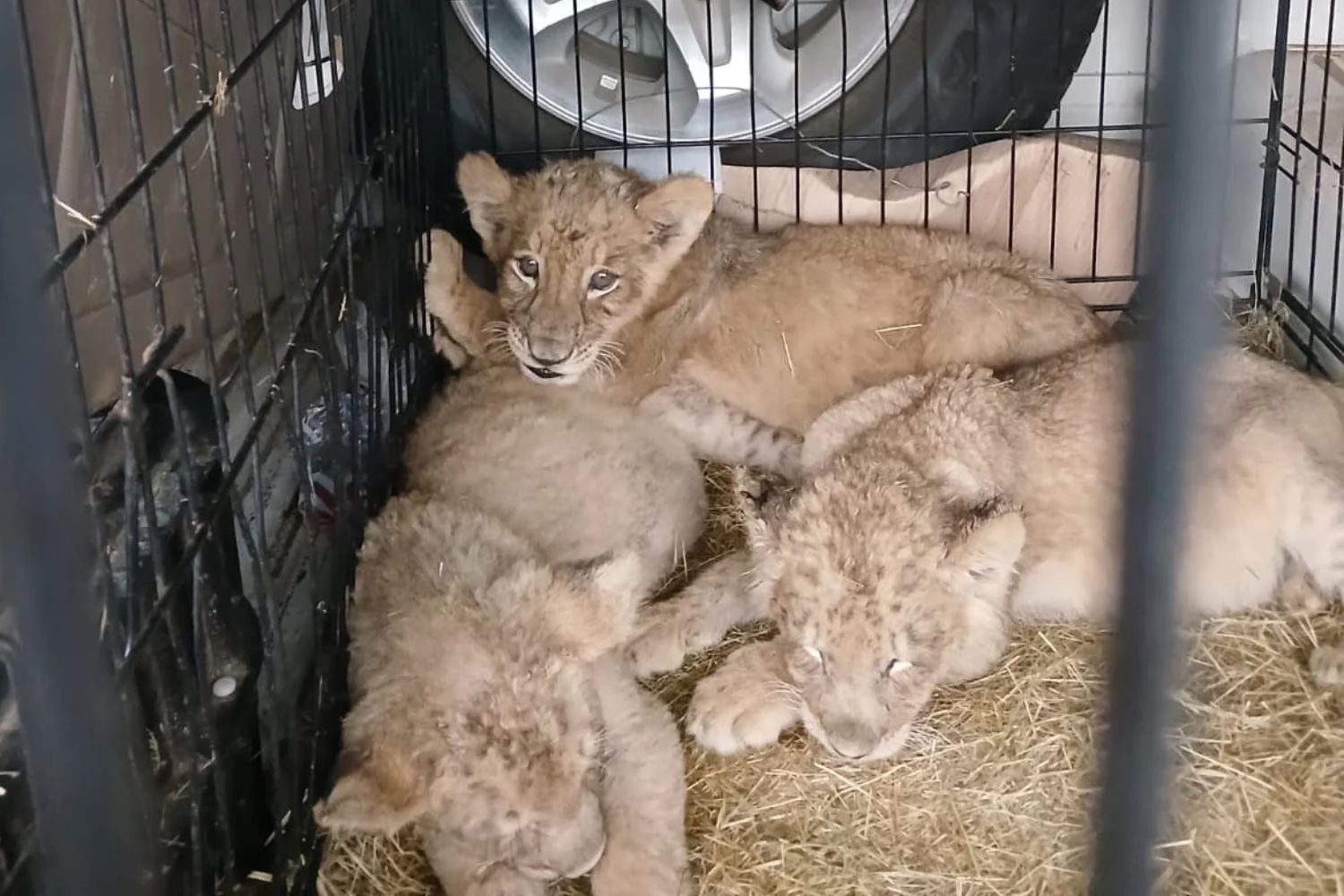
Trio nabbed after anonymous tip-off
Mahanjana said the men were arrested after an anonymous tip-off.
“This was discovered after an anonymous person contacted the National Department of Forestry, Fisheries and the Environment (DFFE) and alerted them about suspected smuggling of protected species,” Mahanjana said.
“The DFFE then applied for an undercover operation. In the spirit of the National Integrated Strategy to Combat Wildlife Trafficking, a multidisciplinary team conducted the operation, which resulted in the arrest of the three accused.”
Court grants accused R10 000 bail each
During their court appearance, the state did not oppose their release on bail but requested that appropriate conditions be imposed.
The court granted each accused R10 000 bail, on the condition that they surrender their passports to the investigating officer and report to their nearest police station once a week.
The case has been postponed to 16 February to allow for further investigations.
Following the men’s arrest, police spokesperson Colonel Mavela Masondo confirmed that the animals were confiscated and handed over to the relevant conservation authorities.
“The animals will undergo thorough veterinary assessments to establish their condition and determine any specialised care they may require,” Masondo said.
“Thereafter, arrangements will be made for them to be accommodated at an appropriate wildlife conservation facility or place of safety.”