



'They are not voting for the president of this country. They are voting for service delivery.'
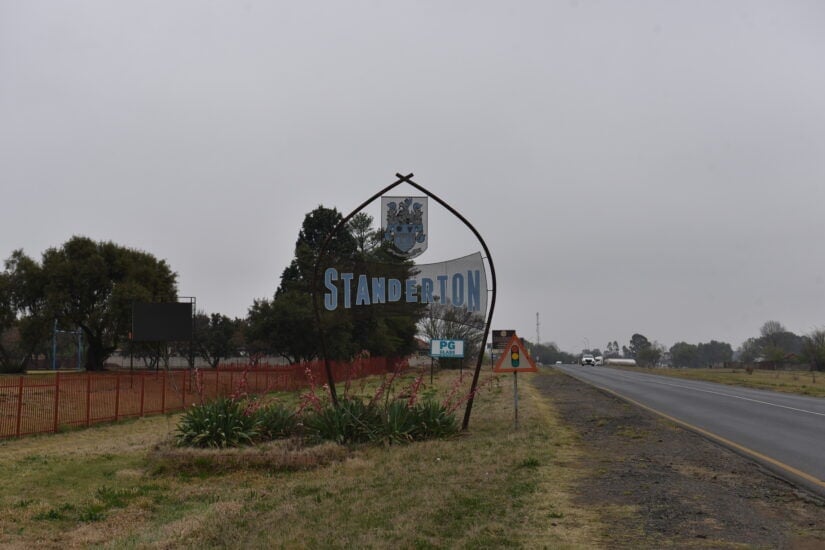


A coalition government could be on the cards in Lekwa Local Municipality as opposition parties and newly formed political movements work towards unseating the ANC-EFF coalition in the upcoming municipal elections.
A source close to the developments told The Citizen that the Independent Lekwa Party (ILP), DA and the newly launched Lekwa Liberation Movement (LLM), led by activist Collen Sikhakhane, were working on a strategy to take control of the Mpumalanga municipality.
In 2021, the Lekwa Community Forum, EFF, DA and smaller parties formed a coalition that removed the ANC from power.

LIVE interactive map, latest news, multimedia and more!
View MapHowever, the political landscape changed when the EFF withdrew from the coalition and joined forces with the ANC, helping the party regain control of the municipality.
During a recent visit to the area, The Citizen spoke to representatives of the parties and movement seeking to challenge the governing coalition.
The trip is part of The Citizen‘s travels across the length and breadth of the country to explore the lives, struggles, successes and frustrations of everyday South Africans ahead of this year’s local government elections.
‘Can’t promise residents new roads or houses,’ only to work for residents
ILP president Corné Stoltz said his party was prepared to work with other political organisations after the elections, provided the interests of residents remained a priority.
“We are open to working with other political parties after the municipal elections, provided decisions are made in the interests of residents. We can’t promise residents new roads or houses. The only thing we will guarantee is that we will always act in the best interests of the community and the town,” he said.
Stoltz blamed Lekwa’s deteriorating service delivery on ageing and overstretched bulk infrastructure.
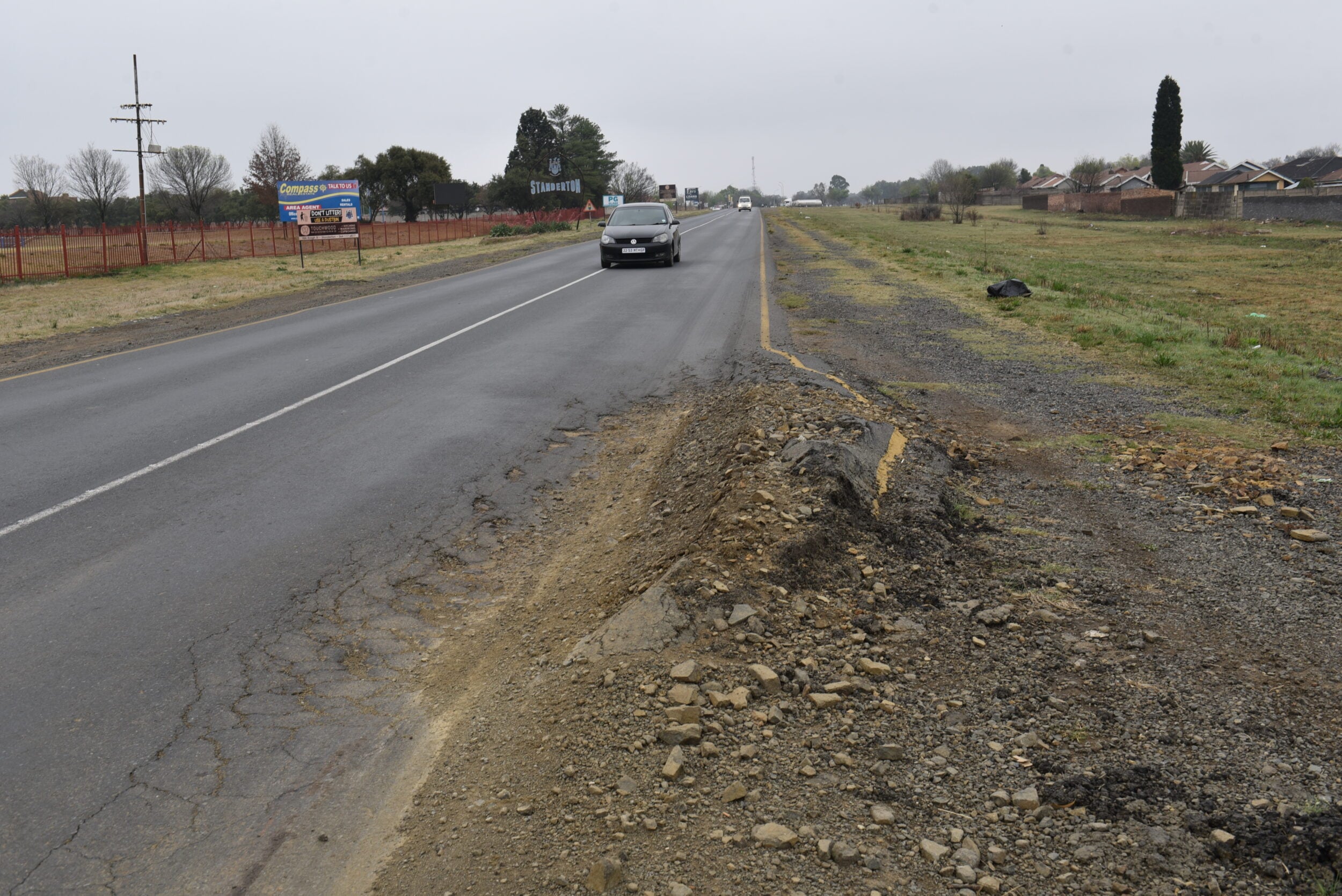
He said the water treatment plant, built in 1986 to serve approximately 50 000 people, was now expected to cater for a population of about 150 000.
Similarly, the sewage treatment plant, designed in 1946 to process approximately 9 000 kilolitres daily, was receiving about 27 000 kilolitres, while electricity infrastructure was struggling to meet demand, resulting in daily internal load shedding.
Budget objection
Stoltz also criticised the municipality’s 2026/27 budget, claiming it failed to allocate sufficient funding towards addressing bulk infrastructure challenges, despite ongoing sewage pollution and other service delivery problems.
He said he had objected to the budget, arguing that basic services should take priority over expenditure on items such as furniture and vehicles.
Halt on building in the area?
The ILP is also calling for development in Lekwa to be halted until the municipality’s bulk infrastructure can adequately support its growing population.
“You don’t build houses without a foundation. You don’t start with the walls; you start with the foundation. Your foundation is your bulk infrastructure,” Stoltz said.
He warned that infrastructure failures were discouraging investment, forcing businesses to close, and making the municipality less attractive to potential investors.
Local solutions needed
ILP deputy president Barbara Shepard echoed Stoltz’s concerns, saying the party was ready to govern and address the municipality’s worsening service delivery problems.
She said Lekwa’s challenges could not be resolved through national political agendas imposed on local government, but required leadership from a locally rooted party that understood residents’ needs.
Shepard said the water crisis had reached a point where residents could no longer safely rely on municipal tap water, forcing even struggling households to spend money on drinking water.
She warned that the situation was also placing businesses under pressure and discouraging investment that could create much-needed jobs.
She urged residents to consider the consequences of their voting decisions ahead of the municipal elections on 4 November.
“They are not voting for the president of this country. They are voting for service delivery,” she said.
Months without reliable water
DA councillor Sithi Silosini also called on residents to vote wisely, highlighting prolonged water shortages affecting several communities.
She said some households in Extension 8 had reportedly gone months without a reliable water supply.
Silosini said the refurbishment of the water treatment plant, initially expected to take approximately eight months, had dragged on for between two and three years.
“The crisis has particularly affected elderly residents, some of whom have to collect water from tankers using 20-litre buckets. Pensioners sometimes have to pay people to carry the heavy containers.
“We ideally would love for them to receive water in their taps and in the comfort of their homes,” she said.
Water tanker corruption
Silosini also alleged corruption linked to water tanker services, claiming prolonged water interruptions had created conditions in which tanker operators could benefit.
She said the DA was ready to take over the municipality after the elections.
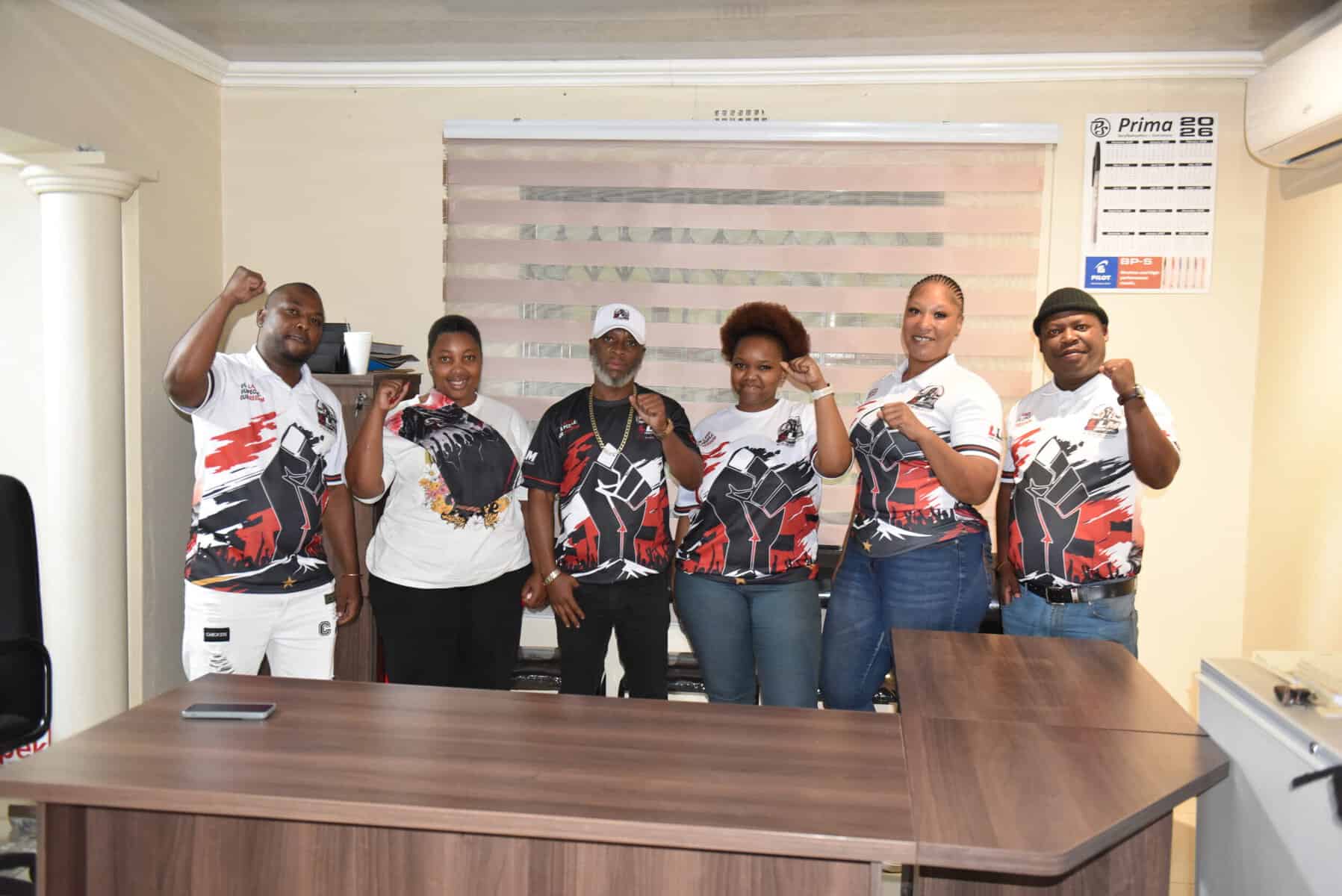
Meanwhile, LLM representative Collen Sikhakhane said the movement was also prepared to participate in a coalition government.
He said the party’s priorities included job creation, creating a favourable environment for local businesses and expanding economic opportunities.
“Young people and business owners indicated that they are willing to vote for us,” he said.