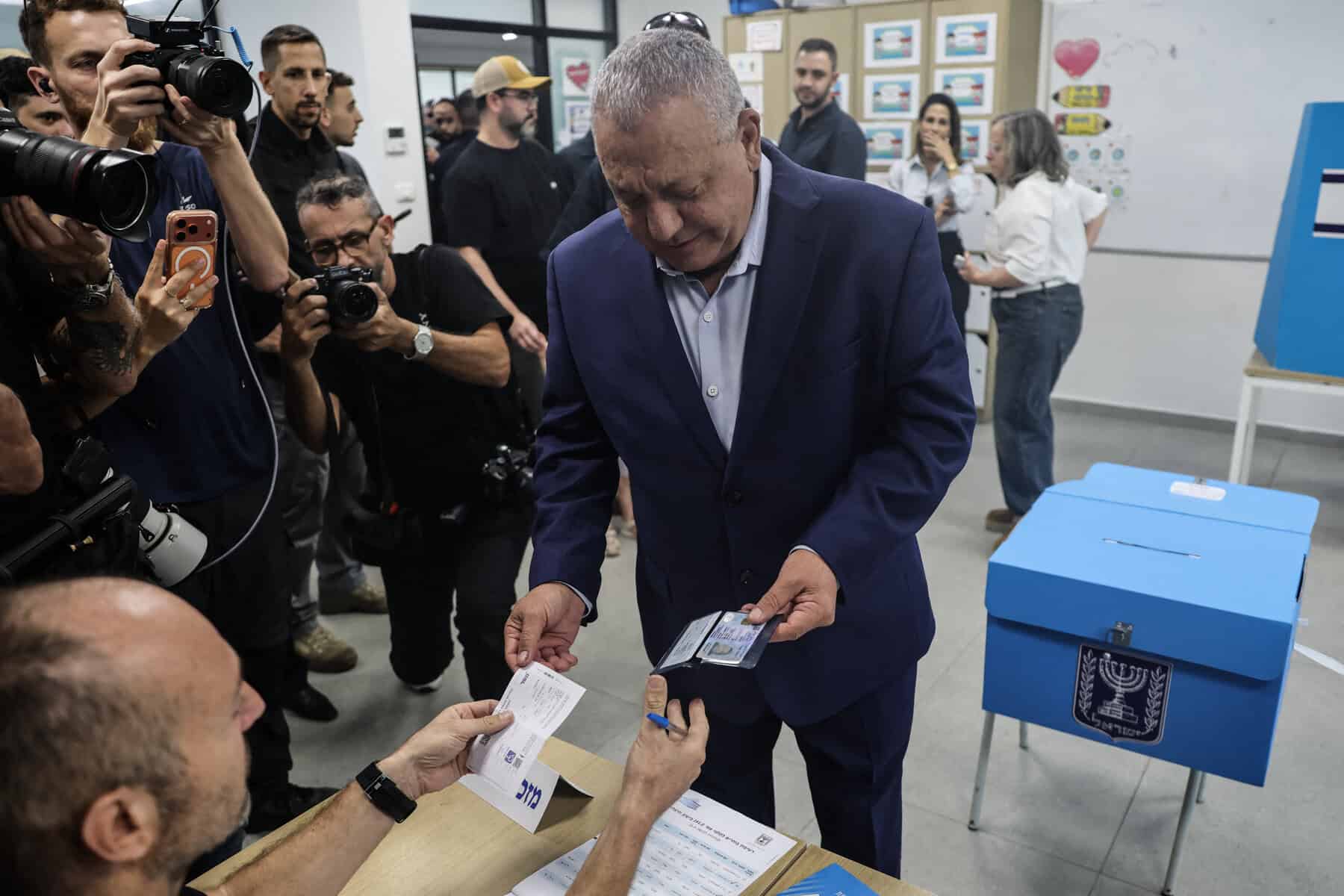



South Africans face mounting financial pressure as fuel costs reach unprecedented levels.
 Elections 2026
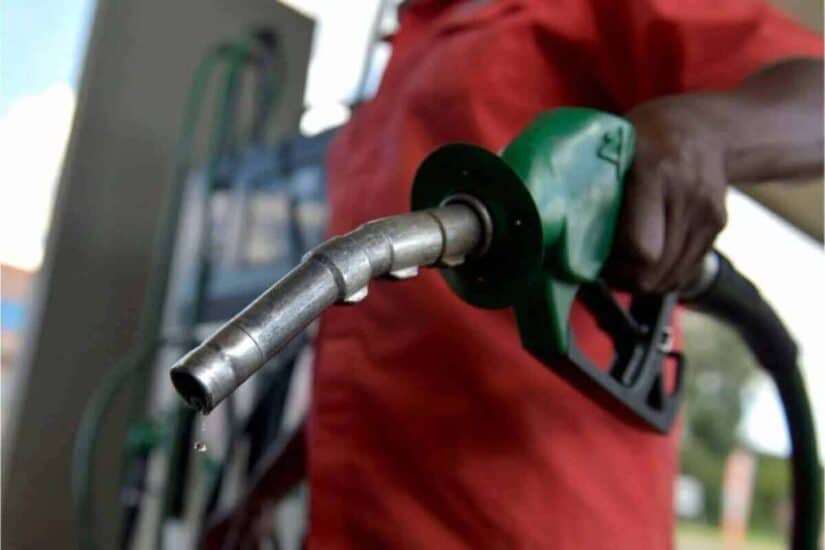
Record petrol prices have renewed questions about whether government did enough to shield households from rising expenses. Picture: iStock


As petrol prices reach record levels, an analyst has warned that the ANC had at least five years to prevent the cost-of-living crisis from unfolding.
Economic pressures increase
South African households are gearing up to battle renewed pressure from rising everyday costs as they enter the final stretch before the local government elections on 4 November 2026.
From Wednesday, 7 October 2026, fuel prices will rise to record levels in South Africa, with both petrol and diesel moving past the R30 per litre mark.

LIVE interactive map, latest news, multimedia and more!
View MapThe pressure has also extended to interest rates. In September, the South African Reserve Bank raised the repo rate by 25 basis points to 7.25%.
Meanwhile, households have also had to endure higher municipal service costs since July, with water charges up 12.5% and electricity charges up 8.63%.
Together, these increases mean that the cost of living crisis is getting worse, with affordability a critical issue as voters head towards the polls.
Not anything we have not seen before
For many South Africans, the cost of living crisis did not begin in 2026. The pressure has been building for years.
Speaking to The Citizen, political analyst Andre Duvenhage said the ANC has had a long time to address these issues.
“Conditions at local level have not improved since 2021. They have gotten worse,” said Duvenhage.
The upcoming local elections place extra emphasis on issues that affect households in day-to-day life. This can be used as a lens to assess government.
The CEO of Organisation Undoing Tax Abuse (Outa), Wayne Duvenage, said these issues will push people to the polls.
“By not voting, you are wasting a democratic opportunity,” Duvenage added.
While these hardships can motivate people to vote – because elections provide a chance to demand change – the public needs to remain careful when considering the government’s promises.
Call for government intervention
Amid the fuel price increase, the Motor Industry Staff Association (MISA), has also urged the government to restore the temporary General Fuel Levy reduction.
“Just a month ago, Misa warned that fuel prices were driving workers below the survival line, with transport and electricity already consuming 65.8% of a minimum wage before food is even bought, as confirmed by the Pietermaritzburg Economic Justice and Dignity Group. This latest increase lands on households with nothing left to absorb it,” it said.
Duvenhage warned that government will present the acceptance of this request as fulfilling its responsibility.
“If they give in to the calls for them to suspend the levy it will be seen as a form of campaigning, as we can see in their campaign so far,” Duvenhage stated.
He added that it would be interpreted as political parties demonstrating what they can do when votes are at stake.
He said that the rising costs issue is mostly indirect due to conflicts involving the United States, with the ANC looking to shift the blame.
“The government is using the political tensions between South Africa and the US as a scapegoat for the increase in the cost of living.”
What happens on 4 November may depend not only on how the government responds to this but on whether voters believe their ballot can influence what happens to these prices after the elections.