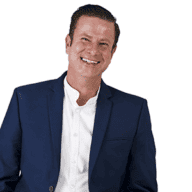
OUTA CEO Wayne Duvenage said government should be stepping away.
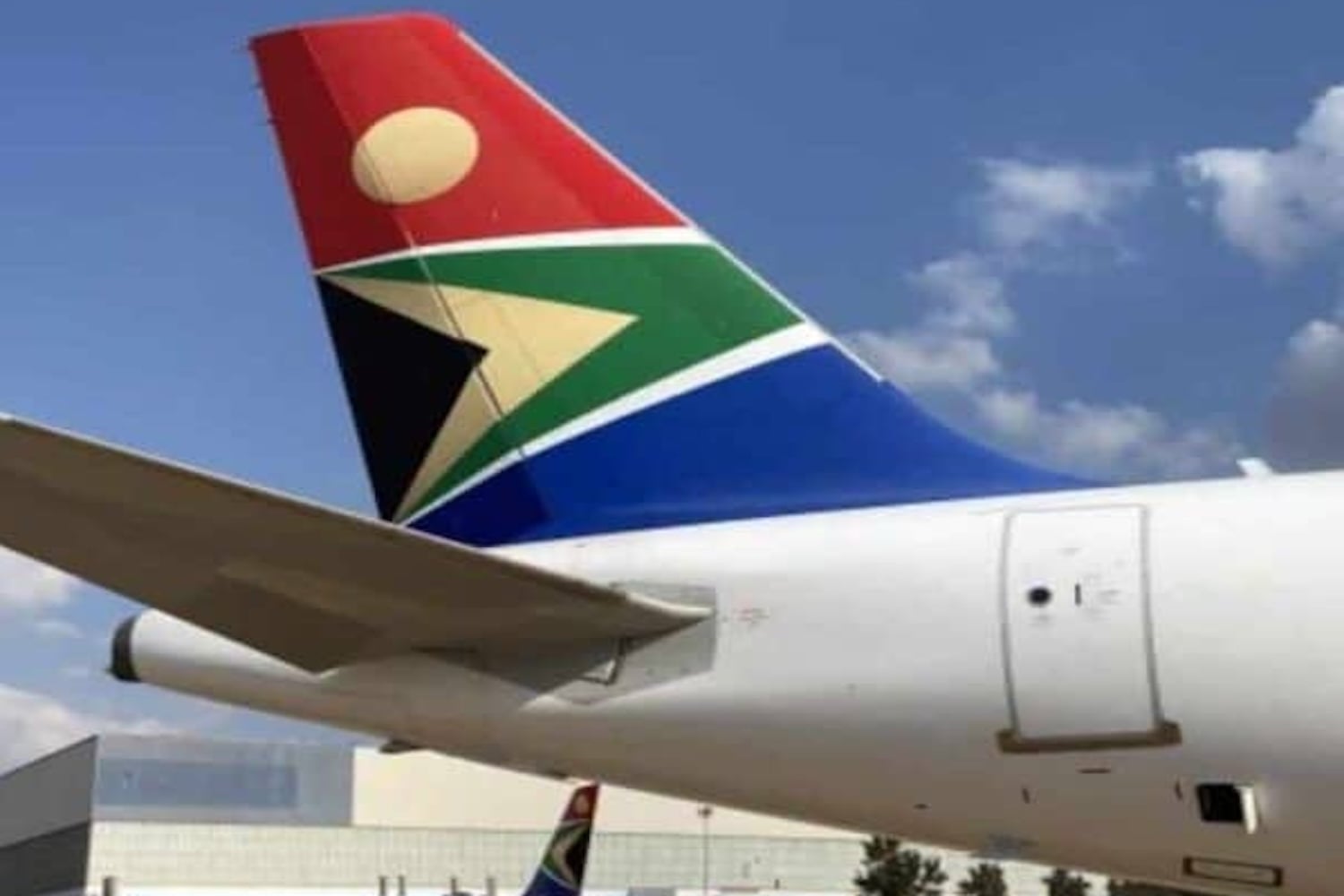
Picture: Moneyweb


South African Airways is heading back to the market for a strategic equity partner.
It comes more than two years after government scrapped the controversial Takatso deal and a subsequent Middle Eastern investor charm offensive failed to find the state-owned carrier a new backer.
Cabinet has approved a fresh process to identify a Strategic Equity Partner (SEP) for SAA. This is a return to its strategy mooted after the airline emerged from business rescue five years ago.
South Africans were told at the time that it should strengthen SAA’s balance sheet, provide access to capital and aviation expertise, support growth and reduce government’s future financial exposure to the airline.
SAA welcomed the new decision in a statement, and a spokesperson for the company said it was an important milestone for its long-term sustainability, financial resilience, and growth ambitions.
There is no indication yet of how much of the airline is for sale, what SAA is worth, how much an investor would be expected to inject or whether government is prepared to surrender control.
‘Step away, government’
OUTA CEO Wayne Duvenage said government should be stepping away.
“We trust this process will be transparent and that a majority stake will be sold to provide the new owner with a controlling interest in the airline,” he said. “This transaction must release the airline from the shackles of ongoing political interference.”
Aviation analyst and SA Flyer editor Guy Leitch said private capital had become essential for SAA. He warned that money alone would not solve its problems.
“This decision to seek a strategic equity partner is to be welcomed, even if it is belated in that it is very late in the day,” he said.
“The truth is that SAA has been losing money for the past couple of years and has probably lost a large amount so far this year, given the pressures of fuel and the Iranian conflict.”
Leitch said SAA was not able to raise further funds from its government shareholder.
“If it is to continue at all, it is going to have to seek an injection of capital from a strategic equity partner, and hopefully too, the injection of skilled leadership.”
He said SAA needed leadership capable of setting a stable course, without a return to the “revolving door CEOs” that characterised the airline before business rescue.
The new attempt comes five years after Takatso Consortium was selected as SAA’s preferred strategic equity partner following the airline’s exit from business rescue in April 2021.
SAA had entered business rescue in December 2019 following years of losses, dysfunctional boards, and mismanagement.
By then, more than R50 billion had been pumped into the airline through bailouts over the preceding decade.
Two years after Takatso flop
According to Public Enterprises Minister Pravin Gordhan at the time, Takatso was supposed to change that equation.
The consortium was selected to acquire a controlling 51% of SAA, with government retaining 49%, and was expected to inject R3 billion in working capital over two years.
Instead, the transaction dragged on for almost three years amid regulatory hurdles, secrecy surrounding aspects of the deal and questions over the airline’s valuation.
Gordhan finally pulled the plug in March 2024. A revised valuation had placed SAA’s business at R1 billion and its properties at R5.5 billion, substantially altering the basis on which the original transaction had been negotiated.
Then, within months of the Takatso collapse, SAA CEO John Lamola was purportedly canvassing potential Middle Eastern investment, including approaches involving Qatar and Qatar Airways. That charm offensive also failed to produce an equity partner, with Qatar Airways instead investing in Airlink.
Duvenage said the public must be able to scrutinise any eventual transaction to ensure SAA is properly valued and that the deal is in society’s interests.
Instead, the airline said that because the process was being led by the Department of Transport as shareholder, it would not provide further comment on related developments while the process is underway.
Duvenage rejected the prospect of another equity process taking place beyond public scrutiny.
“The transaction must be transparent, and the public must have oversight of the deal to ensure it is in the best interests of society and that the airline is valued properly,” he said.
“Government cannot say they will not provide comment or details while the process is underway.”