
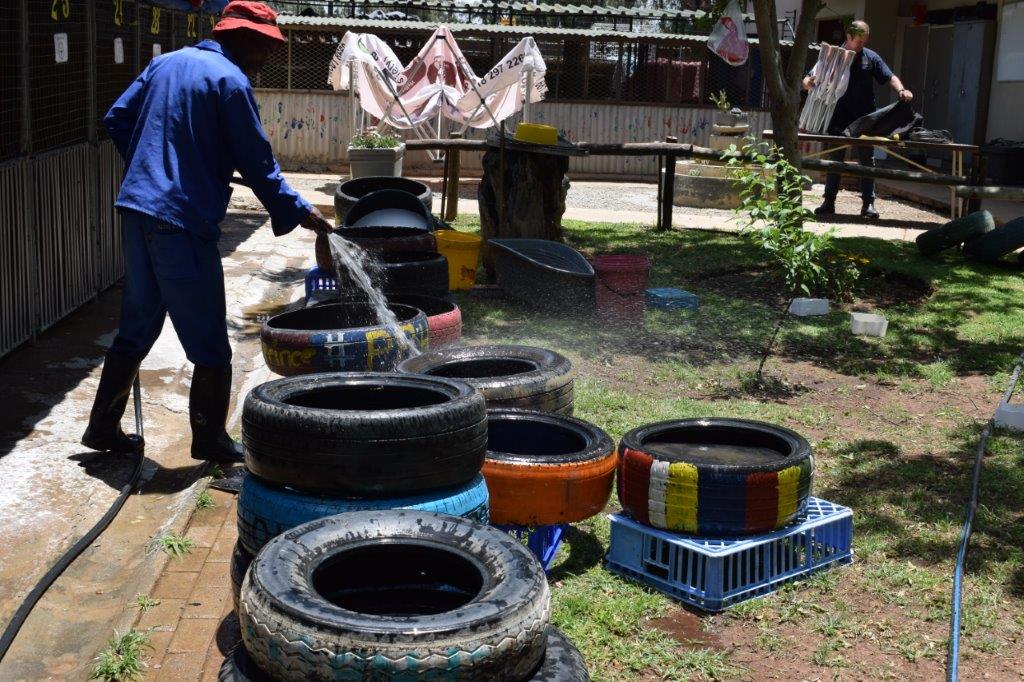
It takes a lot more than petting an animal to keep it happy. In fact, it takes hours of cleaning, engagement in community affairs, getting up at 3 a.m. for calls, and selfless devotion.
Being there for animals often means being there for the community to foster a mutually beneficial relationship. Ettienne Janse van Vuuren has worked at PAWS for almost four years and as a field officer, his responsibilities range from picking up strays to animal cruelty cases. He is the first person to reach a scene of a call and often has to pick up dead animals on the road.
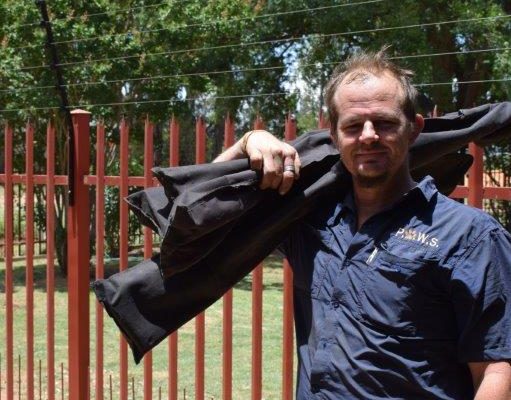
Ettienne recalls a case where a lady’s dogs ate a neighbour’s chickens, and as revenge, the neighbour then, “cut open the dog’s stomach and set him on fire”. “I have to go fetch them─ gloves, masks, smell, flies, worms, you name it,” says Etienne. “When reaching a scene, it is our job to make sure the animal is not in pain,” Etienne explains.
“When people engage in religious sacrifice, we go to help them,” captive bolting is then implemented to stun the animal, so that they do not feel their throats being slit, in that way humane treatment can be ensured, and, “In that way, we support the community,” Ettienne says.
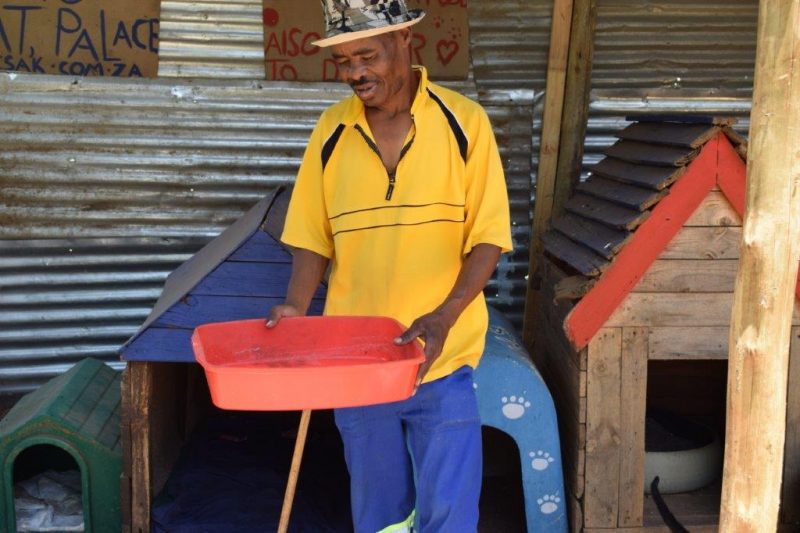
Isak Mfiki, who has worked at PAWS as a cleaner for almost a year, says the cats alone are, “A lot of work,” as there are over 40 cat litter trays to clean every day and over 100 cats. Isak says the cages need to be scrubbed down with chlorine every day, every cage can take 10 to 15 minutes to clean. He recalls when he saw a cat they had to pick up next to the road, it’s stomach was, “Hanging out,” and it was already dead. If cats are still alive, although damaged, they are taken to the doctor to see if they can be saved. Isak says he enjoys his job regardless of the hard work, as, “To work for animals is to love animals.”
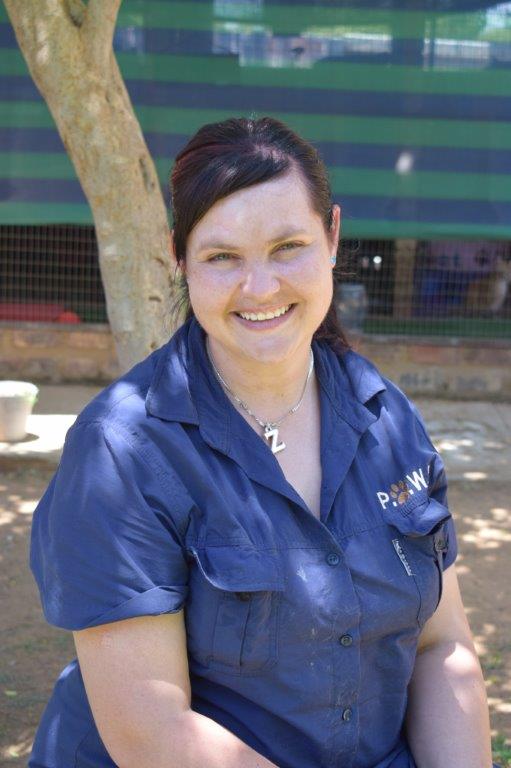
Zalizna Smit, who has worked at PAWS for almost a year, says there are many things to take into account other than cleaning to accommodate a dog. They even scan dead animals for microchips to try and give owners some sense of closure. This dedication includes being involved in “pre-home checks”: “To go and see what the yard looks like” and make sure it is sufficient for the animal. Zalizna says they make an effort to, “Do in-depth investigation regarding power breeds, such as Boerboels,” to avoid adopting out dogs to face the fate of dogfighting. “Sometimes it looks as though people look down on us, but it’s something that has to be done,” she says, cages can’t be left dirty, and flies have to be taken into account in the summer. “At night, before we go to bed, we need to make sure the dogs have blankets, water, food, etc.” she says. Zalizna says, “I don’t think people always realise what we do behind the scenes,” where animals need to be reached who have been hit by cars or even bitten by snakes”. Every day, the wellbeing of the animals is our top priority
Working at PAWS requires an empathetic heart, lots of brawn, and no small amount of effort. Ensuring the wellbeing of the animals requires extra time and effort that these animal lovers are happy to implement.