
What does life behind the camera really look like? Filmmaker Jason Lume reveals the glamour, gruelling days and why he would never quit.
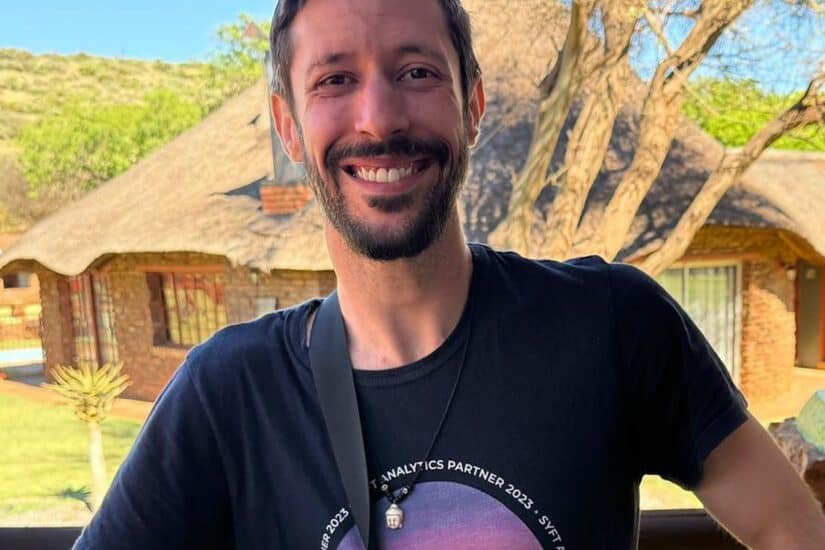
Breakfast on location somewhere ‘out there’. Picture: Supplied.


From the Kalahari to glamorous fashion shows, corporate videos and everything in between, cameraman and editor Jason Lume has spent almost two decades capturing life through a lens. Apologies to Robbie Williams.
His assignments have taken him into corporate boardrooms, music venues, remote communities and onto production sets where almost anything can happen. It is a career built on curiosity, creativity and a willingness to work bloody hard for the perfect shot. And he is patient enough to bank it, almost all the time.
Despite the long hours, unpredictable schedules and physical demands of filmmaking, Lume would not trade his camera for an easier life. Not even a lottery win would persuade him to retire. “I absolutely would not stop working. I would choose my clients more carefully, but I need that creative outlet. My job is not just about making money. It is a way for me to express myself creatively,” he said.
His career began almost by accident. An aptitude test at school suggested entrepreneurial management, but university proved uninspiring. Mathematics was particularly unappealing. “I was having a real struggle at university because there was no passion in what I was doing,” he said. Photography provided an unexpected escape. After discovering a camera belonging to his then-girlfriend’s father, he began photographing friends performing at music shows. The difficult lighting made it challenging, but he was hooked. “I was capturing something I was passionate about, so it was easy to persevere through the difficulties,” he said.
Sometimes passion leads to life choices
After his first year, Lume admitted to his mom, who financed his studies, that he was wasting her money. She encouraged him to pursue something he loved. Filmmaking became the choice. “I’ve always been able to find a story in almost anything. I was already helping friends come up with music video concepts, and I loved the finished product of filmmaking.”
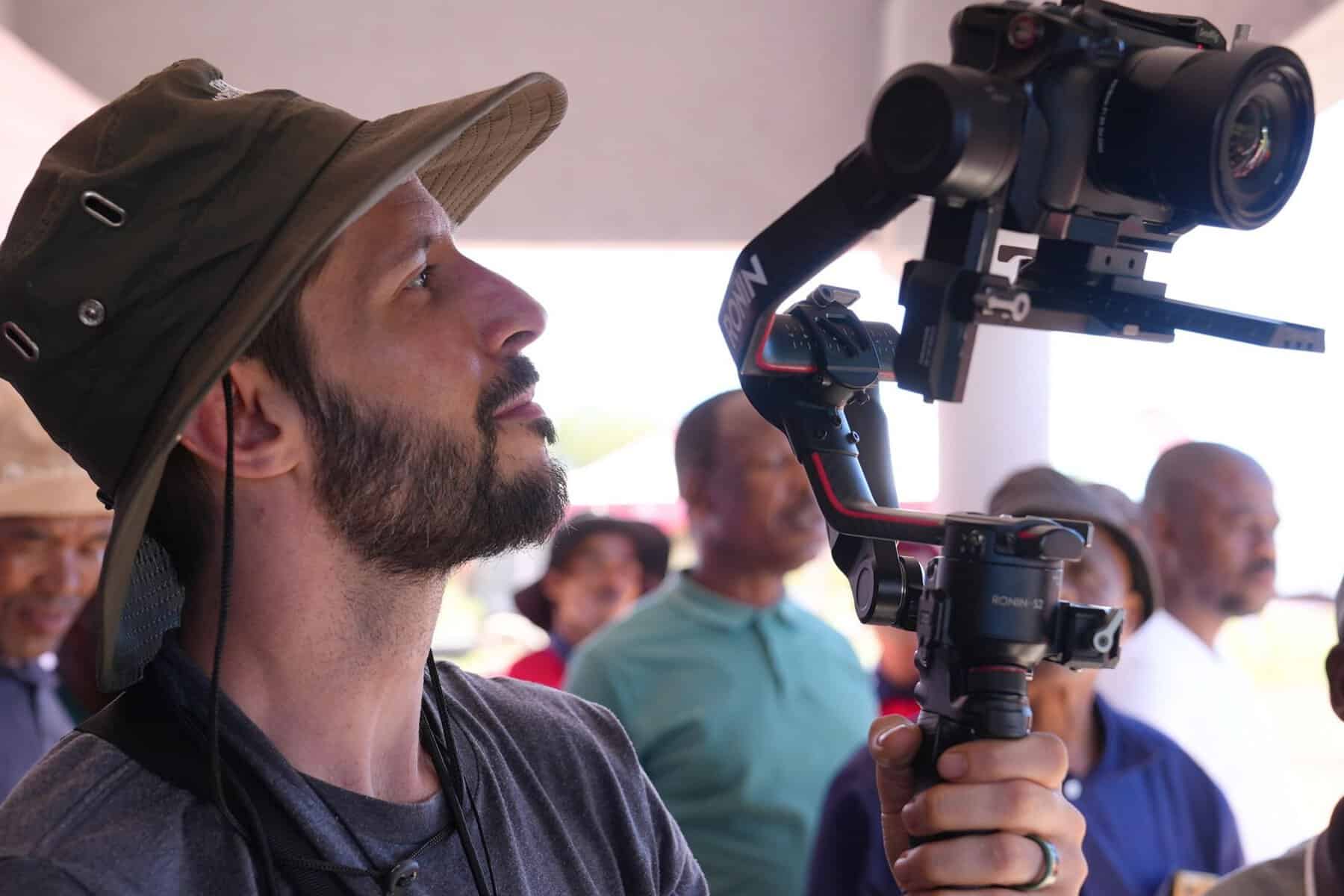
He enrolled at varsity again, although academic life presented more challenges. The course was heavily theoretical, and students barely touched cameras during their first 18 months. Lume found freelance work, eventually joining a production company to feed his creative monster. Through a sister company, he secured a bursary to complete his studies. The experience taught him that filmmaking was less glamorous than audiences imagined. “People see the finished product and have rose-tinted glasses about what it takes to make it. Sometimes there’s blood, there’s always sweat, and often there are tears,” he said.
Family members familiar with the entertainment industry had warned him against filmmaking because of its uncertain prospects. “People told me I would never make it in show business. But for me, passion was more important than the pay cheque. When you start freelancing, nobody knows you or trusts your work. Without passion, you simply won’t last.”
Lume is now a senior creative at Angry Panda in Randburg and works, manages and creates diverse projects. When Lume is not filming, he busies himself with Jiu-Jitsu, where he instructs young students and supports his musician cum advertising executive wife in her career at every turn.
Not a job for sissies
The variety of assignments has sustained his enthusiasm for his job. “On Monday I might be filming a conference about procurement, which can be incredibly boring. On Tuesday I’m filming a social investment project and meeting people I would never otherwise have encountered; a few days later it may be something glam or spectacularly adventurous.” His work has also changed his understanding of South Africa. “I’ve learned more about my country through my work than through social media or conversations with friends and colleagues.”
Technology is changing the industry, particularly artificial intelligence, which Lume said was helping filmmakers achieve results previously beyond their budgets or technical capabilities. “AI has empowered creators, but it has also increased expectations enormously. Clients now assume you can simply do things with AI,” he said. Technology, however, cannot easily replace human judgement. “Without the human component, it becomes difficult to connect authentically with audiences. Filmmakers can adapt to situations as they happen, and that flexibility is incredibly important.”
Lume sees a whack-load of potential for AI in editing and production planning, although he is reluctant to predict filmmaking’s future. His enthusiasm remains undiminished, even through exhausting days, heavy equipment and punishing conditions. “It’s difficult to be creative when your body is absolutely exhausted. But when you love filmmaking, connecting with people or the subject you’re working on, it makes the hard work easier,” he said. “It’s definitely not an industry for the faint of heart.”