Nonku Williams' family getaway photos went viral, but it was the editing, not the elephants, that got Mzansi talking. We unpack 'Facetune Blindness' and why it keeps surfacing.
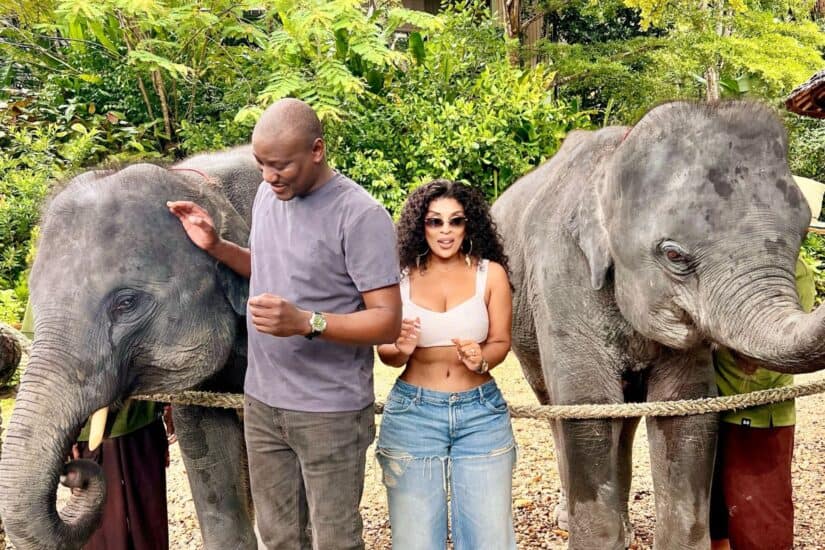
Why Nonku Williams’ holiday snaps have Mzansi asking, ‘Can’t she see it?’ Picture: Instagram, @nonku_williams


A family getaway, a fiancé, some elephants, and a blended-family moment: on paper, Nonku Williams’ latest holiday snaps looked wholesome, but social media didn’t see it that way.
The Real Housewives of Durban (RHOD) star’s photos drew far more commentary about her appearance than about the trip itself. Fans questioned whether she could see how heavily brightened and smoothed the images looked, and some likened the effect to wearing a mask.
One commenter wrote that “the faceapp always kills me”, while others wondered whether she was the only person in the group shots who had been edited.
Enter a term that keeps resurfacing in these conversations: Facetune blindness.
What is Facetune Blindness?
It describes what can happen when someone heavily and repeatedly edits their photos with apps like Facetune or FaceApp, which can smooth skin, brighten complexions, reshape features, and layer on filters. The edited version slowly becomes the person’s new normal. The odd, mask-like quality that outsiders spot instantly stops registering for the person who made the edits.
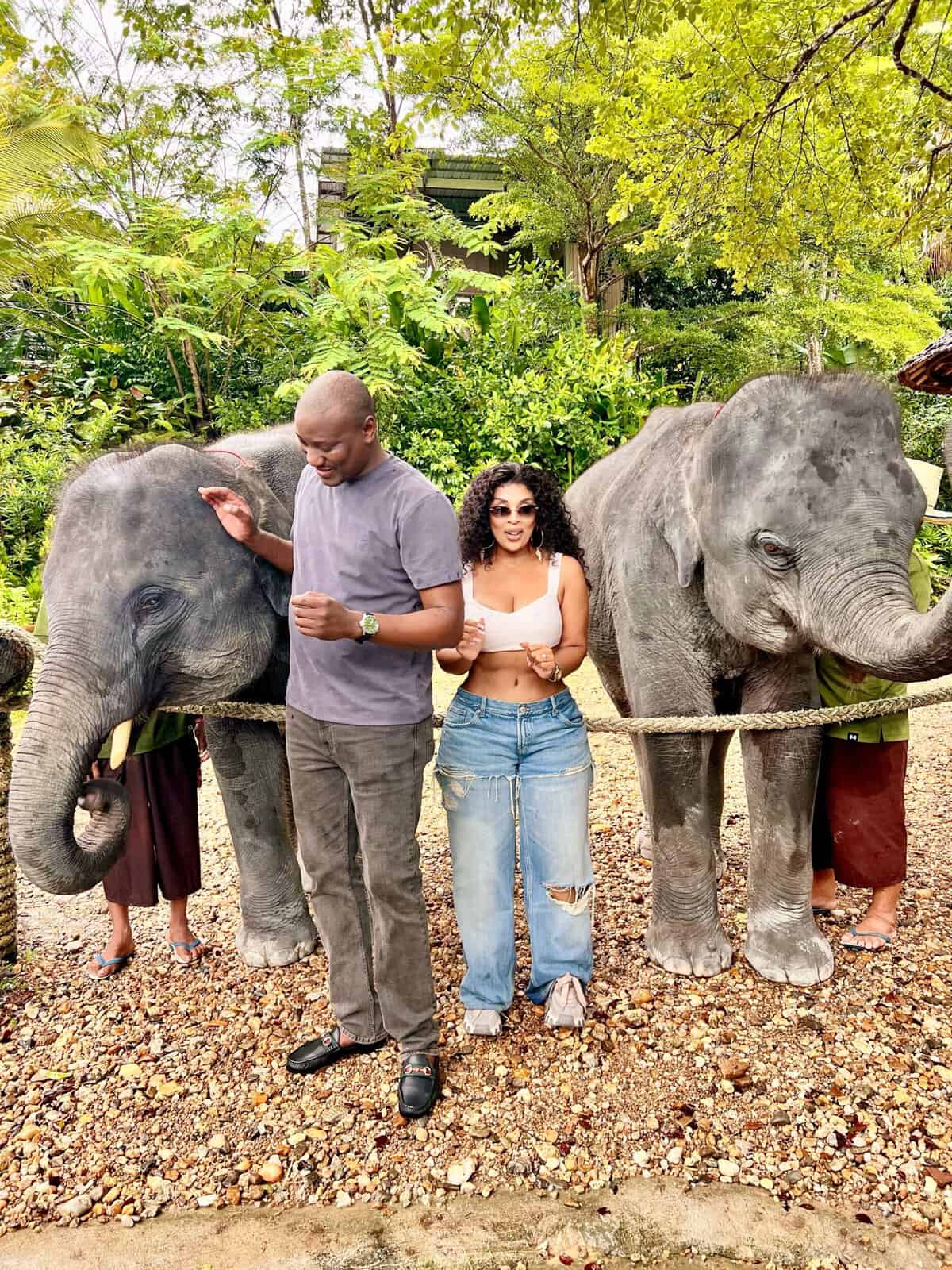
The mismatch is the giveaway. The poster sees a flattering upgrade, while viewers see an uncanny face that clashes with the unedited people and scenery around it. Or, the facade becomes evident when the FaceTune user shares a video because apps that successfully add filters that don’t glitch on video aren’t ubiquitous.
Why can’t they see it?
Apps like these make dramatic changes effortless.
Many people start with subtle tweaks and escalate. Over time, the processed face becomes the reference point, and the unedited self starts to look undesirable. Lost skin texture, uniform brightness, warped backgrounds and lighting that doesn’t match everyone else in the frame are the tell-tale signs outsiders notice first.
For public figures, the pressure is amplified. Social media rewards polished, youthful images, and reality TV personalities live under intense visual scrutiny. The result is a loop of more editing, followed by less awareness of how far the edits have gone.
Not the first time
Nonku’s pics aren’t the first to trigger this debate. Online commenters have repeatedly pointed to the same pattern with other local personalities, with Omuhle Gela, Lerato Kganyago and JoJo Robinson among the names that come up when filtered-looking photos circulate. In JoJo’s case, the conversation sometimes overlaps with her openness about cosmetic procedures.
Fuelling dysmorphia
Editing tools that once demanded a Photoshop professional now live in everyone’s pocket. Used lightly, they can rescue a bad-lighting day. Used heavily, they can feed body dissatisfaction, unrealistic expectations and interest in procedures that chase the digital ideal.
The pile-on that comes from frequent use of these apps can also be harsh and selective. While not every perfect picture signals FaceTune blindness, the discourse that these pictures spark tells us a lot about what audiences expect from public figures: authenticity over perfection.