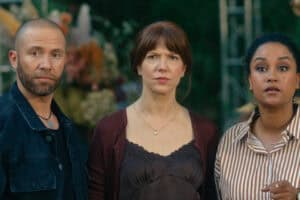
Zwelakhe and Bahumi's mahlabiso ceremony on Kwa Baba raised questions about how telenovelas blend South Africa's cultural traditions.
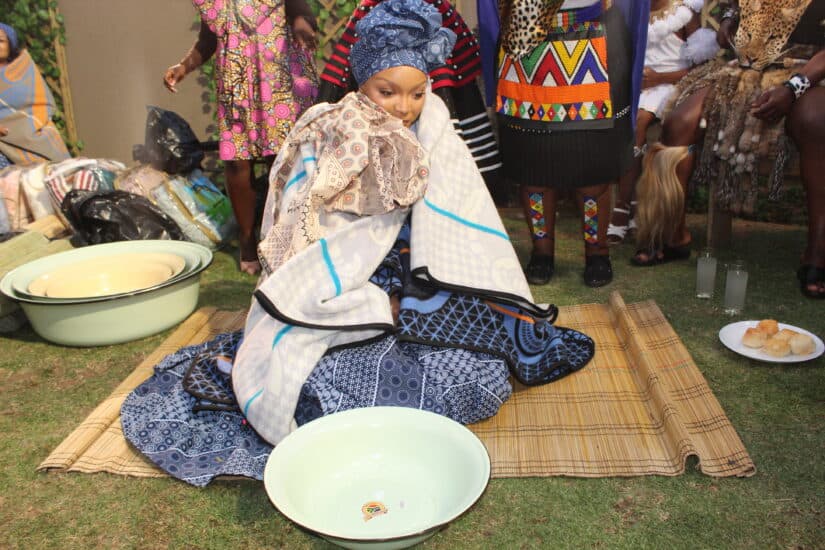
Rorisang Mohapi Grootboom as Bahumi on Kwa Baba.. Picture: Supplied, Mzansi Magic


Zwelakhe and Bahumi’s long-awaited mahlabiso ceremony on Kwa Baba has given viewers a romantic payoff. However, it has also sparked a conversation about how South African telenovelas portray and blend the country’s cultural traditions.
In Friday night’s episode of the Mzansi Magic telenovela, Zwelakhe (Vuyo Biyela) and Bahumi (Rorisang Mohapi-Grootboom) celebrated their love with the traditional ceremony.
It marked a key step towards marriage after a storyline of family opposition, interference from an ex and repeated obstacles.
A celebration years in the making
MaMbokazi (Hlengiwe Lushaba-Madlala) beamed with pride as her son took a wife. Mr and Mrs Motaung (Mpho J. Molepo and Helen Lebepe) were equally delighted. Earlier wedding plans had collapsed and left them heartbroken, but this time Zwelakhe did not disappoint.
The Motaung and Mkhize families came together for the union. Dumisani (Lindani Nkosi) and his wife Zandile (Phumzile Mlangeni) stayed away, remaining at home in disappointment.
As previously reported by The Citizen, the episode also featured a crossover with characters from Inimba (Lazarus and Nonceba) and Nyalo O… (Rhami and Kea). This added extra excitement and a teaser about a possible future wedding appearance.
Viewers celebrated the ceremony as a joyous milestone filled with emotion, music, laughter, and displays of family love.
Whose tradition is it?
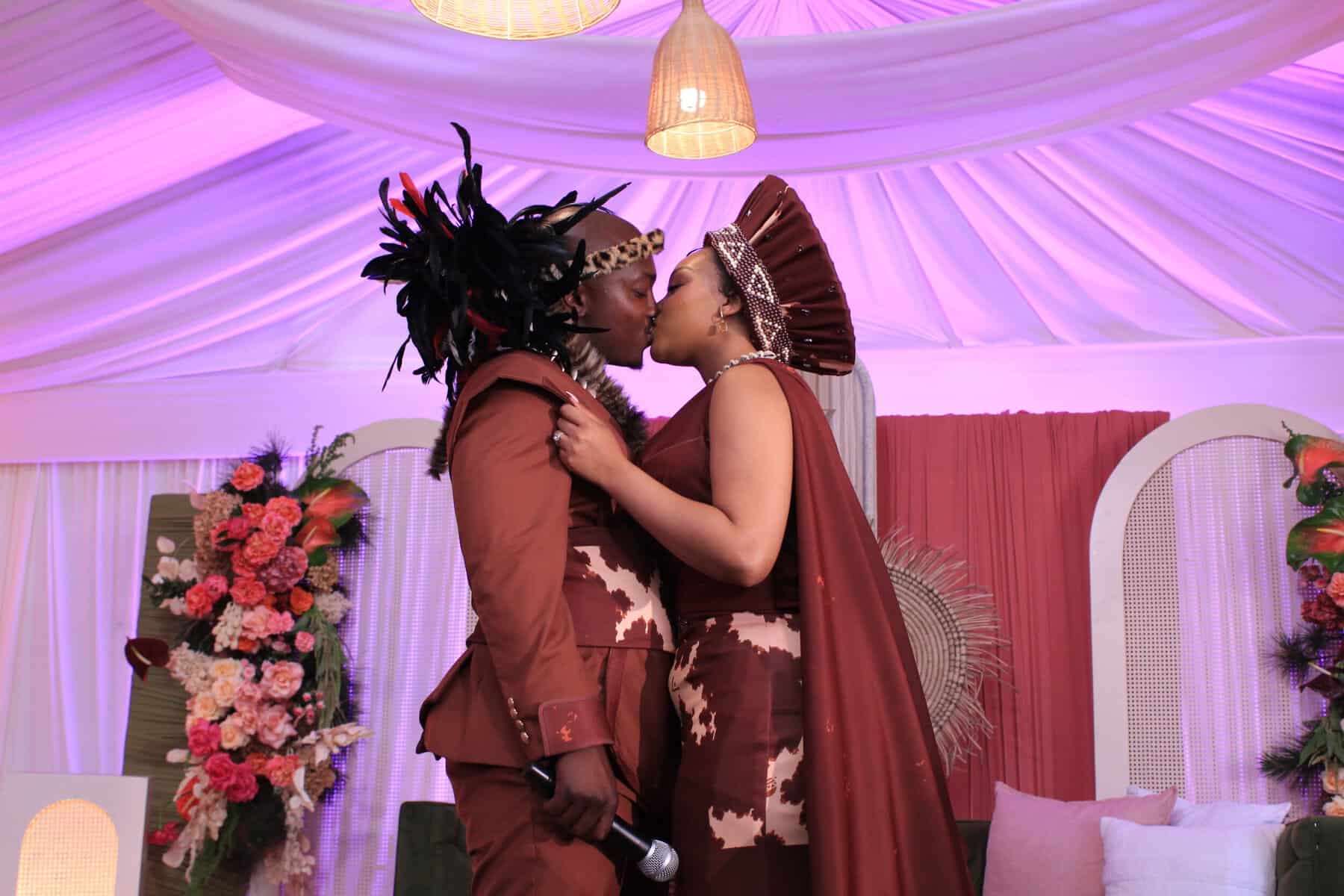
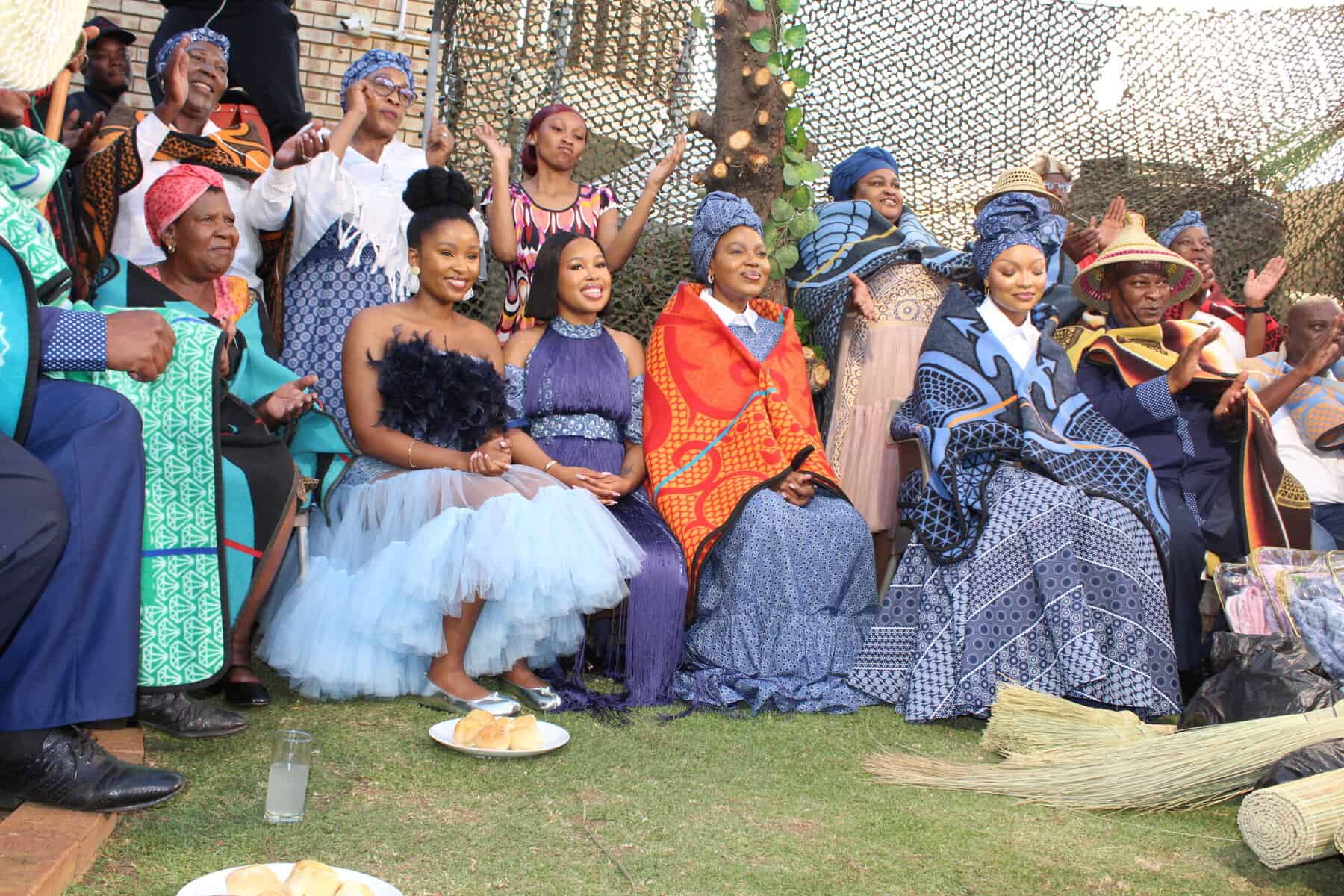
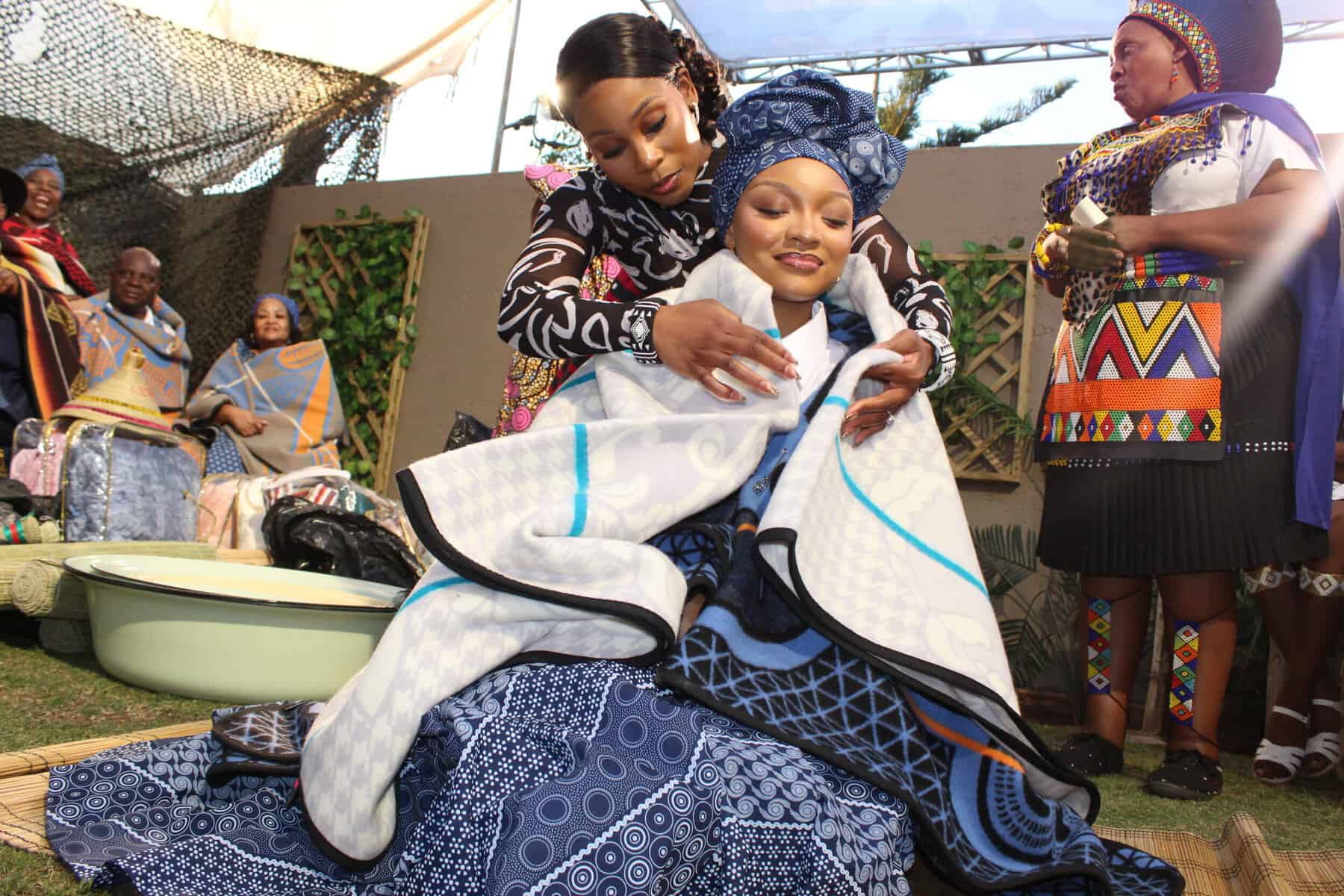
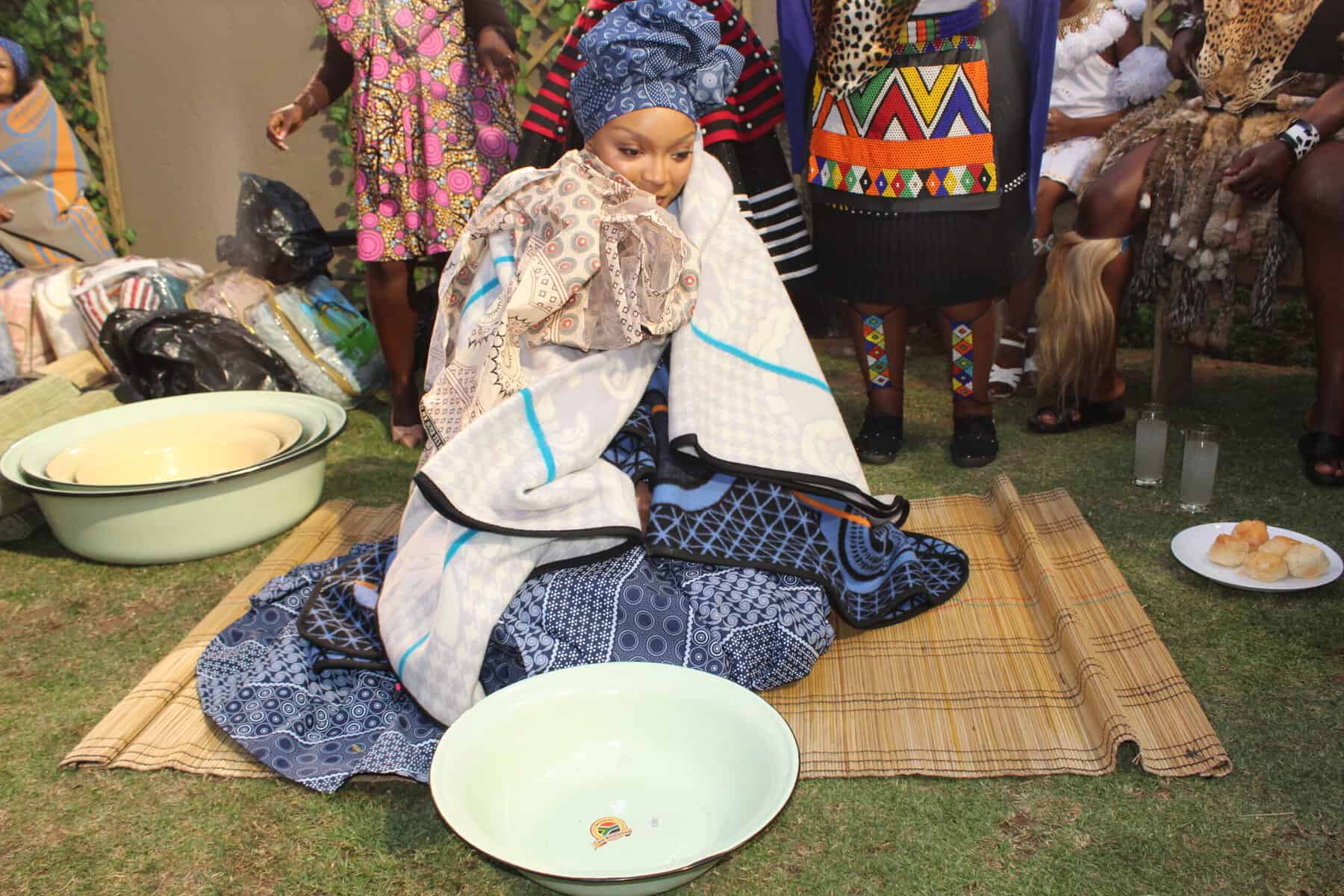
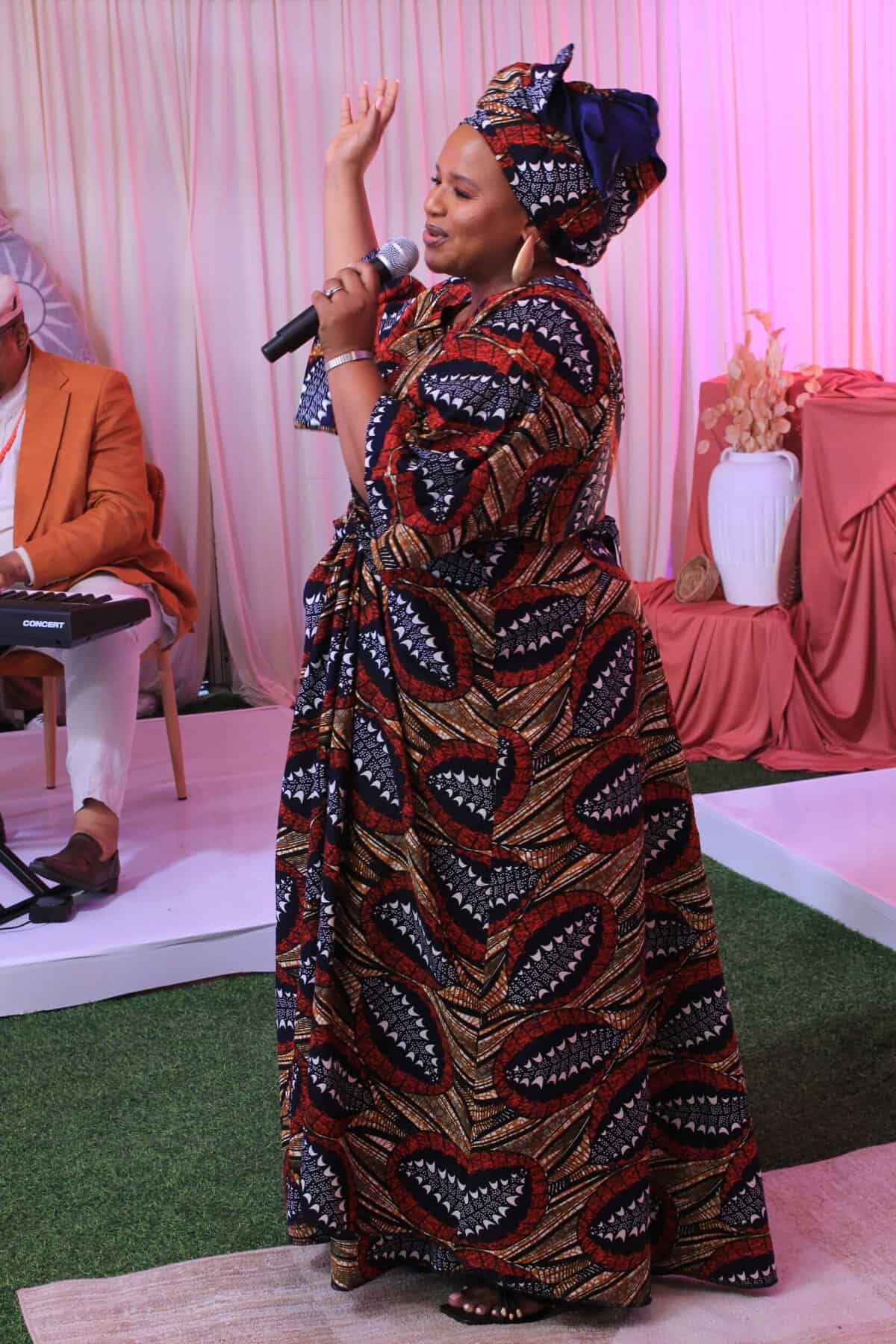
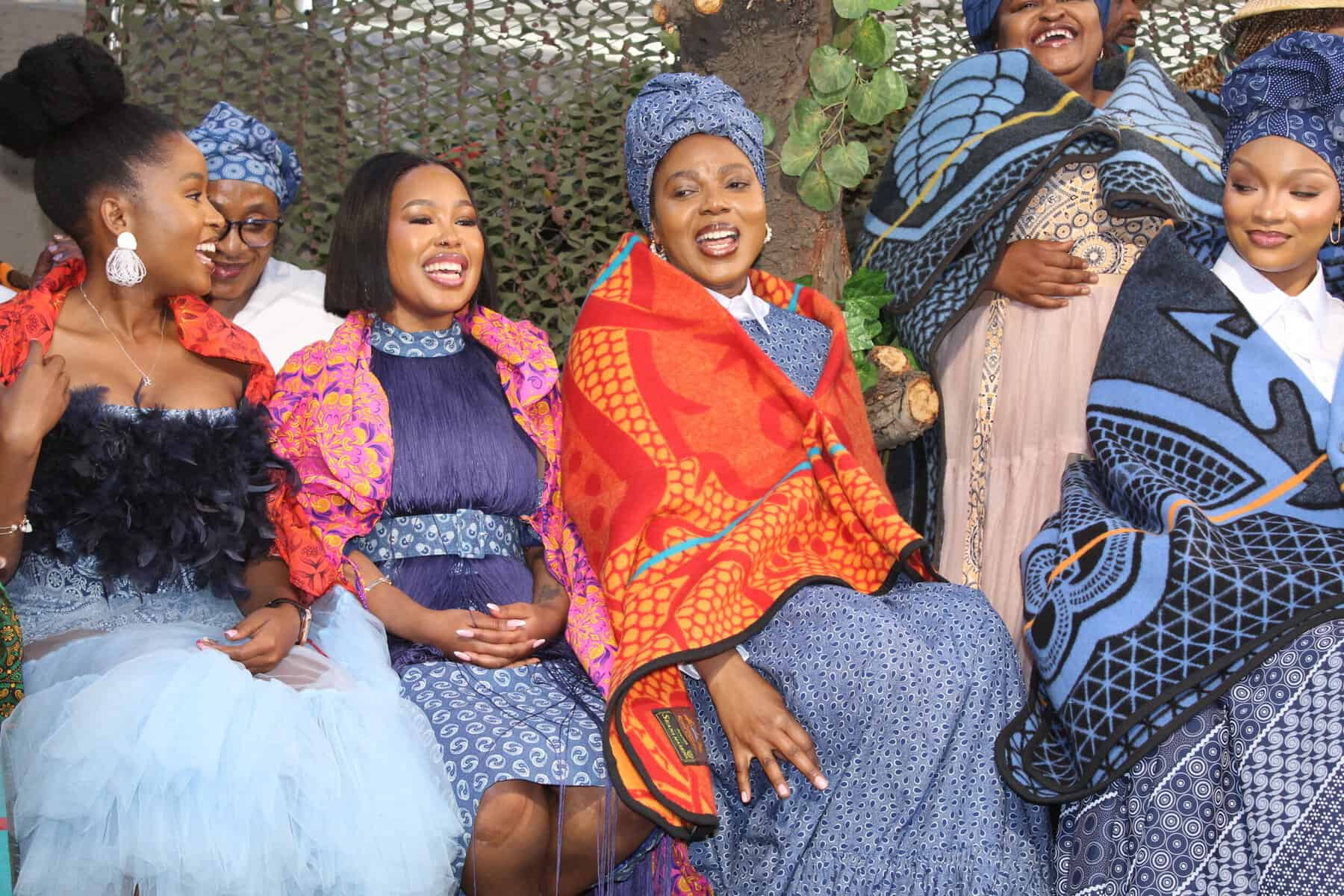
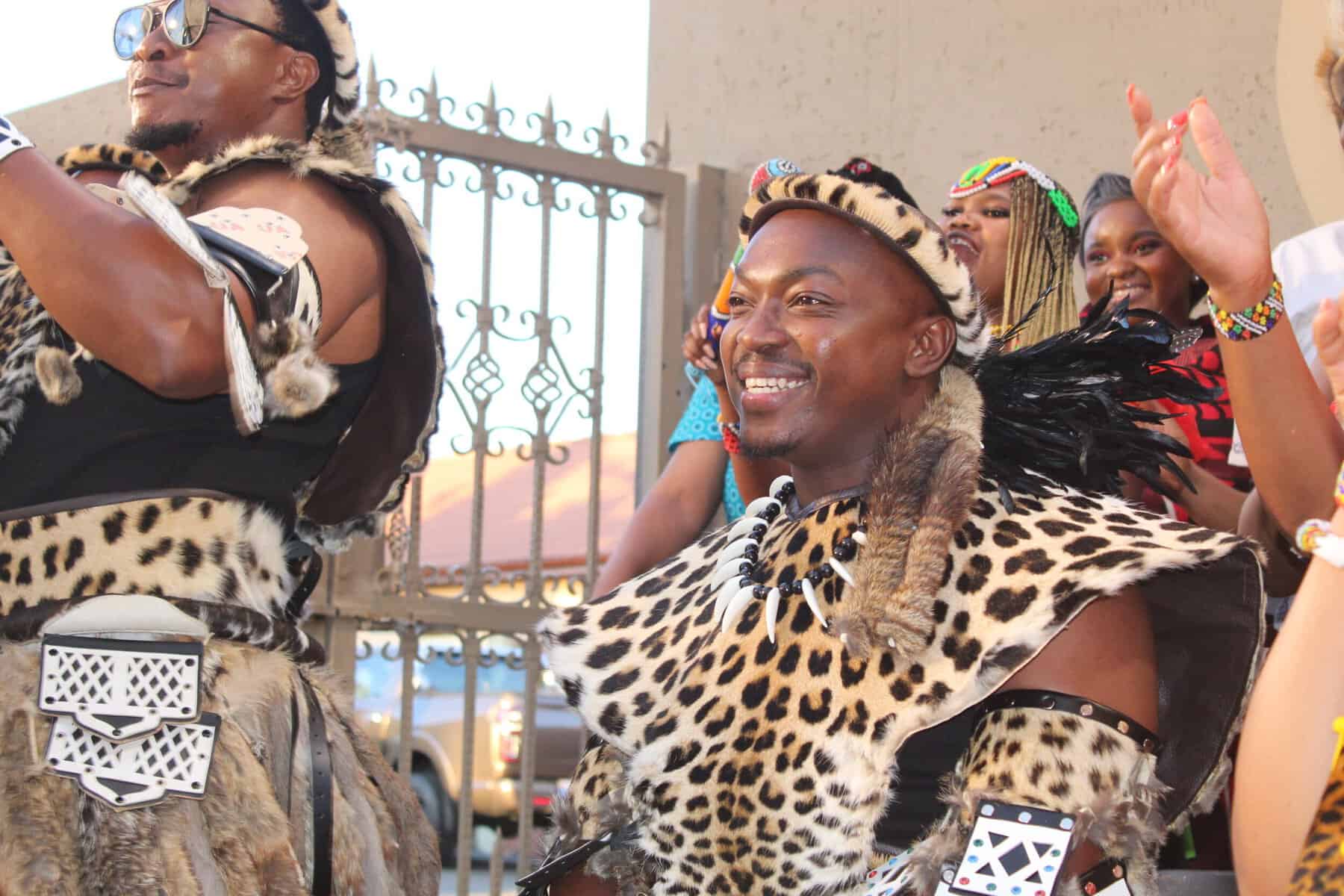
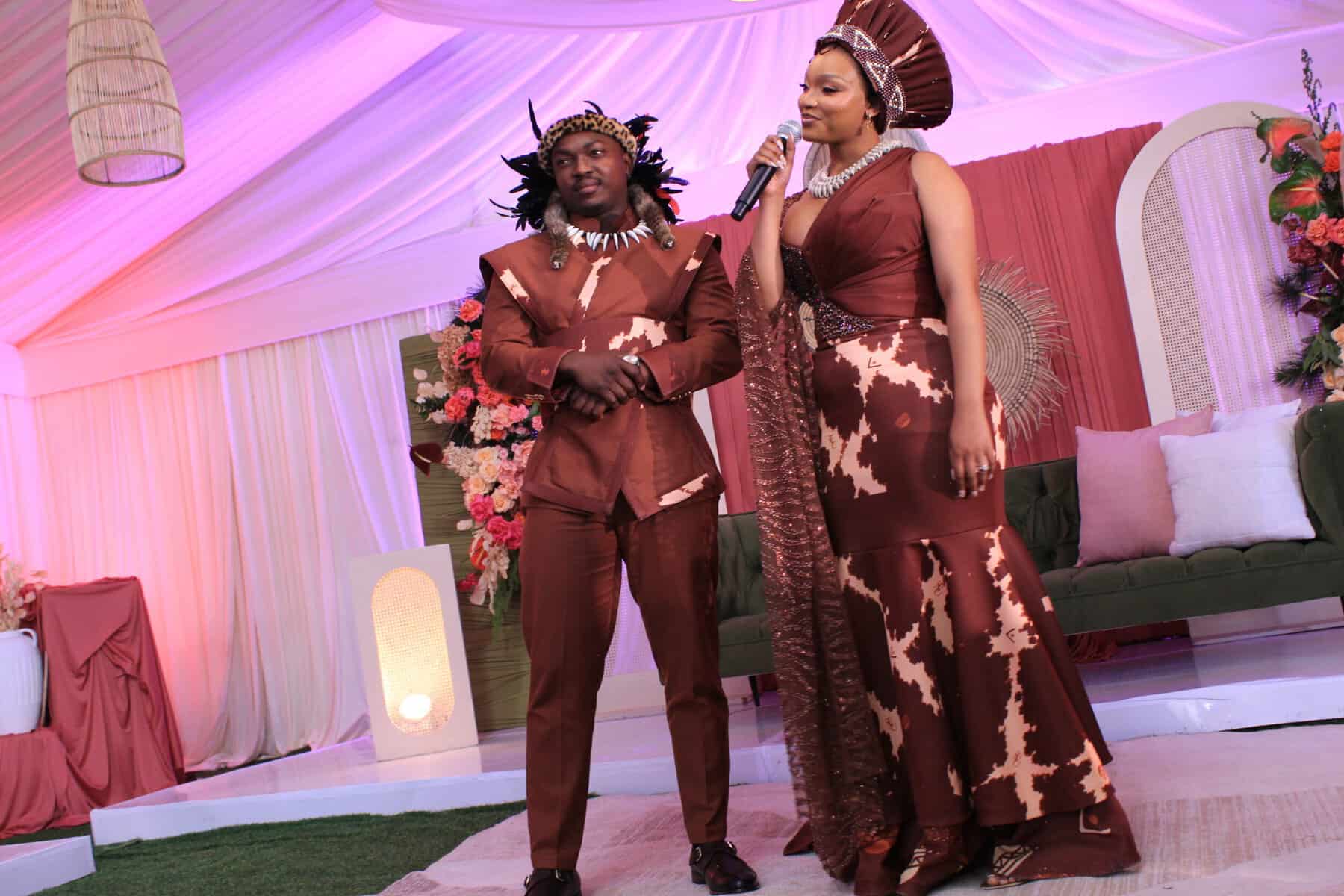
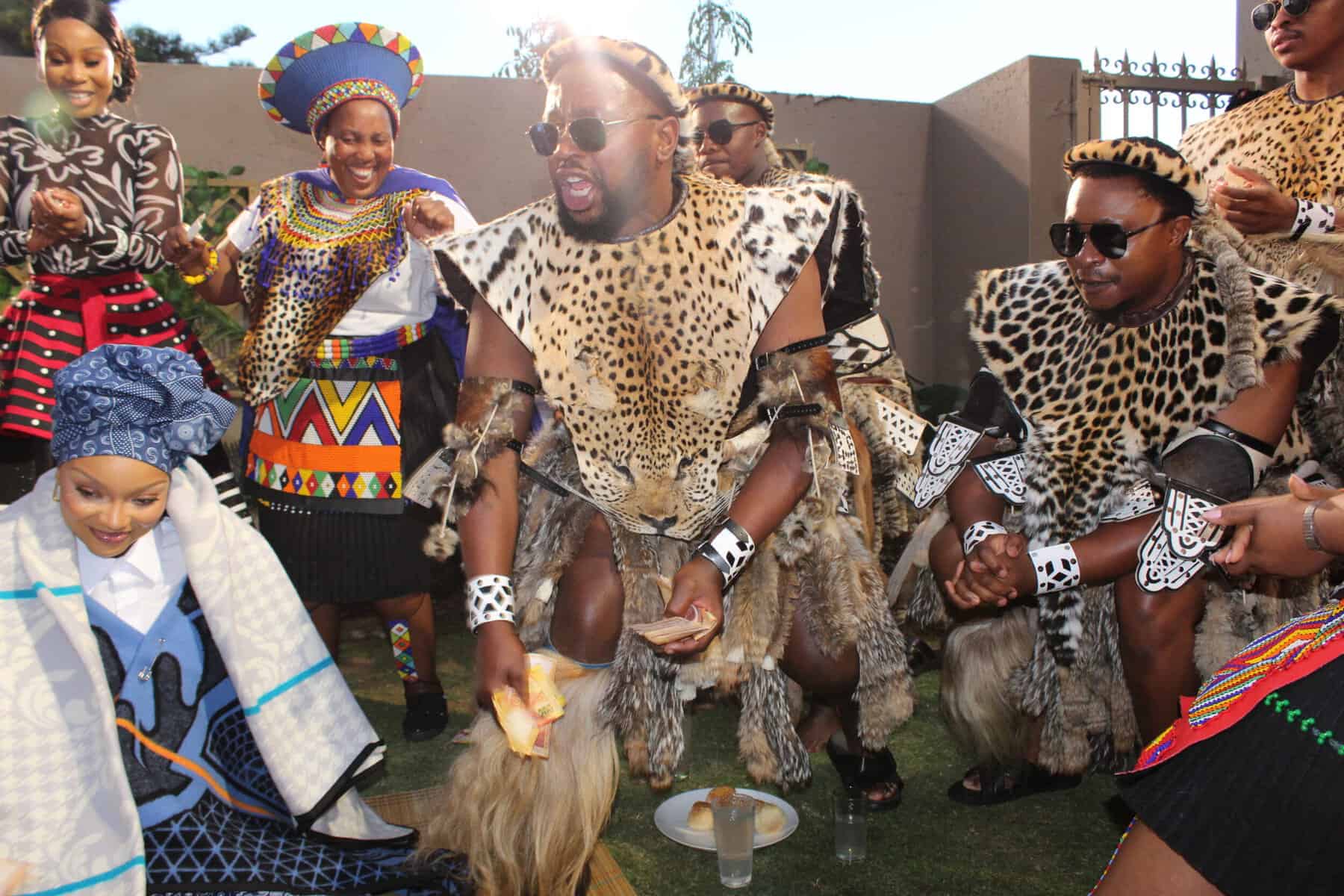
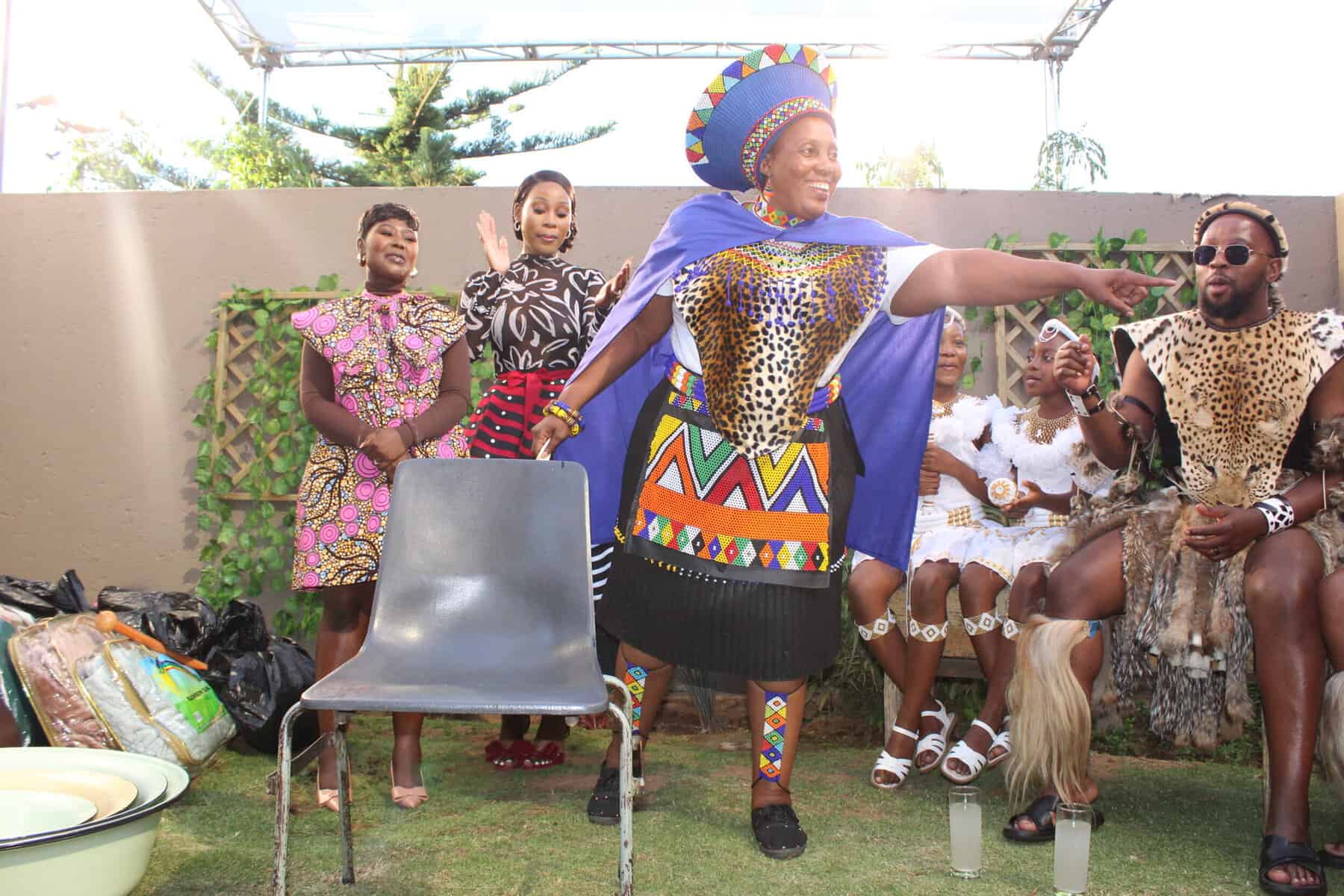
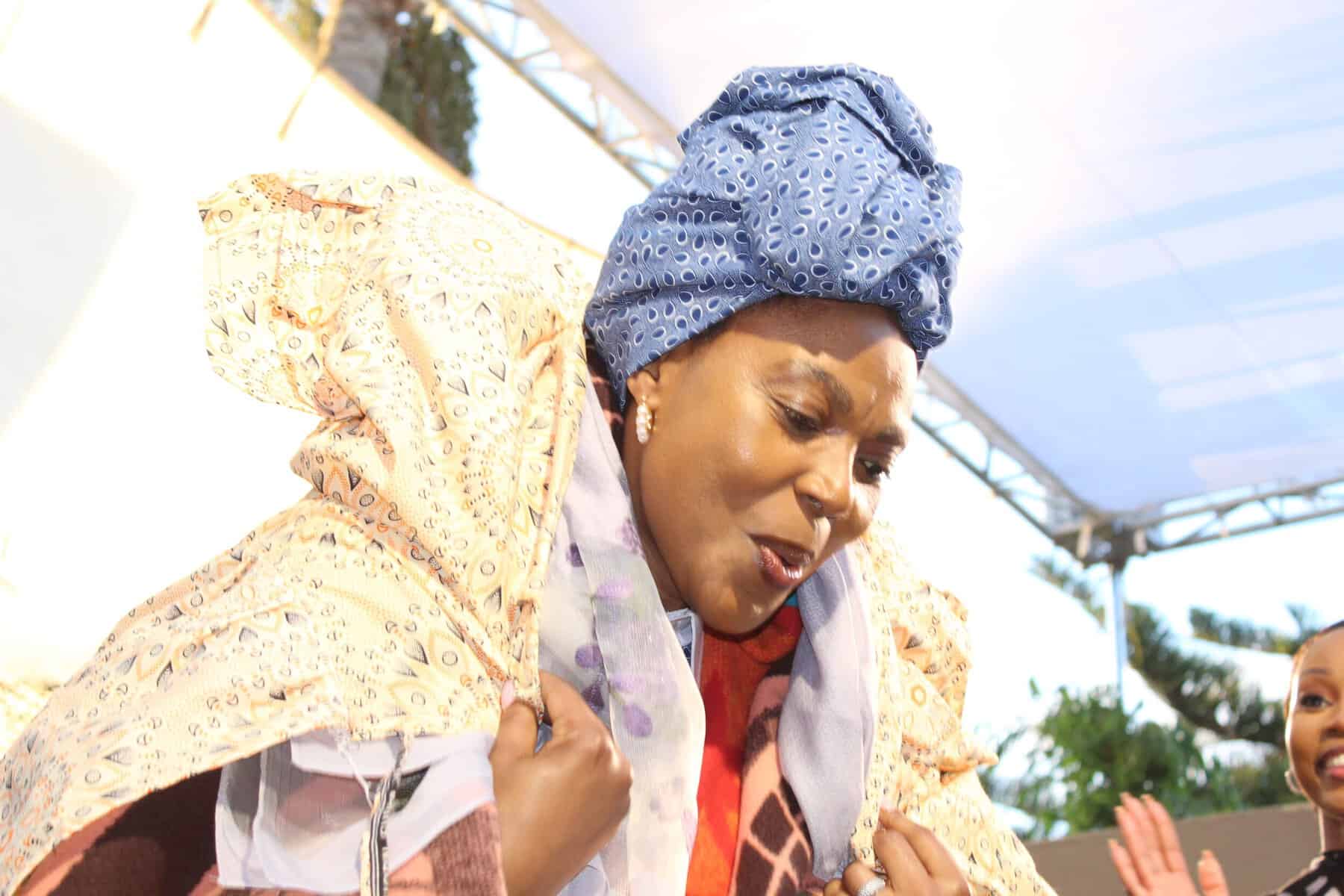
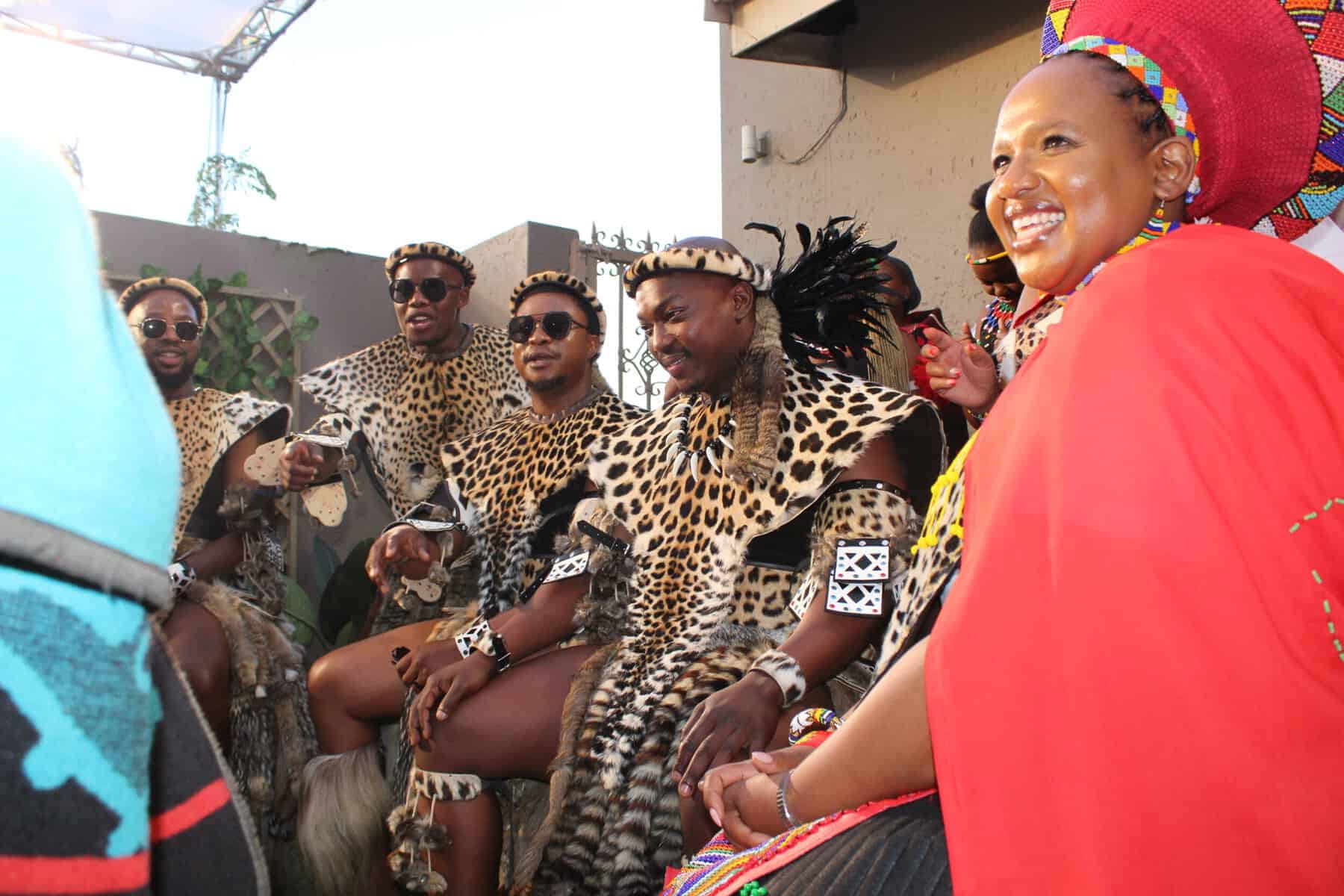
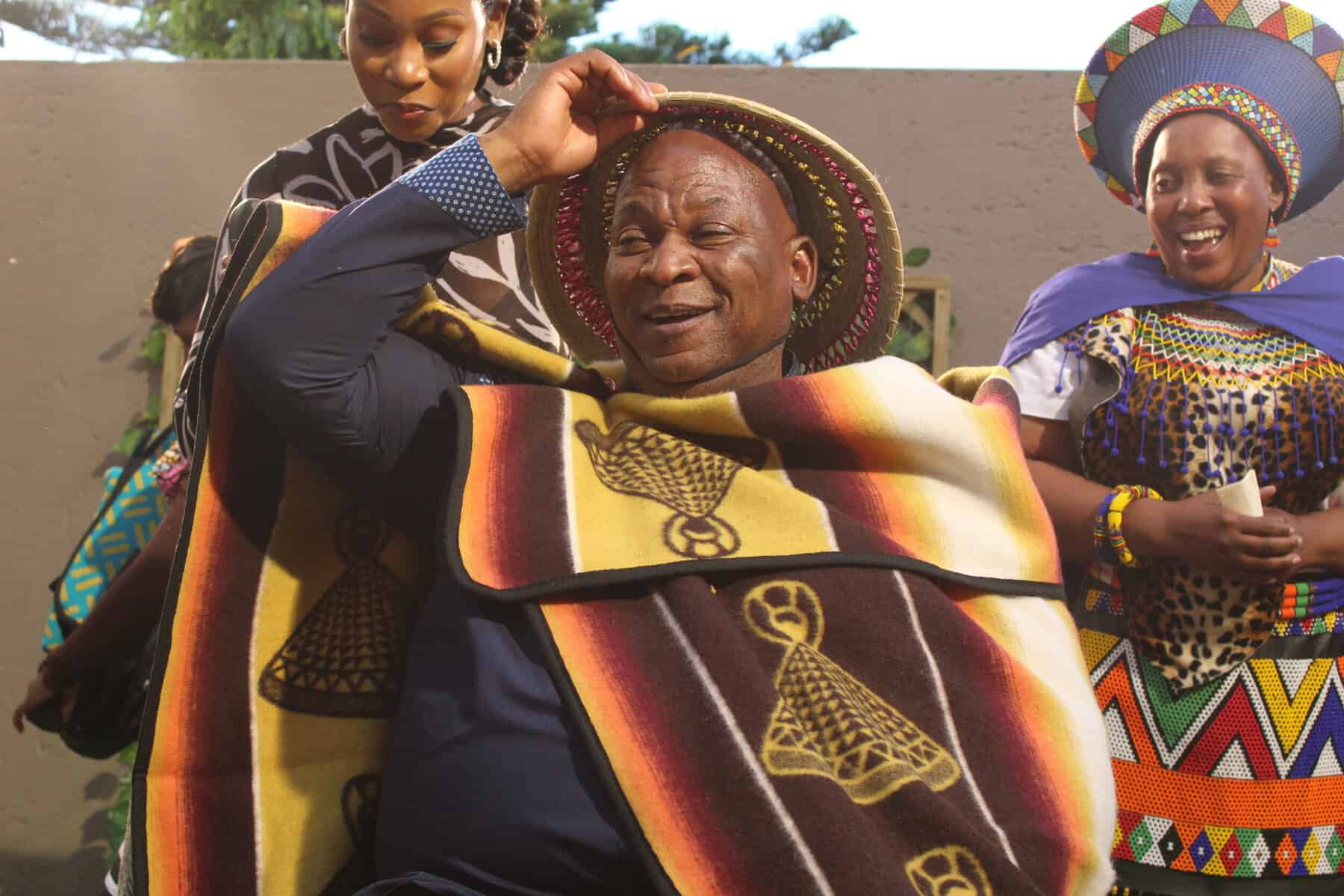
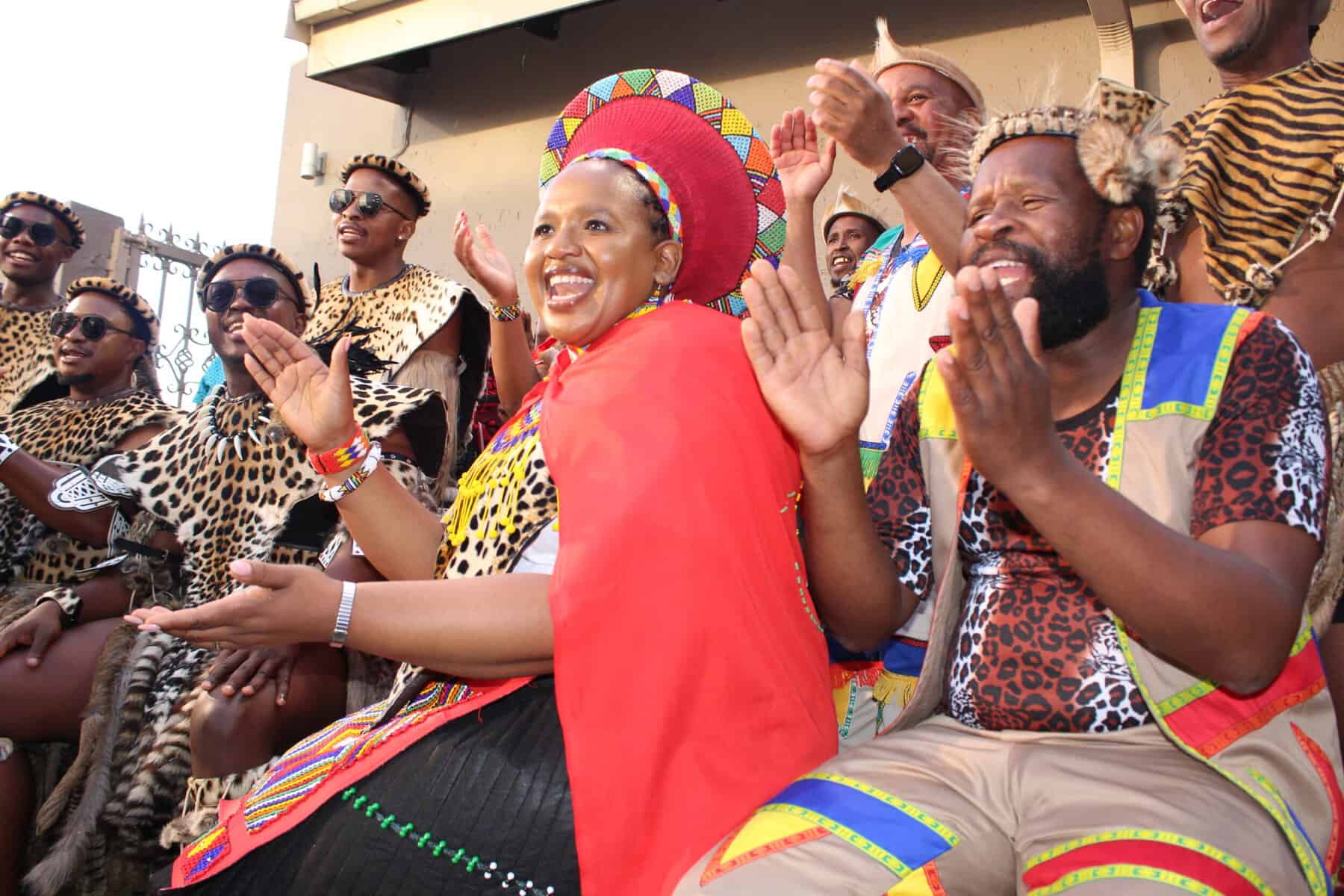
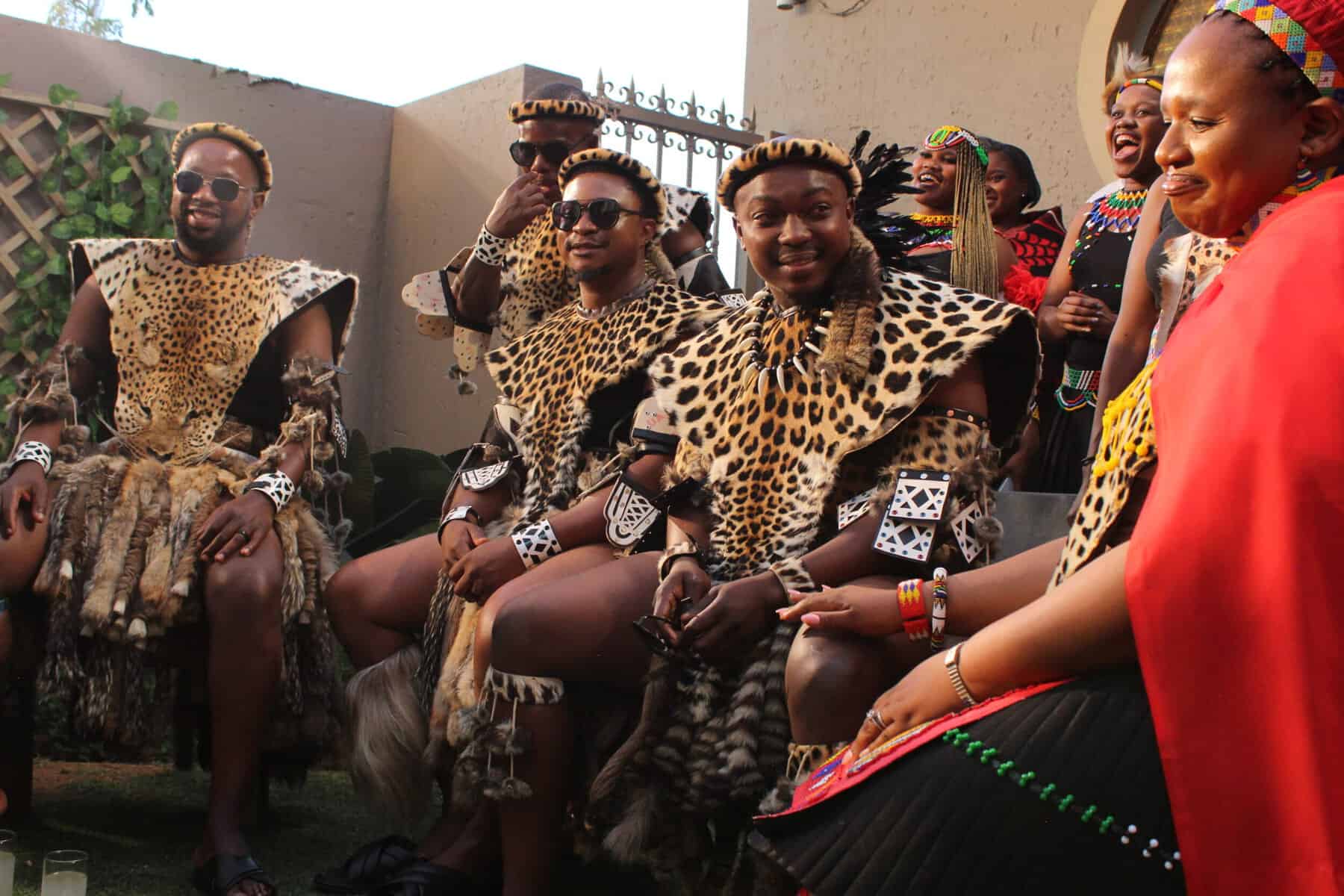
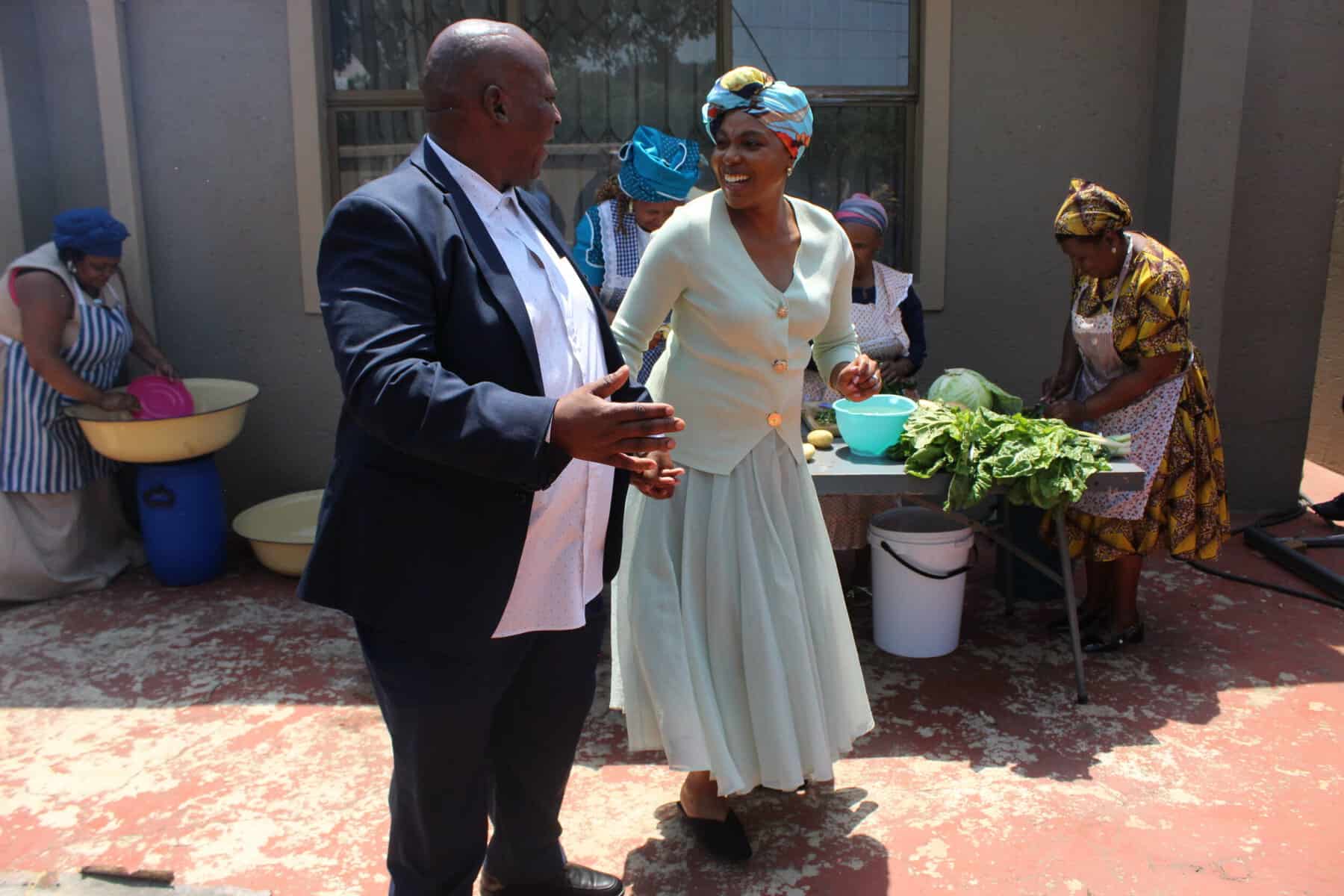
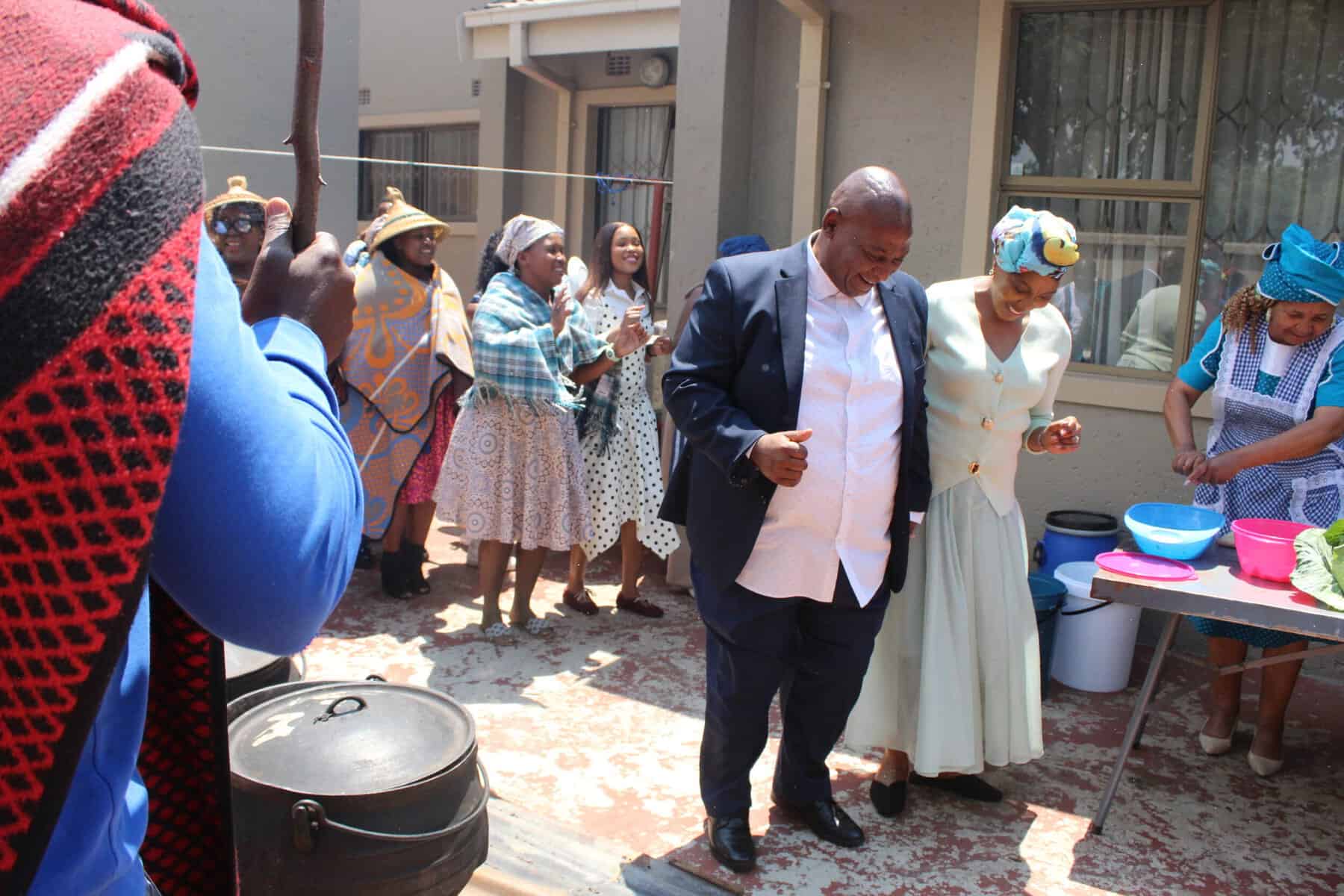
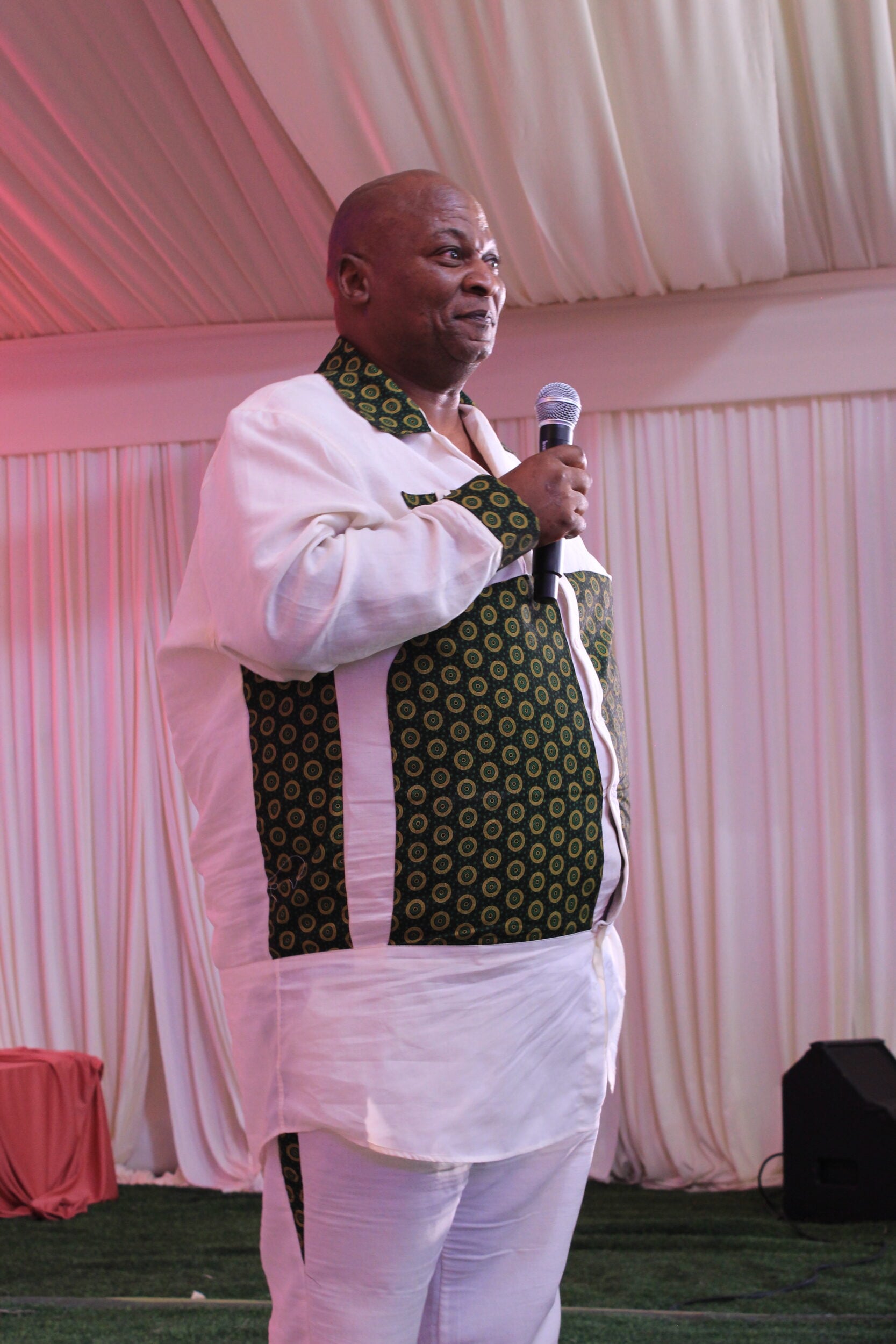
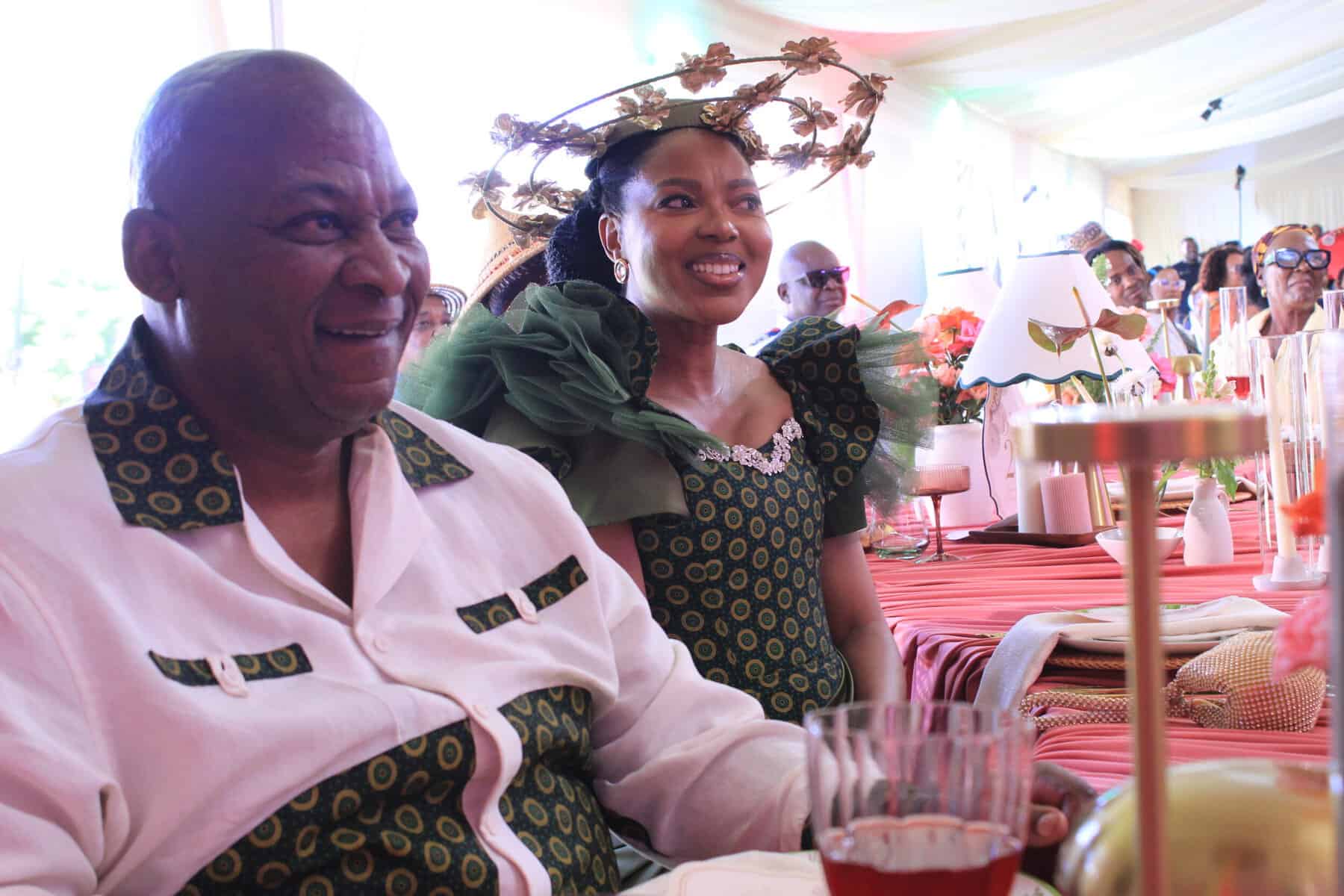
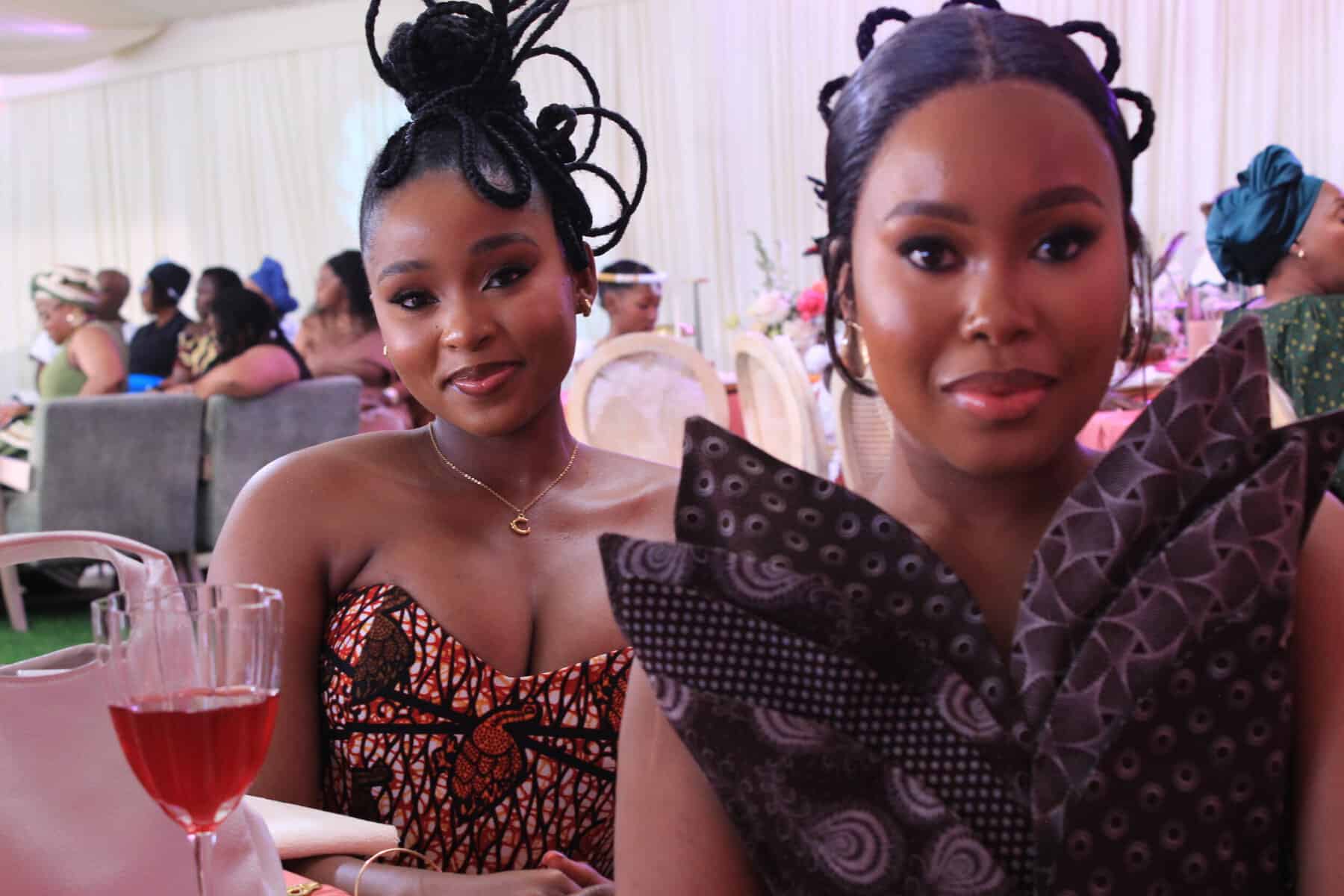
The portrayal has since drawn attention to the cultures at play on screen. The Mkhize family carries a Zulu surname and traditional associations, while the Motaungs have a name and background linked to Sotho and Pedi heritage. Kwa Baba is produced with dialogue in English, Zulu and Pedi, reflecting an intentionally multicultural setting in Msawawa, Diepkloof Extension.
Mahlabiso is a custom particularly associated with Sesotho and Sepedi communities.
It is a post-negotiations or post-wedding welcoming of the bride into her new family, with specific rituals, songs, dances and ancestral acknowledgements that can vary from group to group.
What the viewers think
Some viewers and online commentators have questioned whether the on-screen ceremony accurately reflected the distinct practices of the two families. Their concern is that it leaned into a blended, generalised “traditional African” aesthetic common in telenovelas as opposed to customs, ceremonies and attire linked to a particular culture.
There are those among the commentators who have praised it as a realistic depiction of modern inter-cultural marriages in urban South Africa, where families negotiate and combine customs.
A bigger conversation about balance
The discussion sits within a wider, recurring debate about cultural balance on Mzansi Magic and South African television.
Detractors have, for years, argued that Zulu-centred stories and aesthetics often dominate airtime. In contrast, Sotho, Pedi, Venda, Swazi and other traditions receive less nuanced screen time.
Producers have framed Kwa Baba, from the start, as a story about the intersection of modern romance, family obligations and differing cultural expectations. Not only did the mahlabiso episode deliver the emotional payoff many fans wanted, it has also prompted reflection on authenticity, accuracy and the responsibility of popular drama when it stages living traditions for a national audience.
Kwa Baba airs Monday to Friday at 7:30 pm on Mzansi Magic. Viewers who missed the ceremony can catch up on DStv Catch Up and the DStv Stream app.