
Tyla's A*POP has ignited discussions about balancing international crossover with homegrown talent in the evolving landscape of African pop.
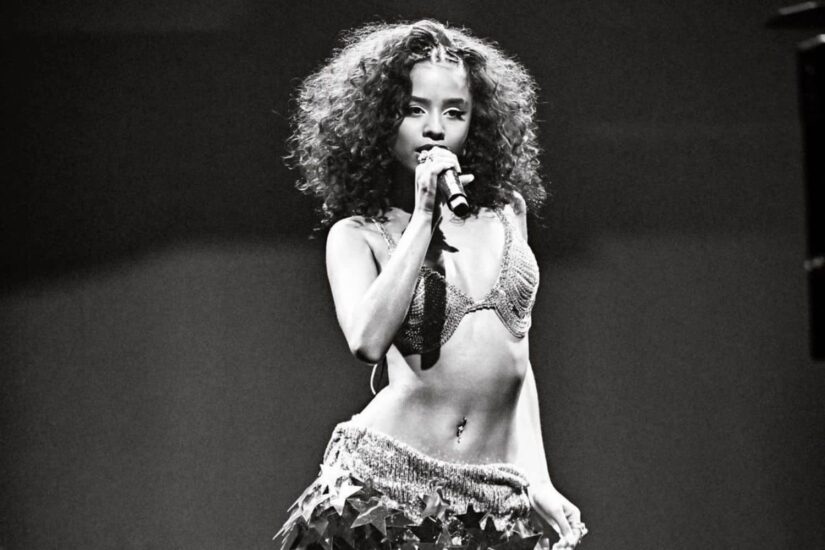
South African music artist Tyla. Picture: tyla/Instagram


Tyla Laura Seethal, the Grammy-winning South African artist widely credited with popularising “popiano” has positioned her upcoming A*Pop album as a confident declaration of African music as global pop.
According to the singer, the title reflects her vision: “I bring the A to pop. It’s African pop; African music is pop music.”
The album, set for release via FAX and Epic Records, follows her 2024 self-titled debut and the 2025 bridge EP WWP (We Wanna Party). Pre-release singles such as Chanel, Is It Love, Is It, and She Did It Again (featuring Zara Larsson) have already showcased Tyla’s signature blend of infectious grooves, sultry vocals and polished production.
Tracklist and featured artists
Tyla unveiled the official tracklist creatively, spray-painting song titles in a blacklight room with She Did It Again as the soundtrack. The project runs approximately 44 minutes and includes a mix of solo tracks and collaborations.
Key features highlighted in reports include international names spanning RnB, rap, pop and Afrobeats like Kehlani, Cardi B, Wizkid and Zara Larsson. Wizkid’s inclusion, in particular, has been praised for reinforcing connections across the African continent.
South African representation appears through tracks featuring artists such as Liquideep, MaWhoo and Babalwa M. These additions nod to local amapiano and house scenes while maintaining the album’s global sheen, building on her fusion of amapiano rhythms with sleek pop and RnB structures (popiano).
Global reach or local roots?
Based on The Citizen‘s observation, the discussion centres on longstanding questions in African music: how artists from the continent navigate international success without diluting cultural specificity.
Tyla’s debut already sparked conversations about her sound feeling “too Westernised” for some South African listeners, with critics noting its streamlined, radio-friendly take on amapiano compared to longer, producer-driven local tracks.
Per reports, some observers question whether the prominent international features on A*POP signal a further pivot toward mainstream Western markets at the potential expense of deeper South African collaborations. Others argue this strategy elevates African sounds globally, with Tyla acting as a bridge – much like how Wizkid has done for Afrobeats. There are also those who believe her decision to record parts of the project in South Africa, including a camp in the Cradle of Humankind, underscores an intent to stay rooted.
Music industry voices have long highlighted the challenges. Tyla herself addressed artistic growth in a Rolling Stone interview: “I’m now 24… I have other things to say and other vibes I want to give,” framing the album as a more mature, personal evolution.
This mirrors broader industry patterns. Artists like Burna Boy and Black Coffee have balanced local crews with global stars, often facing similar scrutiny. Tyla’s approach – blending log drums and amapiano elements with concise pop structures – has undeniably introduced South African music to new audiences, as seen in her chart success and Grammy wins in the Best African Music Performance category.
Cultural context
Tyla has consistently affirmed her South African identity, including her coloured heritage in the South African context. Her music remains deeply tied to home influences, even as it courts global appeal. Features with South African talents like MaWhoo (known for amapiano vocals) and Babalwa M demonstrate ongoing local ties, countering narratives of disconnection.
Critics of a perceived lack of heavier local features point to the vibrancy of the South African scene and artists like Uncle Waffles, Kelvin Momo and Focalistic continue to thrive domestically and internationally.
Supporters counter that Tyla’s platform amplifies the entire ecosystem, creating opportunities for more South African voices on the world stage.
Ultimately, A*POP appears designed as Tyla’s statement of unapologetic global ambition. As she told interviewers, the project allows her to “dive into things and try whatever”, moving beyond perfectionism to create a cohesive world that’s solely hers.