
As 'Toy Story 5' brings a high-tech new toy into Andy's old bedroom, Rianette Leibowitz unpacks what the film's toy-meets-tech tension can teach SA parents.
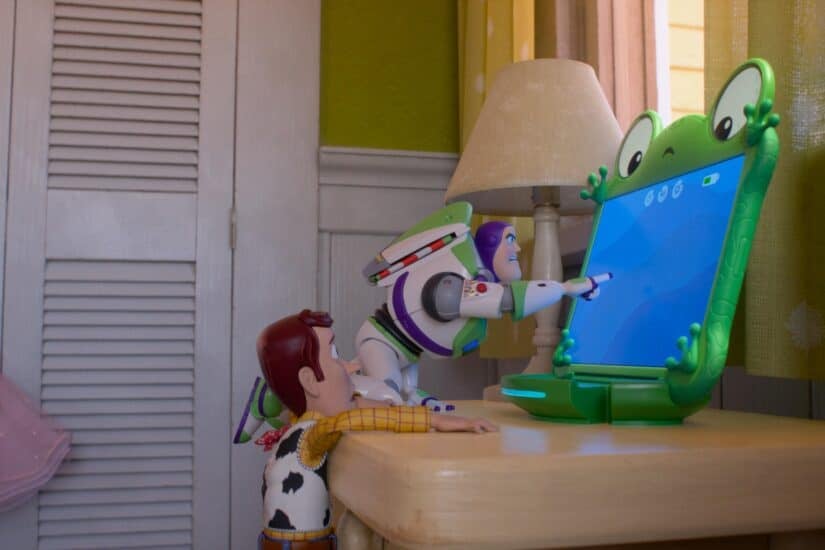
Woody, Buzz Lightyear, and Lilypad in Disney and Pixar’s Toy Story 5. Picture: Pixar. © 2026 Disney/Pixar.


Toy Story 5 doesn’t just reunite Woody, Buzz and the gang for another playroom adventure – it drags them, kicking and screaming, into the digital age.
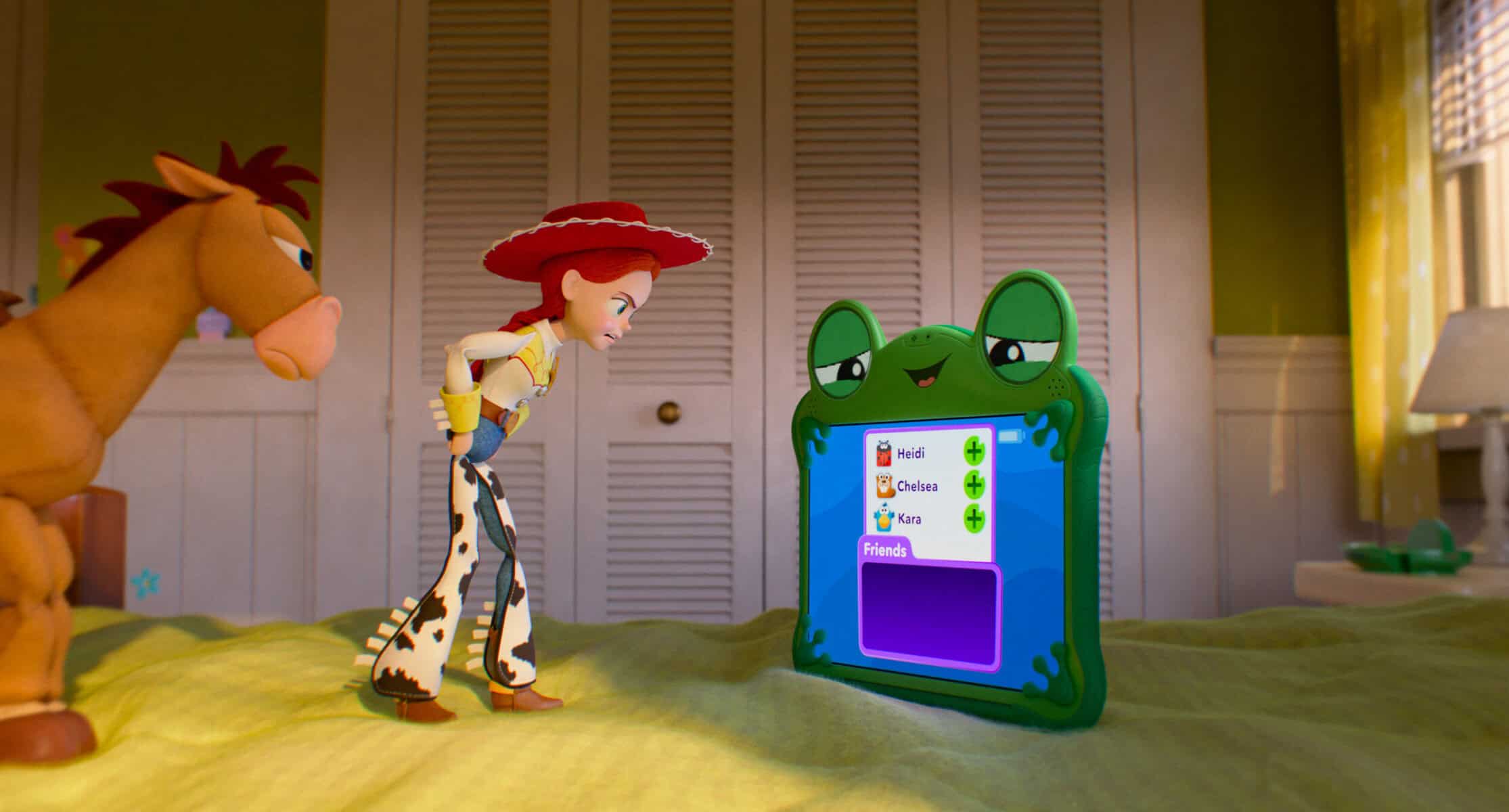
The Disney and Pixar sequel introduces Lilypad, a frog-shaped smart tablet voiced by Greta Lee, whose arrival upends the toy box and forces the old guard to compete with a screen for a child’s attention.
For cyber wellness and online safety author, speaker and strategist Rianette Leibowitz, that central conflict lands closer to home than most animated premises. Speaking to The Citizen at the time of the film’s release, Leibowitz said the tension between traditional toys and technology mirrors one of the biggest challenges she sees facing South African families today.
Screen time isn’t the enemy
Asked what she considers the top concerns around children’s digital safety and parenting in South Africa, Leibowitz pointed first to how screen time is managed, rather than treating it as inherently harmful.
“We can easily assume that screen time is a waste of time or that it’s bad, but it’s not. Screen time is not a waste of time if you choose carefully,” she said.
For younger children in particular, Leibowitz recommends content and activities with a clear beginning and end, rather than open-ended scrolling. Allowing a child to watch a single episode of a show, for instance, is preferable to an “always on” viewing culture, she explained.
Online identity and AI companions are growing concerns
Beyond screen time, Leibowitz flagged two further concrns she has tracked over the years: how children’s sense of identity becomes tied to their online presence, and the more recent rise of AI companions.
She said children can be deeply affected by how others engage with them online, particularly because they are “still learning who they are” while forming an online identity.
On artificial intelligence, Leibowitz cautioned against children placing too much trust in AI tools and companions, “instead of remembering it’s not a person”.
Don’t retire the old toys
Leibowitz was quick to note that Toy Story 5 is not an anti-technology film, but rather a story about co-existence. This is a message, she said, that carries a practical lesson for parents.
“Don’t throw all the traditional toys in a box and put it in the cupboard. Make sure that it’s available so that your children can easily access it, so that when you say, okay, screen time’s over, then the toys are ready,” she said.
She added that parents and caregivers carry the responsibility of helping children build maturity around their digital habits, which starts with modelling that behaviour themselves. In the film, she pointed out, Bonnie’s parents step in when they notice a shift in her behaviour and wellbeing linked to her attachment to Lilypad – a moment Leibowitz said real-world parents should take note of.
Like teaching table manners
On creating healthy boundaries at home, Leibowitz likened raising “responsible digital citizens” to teaching a child to use cutlery.
“We teach our children how to use a knife and fork properly. And a knife can be a weapon too, but we don’t give them a steak knife from the start. We take them step by step and expose them to a little bit more and more,” she said.
Practically, that means setting up child profiles on streaming platforms, applying age restrictions, and gradually expanding access as children demonstrate they can handle it. Leibowitz also encouraged families to use films like Toy Story 5 as a conversation starter – asking children how the toys reacted to the arrival of tech, and how Bonnie’s excitement over Lilypad made them feel.
The expert also recommended families build in device-free time, such as a daily “digital-free dinner”, and consider switching phones to silent during set hours in the evening and early morning.
“Sometimes it’s harder for parents to do than for children,” she admitted, but said the payoff is more genuine connection and time for reading, playing and simply relaxing together.
A note on privacy
Asked about data privacy, Leibowitz linked it back to the film’s theme of children wanting to spend increasing amounts of time online, which she said can open the door to oversharing personal information without children realising it.
She suggested parents reframe the conversation using a comparison children already understand: stranger danger.
“If you are playing an online game or you are taking selfies in your room and you post that, you basically have someone see your most private and personal space,” she said.
Leibowitz also addressed the awkward position many parents find themselves in – posting their own children or themselves online while restricting their kids’ access.
Her advice: limit sharing to close friends in private settings, be mindful of tagging, always get permission before posting other people’s children, and remember that even “private” posts can be screenshotted and shared further. She also flagged that blended and divorced families, in particular, need explicit conversations about what can and can’t be shared online.
Toy Story 5, directed by Andrew Stanton and co-directed by Kenna Harris, is out in South African cinemas now, starring the returning voices of Tom Hanks, Tim Allen, Joan Cusack and Tony Hale, alongside new cast members Greta Lee and Conan O’Brien.