
Gen Z are not interested in traditional love and marriage. This is why they choose friendship over romance and intentional intimacy.
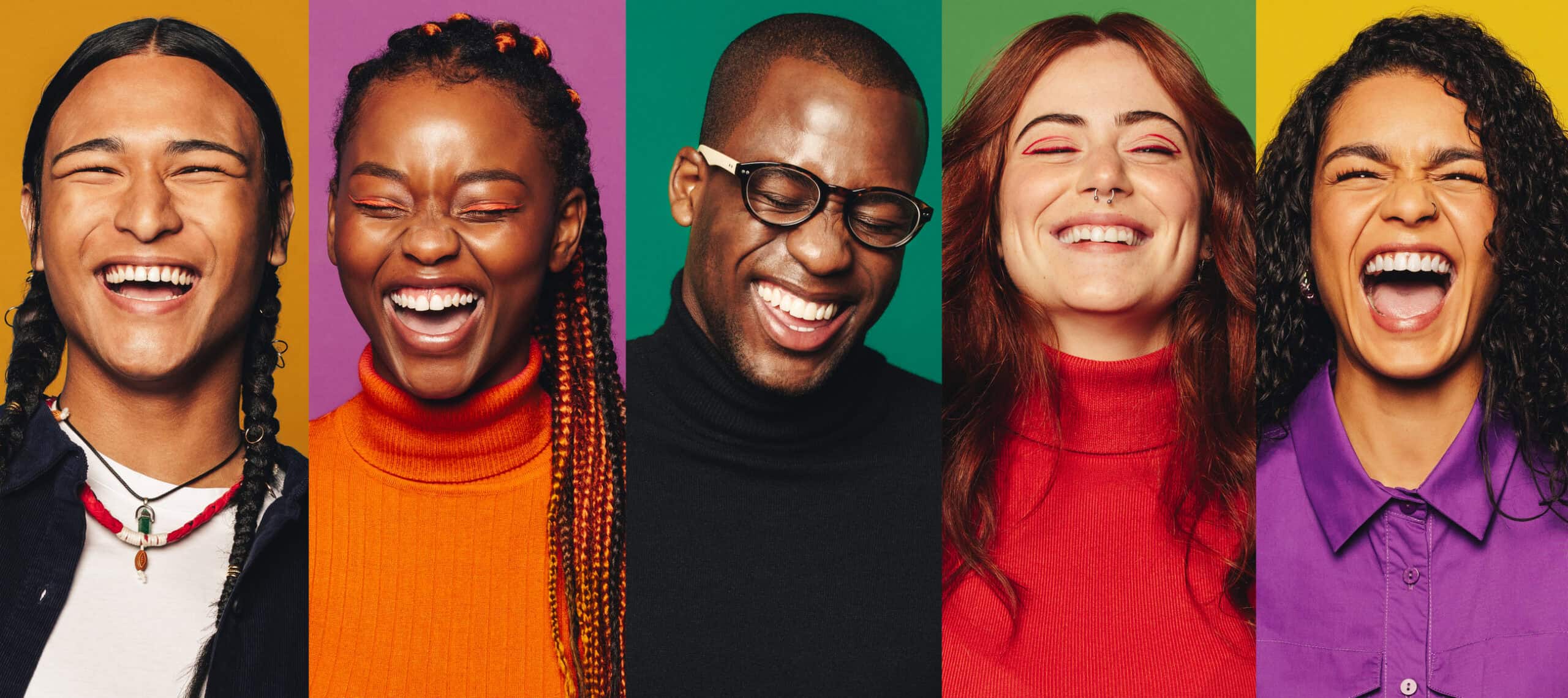
Gen Z chooses friendship over romance. Picture: iStock


Every other generation grew up with a framed picture of adulthood. Date, find a lover who becomes a partner, build a life and be monogamous.
Love, sex, a stable life path together and perhaps kids, it was all part of the equation. Gen Z is turning this all on its head.
Growing numbers of young adults are derisking traditional romantic partnerships and choosing platonic friendships as their primary emotional anchors.
Marriage rates are slowly declining at the same time, and Gen Z’s long-term friendship-based relationships are tipping scales in the opposite direction, research has shown.
It’s a concept of chosen family, creating structures that offer support, shared living and long-term commitment without romance, creating a sense of opaqueness.
It’s all changing, and Gen Z have effectively changed the way in which sex, attachment and long-term personal and emotional fulfilment play out.
Everything, including sex, is becoming a deliberate effort with reduced pressure but very clearly defined in terms of life-roles.
ALSO READ: Why Gen Z fears phones
Sex educator and certified sex coach Lisa Welsh said that these social changes amongst younger grown-ups are changing the way all kinds of boundaries are constructed.

How do Gen Zs manage intimacy in a relationship and, well, on an intimate level if the two are now mutually exclusive?
What I’m seeing is a quiet unbundling of things that were once assumed to belong together. For a long time, one romantic partner was expected to meet emotional, sexual, practical and long-term needs all at once. Many Gen Z adults are questioning whether that’s realistic.
When emotional closeness is anchored in friendship, sex becomes more deliberate. People are less likely to use sex to fill emotional gaps and more likely to engage because they genuinely want to. That can support healthier attachment, because sex isn’t carrying the weight of belonging, validation or security.
In terms of long-term fulfilment, this can be positive. Sexual satisfaction doesn’t come from frequency or permanence alone, but from alignment. When people are clearer about what sex is, and isn’t, meant to provide, their choices tend to feel more sustainable.
How does emotional separation like this impact traditions like monogamy for Gen Z?
Many are forming deep emotional bonds that don’t automatically involve sex, while keeping sexual relationships more flexible or situational.
This doesn’t necessarily mean rejecting monogamy. It does, however, challenge the assumption that emotional intimacy must equal sexual exclusivity. Commitment is increasingly defined by honesty, consistency and care rather than by traditional labels.
The key factor is clarity. When expectations are named early, this separation often reduces confusion and resentment rather than creating it.
Gen Z’s approach to platonic love, does this impact aspects like desire and performative intimacy?
Very much so. One of the biggest sources of sexual pressure is the belief that a romantic partner must be everything: best friend, emotional anchor and lover.
When emotional needs are spread across friendships and chosen family, romantic and sexual relationships often feel lighter.
Desire usually responds well to reduced pressure. When sex isn’t expected to prove love or stability, people tend to feel more relaxed and present.
This can significantly lower performance anxiety. Sex becomes less about reassurance and more about shared experience.
Does emotional safety within friendships contribute to healthier boundaries and consent practices?
Yes. Emotional safety is a strong training ground for boundaries. Friendships that involve listening, respect and repair help people practise saying yes, no and maybe without fear.
When people experience care and consent in non-sexual relationships, they’re often better equipped to communicate limits and respect boundaries in sexual ones. In that way, strong friendships quietly support healthier sexual decision-making.
How might friendship-based life partnerships influence the future of long-term intimacy, especially for Gen Zs who choose romance as an optional extra?
Friendship-based partnerships invite a broader view of compatibility. Instead of asking whether one person can meet every need, people ask whether their relationships, collectively, support the life they want.
For people who see romance as optional, sexual compatibility may be more fluid over time. Sex may occur in different relational contexts without being tied to permanence. That doesn’t make it less meaningful; often, it makes it more honest.
Long-term fulfilment, in this model, comes from self-knowledge, choice and flexibility rather than from a single prescribed relationship structure.
NOW READ: Gen Z workwear in 2026
Support Local Journalism
Add The Citizen as a Preferred Source on Google and follow us on Google News to see more of our trusted reporting in Google News and Top Stories.