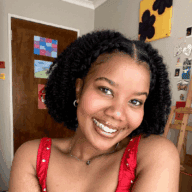
Western Cape Health Minister says the 3D printer cuts the waiting time for a new brace from two weeks to just two days.
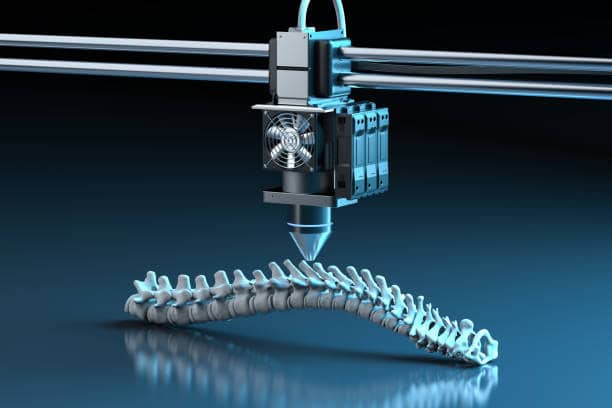
Picture: iStock


The Western Cape Department of Health and Wellness has launched a new digital 3D scanning and printing service for spinal braces at its Orthotic and Prosthetic Centre (OPC), marking a significant step towards innovative, patient-centred care in the public health sector.
Mireille Wenger, the Western Cape minister of health and wellness, said a spinal brace can make a meaningful difference to the quality of life for many patients living with scoliosis, spinal injuries and other conditions.
“These braces help to reduce pain, support recovery, and prevent further complications,” Wenger said.
‘Game Changer’
The new 3D printer is a game changer for patients, cutting waiting time from two weeks to two days.
“For children with scoliosis, getting a brace early can help prevent the curve in their spine from getting worse as they grow.”
First public hospital
Wenger said the R5.5 million investment in the technology and machinery has already helped six patients.
“As one of the first government healthcare facilities to offer this service in-house, we are using innovation to help patients get the care they need, sooner.”
Using 3D scanning technology, patients can now be scanned while standing and wearing light clothing. The process takes a few minutes.
The scan is then digitally modified by clinicians, and the brace is produced using 3D-printing technology, resulting in a lighter, more precise and more comfortable device.
Wenger explained that the shorter turnaround time means patients with conditions such as scoliosis, pectus carinatum (pigeon chest), spinal tuberculosis, compression fractures of the spine and spondylosis can receive supportive devices within 48 hours at less than half the cost of a traditional plaster-of-Paris-based brace.
The 3D brace was launched on 5 November, on International Prosthetics and Orthotics Day.
14-year-old receives new brace
One of the first recipients to receive a 3D-printed brace is a 14-year-old named Nashita Stellenboom.
Born prematurely at 27 weeks, doctors were concerned about a number of potential health complications.
Her mother, Nailah, explained that they discovered she has scoliosis following a nagging cough at 10 years old, resulting in a chest X-ray.
‘Much lighter’
Nashita said that she had been wearing a brace for the past four years.
“But they were always the heavier plaster of Paris braces. This is much lighter.”
She explained that wearing a brace had given her more confidence.
“It has helped my posture and pain in my back, and I can now do so much more. I can even play sport,” she said.
Adjusted braces
Nashita will continue to receive adjusted braces as she grows until she turns 18.
Nailah added that they were offered corrective back surgery or a brace, but chose to give the brace a chance.
“The brace has helped her back so much. Her spine is improving,” Nailah said.
Improvements
Nailah explained that before the brace, she sometimes saw her daughter crying and lacking confidence.
“And this is when I knew I needed to encourage her to wear the brace.”
“Surgery is not always the only option, and we are so happy that we decided on the orthotic brace,” she explained.
Advanced technology
OPC facility manager Bongani Mlambo said the technology would help improve patient care.
“We are not just launching a printer; we are launching a new way of working,” Mlambo said.
“This is how we become leaders in rehabilitation.”
“We are the first state facility to do this,” he reiterated.
“It is a first on the African continent, and we will not be the last, because we will show others the way.”
“Most importantly, this printer is for the patients,” Mlambo said.
“They are the reason we are here,” he added.
Innovation
“Everything we print will be to improve the lives of our patients through providing comfortable, unique orthoses and prostheses to improve lives.”
Mlambo explained that this innovation is particularly important for children and adolescents receiving scoliosis treatment, as well as patients recovering from spinal surgery or trauma.
By improving comfort and fit, the service aims to support better treatment adherence and, ultimately, better health outcomes.
Only Orthotic and Prosthetic Centre
According to Wenger, the OPC is the only Orthotic and Prosthetic Centre in the public system in the Western Cape, producing and manufacturing bespoke orthoses and prostheses and services.
Patients across the province access services from the OPC, except in the Eden District, which has a private facility providing the service to the community.
“The centre currently provides 112 outreach services in various satellite locations in the Western Cape.”
Services are provided through referrals from specialists or medical officers on an appointment basis.