
Kruger National Park warns that reckless tourists on closed roads will face fines and rescue costs
Disregarding warning signs and getting stranded diverts critical ranger teams and aircraft away from essential conservation work.
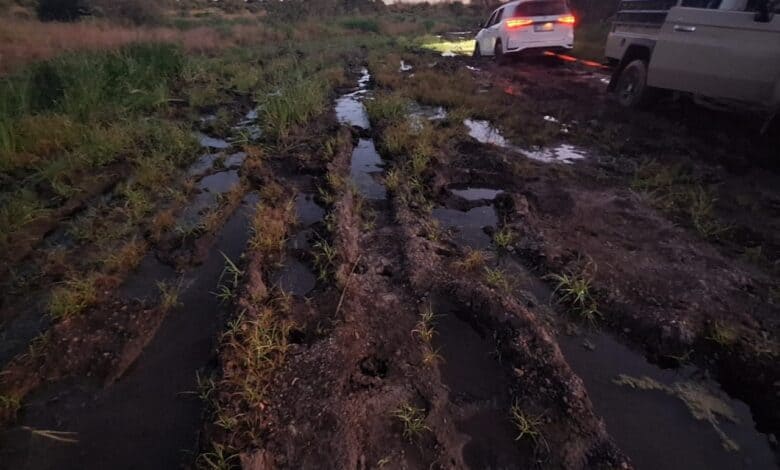
Motorists illegally reopening closed roads in Kruger National Park are putting lives at risk and leaving themselves stranded.
The General Manager of Communications at KNP, Rey Thakhuli, acknowledged that while people’s lives are a priority in emergency situations, guests who deliberately open closed roads and get stuck may be fined and held accountable for search and rescue costs.
ALSO READ: WATCH: Kruger National Park flags driver after vehicle off-roads near lions
“Not only is this a contravention of the National Environmental Management: Protected Areas Act 57 of 2003, but it also misleads other visitors into driving through when they find closed roads illegally opened, putting all involved parties at great risk. The situation has reached a stage where the park ends up spending a lot of resources, thereby incurring costs from the search and rescue operations undertaken,” he said.
Reckless driving drains conservation resources
Thakhuli added that apart from redirecting fuel, road repairs, rangers, and air services away from conservation efforts, tourists driving on closed roads further damage infrastructure, increase maintenance costs and delay road reopenings after wet weather.
ALSO READ: Tourist fined in Kruger National Park for exiting car near lions
“In a typical missing tourist incident where the location of the tourists is unknown, a minimum of four ranger vehicles and eight rangers are deployed to search until the tourists are located. This significantly increases operational costs and places additional pressure on already limited resources,” Thakhuli added.
Joint operations centre launches searches for missing guests
He added that these actions cause panic among staff expecting the guests, as well as family members, prompting them to report guests missing when they fail to arrive at their booked camp.
Due to limited cellphone network coverage in the park, guests or staff cannot always call for assistance when stranded.
Once a tourist is reported missing, the Mission Area Joint Operations Centre (MAJOC) checks camera detection systems, alerts ranger sections and, if necessary, deploys SANParks aircraft to locate them.