Black Mambas to travel to New York to receive top award
The Black Mambas are a shining example of the promise of government, the private sector and communities to eradicating rhino poaching in South Africa
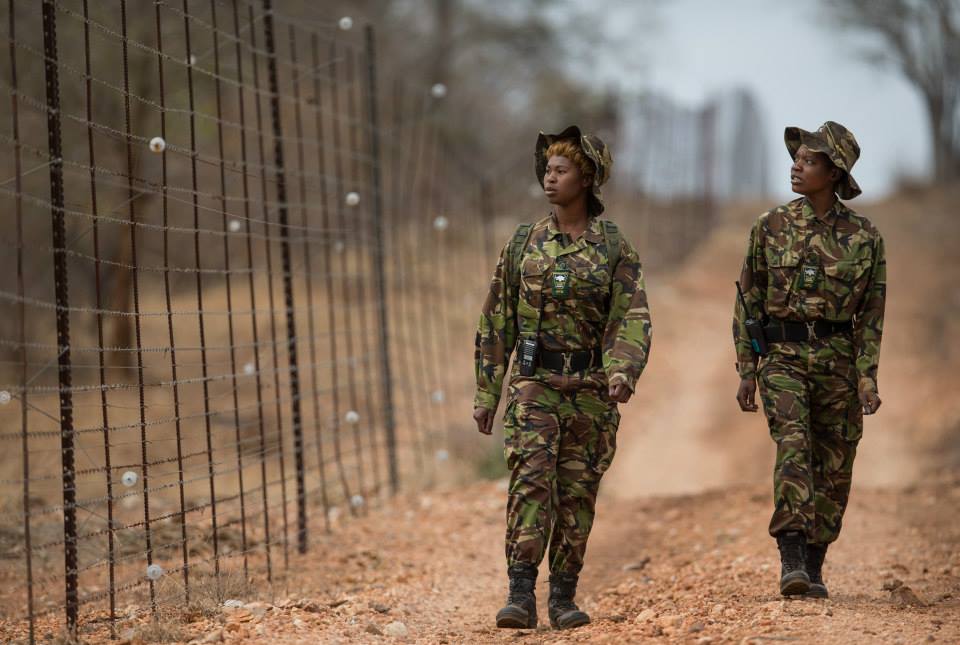
SKUKUZA – The 26-member Black Mamba anti-poaching unit has received the United Nations’ top accolade – the Champions of the Earth Award.
It is the second time that these elite members have been honoured for their hard work this year. They will travel to New York later this month to accept the award.
Also read: State prosecutors and King Mswati III share the spotlight
Earlier today the United National Environment Programme (Unep) announced that the Black Mambas have won the Champions of the Earth Award in the inspiration-and-action category. Unep, in announcing the award, has recognised the “rapid and impressive impact the Black Mambas have made in combating poaching and the courage required to accomplish it”.
Minister of environmental affairs, Ms Edna Molewa, has congratulated the unit with this prestigious award.
“The Black Mambas are a shining example of the promise of government, the private sector and communities to eradicating rhino poaching in South Africa. I, and all South Africans, salute these young women who all come from communities close to the Balule Game Reserve and the Kruger National Park who have shown dedication and commitment to the conservation of our natural world,” Molewa said.
Also read: Mambas more effective in preventing poaching
The unit not only focuses on conducting anti-poaching operations, but also educates communities in the area on the benefits of conservation and rhino protection. “Much has been said of involving communities in conservation. The Department of Environmental Affairs is achieving this through the Environmental Monitors Programme initiative,” Molewa added.
The department is working with various stakeholders, including other government departments and SANParks, to create economically viable models to make communities less vulnerable to being recruited by poaching syndicates.
Through the Expanded Public Works Programme’s environmental monitors, a unit such as Black Mambas provides additional support to the conservation corps through patrolling and monitoring.
“The introduction of environmental monitors into areas facing high numbers of poaching incidents has played a demonstrable role in combating this crime through their work of educating communities in the area on the benefits of conservation and rhino protection,” Molewa continued.
“Community-led initiatives are crucial to combating the illegal trade in wildlife, and the Black Mambas highlight how effective local knowledge and commitment can be,” said United Nations under secretary general and Unep executive director Mr Achim Steiner.
“Their many successes over the past few years serve as inspiration for the coming global challenge of ensuring sustainable development, particularly for goal 15 on preserving ecosystems, and show that we all can make a difference with sufficient courage and determination.”
The award will be handed to the unit by the secretary general of the United Nations, Mr Ban Ki Moon, in New York on September 27.




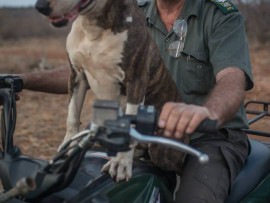

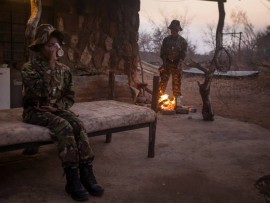
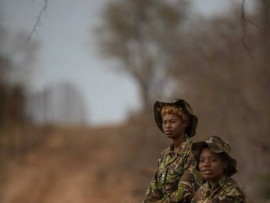

This group, comprising 25 women and one man, also won the best conservation practitioner category of the annual Rhino Conservation Awards, hosted by the department and the Game Rangers Association of Africa, on July 27.
The unit was established in 2013 to protect the Olifants West region of the Balule Nature Reserve, creating a barrier between Kruger, which bears the brunt of rhino poaching, and poachers.
The Black Mamba Anti-Poaching Unit is one of 20 such teams, comprising 1 355 environmental monitors, in parks across South Africa. It is an initiative of the department, administered through the SANParks’ Kruger 2 Canyon initiative.
Molewa praised the team members for their work, and for the manner in which they are doing their work.
“We should also praise the partners who work with the department in the implementation of the work being done by these gallant and brave young women, notably the Kruger 2 Canyons programme, and the Balule management,” said the minister.
Since the unit was deployed at the Balule Game Reserve, only four rhino have been poached. The group has assisted in the arrest of six poachers, reduced snaring of other wildlife by 76 per cent, removed over 1 000 snares and broke down dive poachers’ camps and two bush-meat kitchens.