Water crisis escalates: Mbombela’s ageing infrastructure and power instability fail residents
Mbombela, White River and Umjindi face ongoing water outages blamed on ageing infrastructure, power instability and maintenance failures.
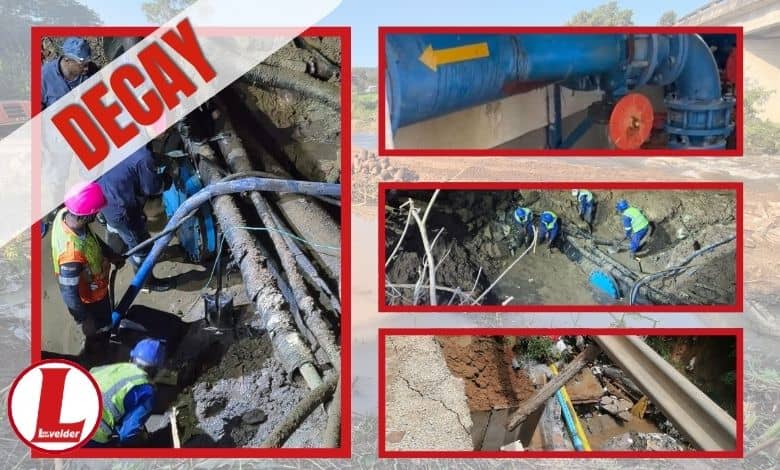
Residents across Mbombela, White River, and Umjindi continue to endure prolonged and recurring water outages despite high dam levels and repeated assurances from authorities.
Interviews and written responses from Silulumanzi, municipal officials and DA representatives point to a complex web of ageing infrastructure, electricity instability, deferred maintenance, weakened contractual obligations and chronic funding delays.
When Silulumanzi first entered into a concession agreement to manage Mbombela’s water and sanitation services, the contract contained strict maintenance and investment clauses. Renewal required detailed accounting of completed and pending work.
However, after Silulumanzi was sold to a new holding entity, the renewed agreement excluded the original maintenance clause, weakening enforceable obligations around long-term asset care.
Opposition parties warn the system is nearing the end of the concession period with degraded infrastructure, raising concerns about the condition in which assets will revert to the City of Mbombela (CoM).
ALSO READ: White River remains in the grip of water shortages
A reported R500m capital inestment commitment was allegedly reduced to about R130m, fuelling fears that upgrades were deferred.
Nels River leak and Boschrand pipeline
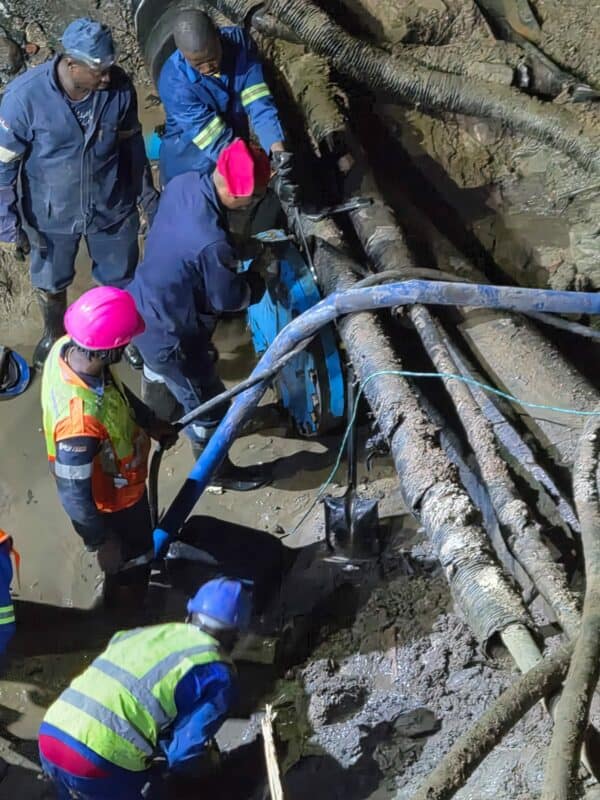
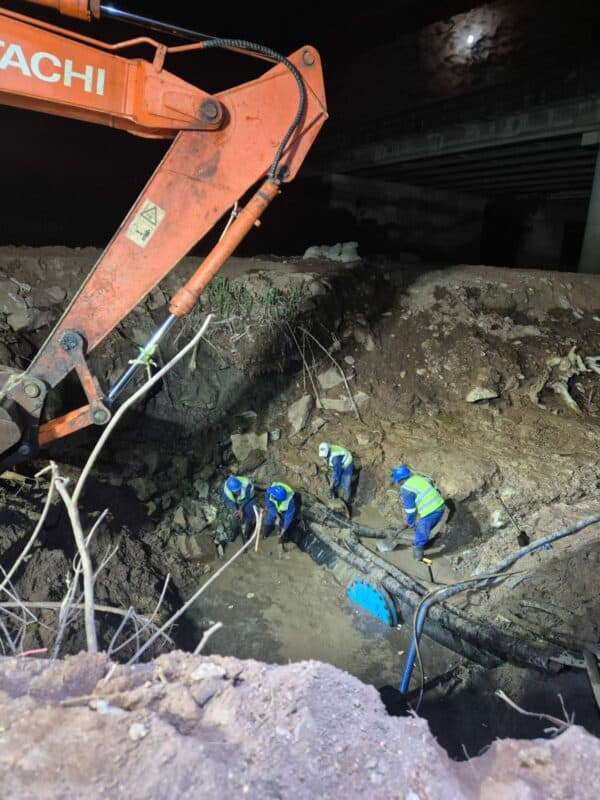
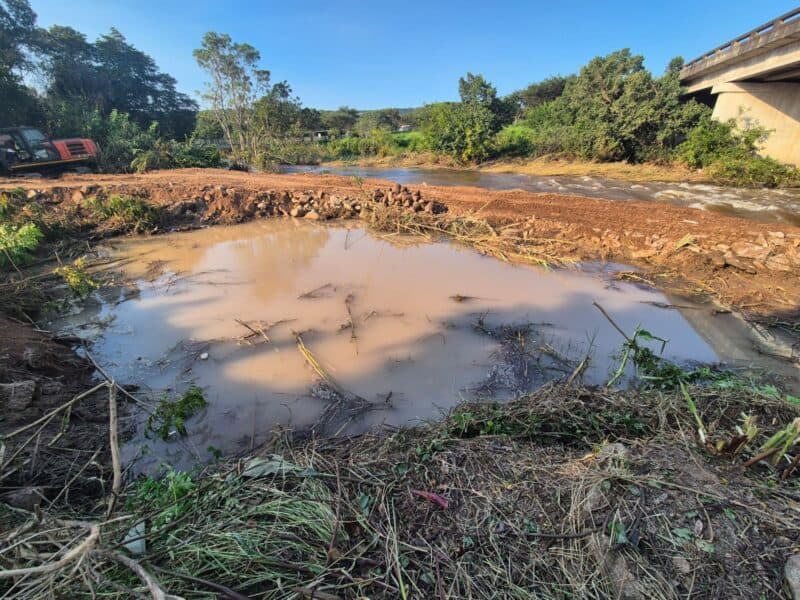
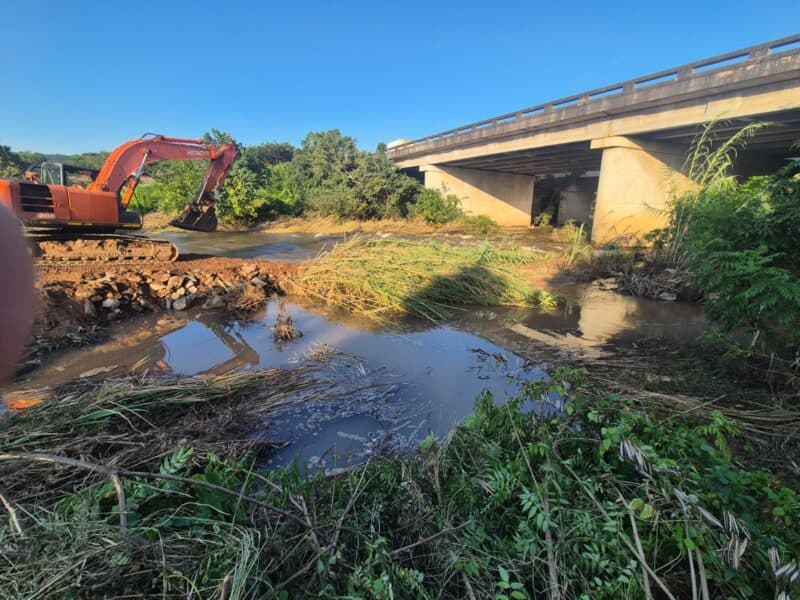
Silulumanzi spokesperson Richmond Jele highlighted the scale of the damage at the Nels River leak, pointing to exposed electrical cables and water infiltration complicating repairs.
The January to February 2026 disruptions attributed to a severe leak beneath the river, reducing Boschrand pumping capacity to 50%.
From January 1 to 4, the Nelspruit Water Treatment Works (NWTW) was completely offline due to a cable fault on the CoM’s electricity supply, leaving the system without water for four days.
ALSO READ: Months-long water issues the final straw for White River residents
Chronic electricity instability has compounded failures, with the missing 132kV bulk feeder line still unfunded. Estimated at R56m, only R5m has been approved for 2025/26.
About R54m has already been spent on a substation that cannot be energised, leaving infrastructure exposed to vandalism and theft.
Councillors argue that weak co-ordination between Silulumanzi and municipal water services has resulted in reactive crisis management, rather than stabilisation.
On February 5, Jele confirmed repairs to the Boschrand pump line had been completed overnight, with Rocky Drift and surrounding communities expected to receive water progressively that day.
ALSO READ: Water shortages hit Mbombela following persistent power outages
Backup generators are installed at key stations, but Silulumanzi says NWTW’s energy demand is too high for a full-capacity generator to be viable.
Negotiations are underway for an alternative electricity feed with the municipality.
Ageing infrastructure and maintenance gaps
Silulumanzi estimates the average age of water pipelines at 50 years, with bulk pipelines in Mbombela ranging between 15 and 30 years, and the White River Augmentation Scheme at about 15 years.
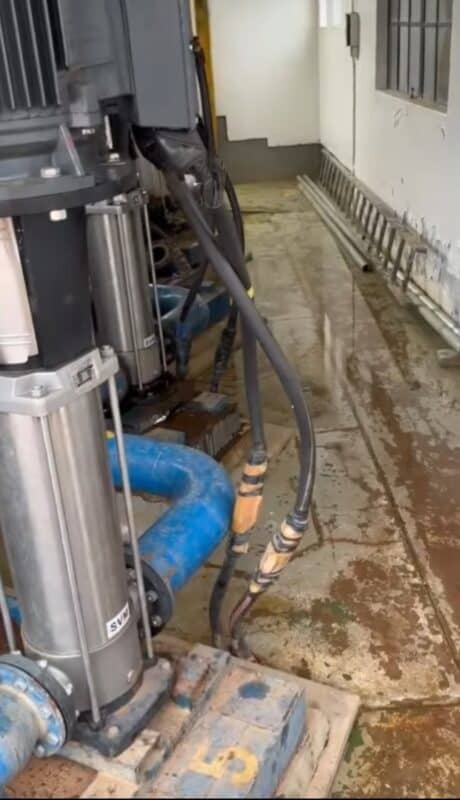
Preventative maintenance is conducted daily to monthly on mechanical components, though comprehensive audits have only recently begun.
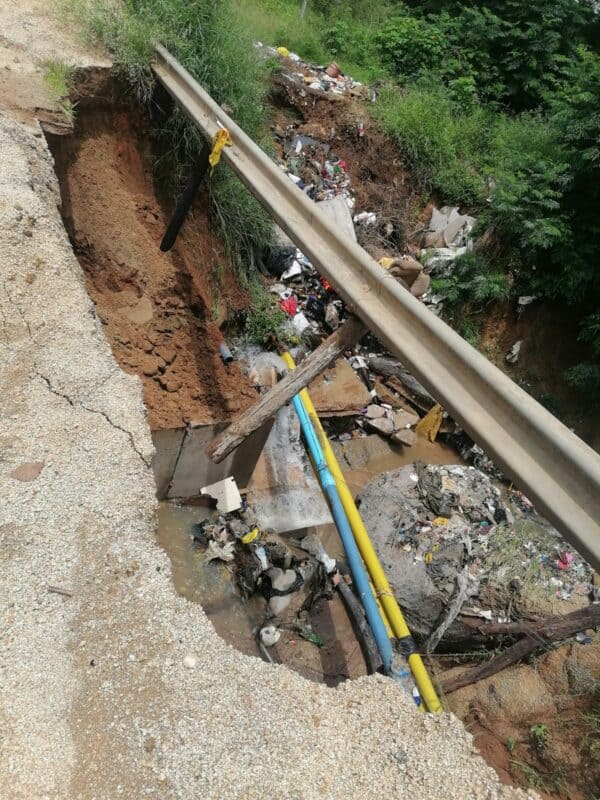
Cable theft and vandalism remain major contributors to outages, while repeated power interruptions accelerate pipe failures due to pressure fluctuations.
ALSO READ: White River water shortages persist
DA councillor Philip Minnaar issued repeated demands for urgent intervention, warning that large parts of Umjindi have lacked reliable water for nearly eight years. Despite Lomati Dam levels nearing 96%, residents continue to face daily interruptions.
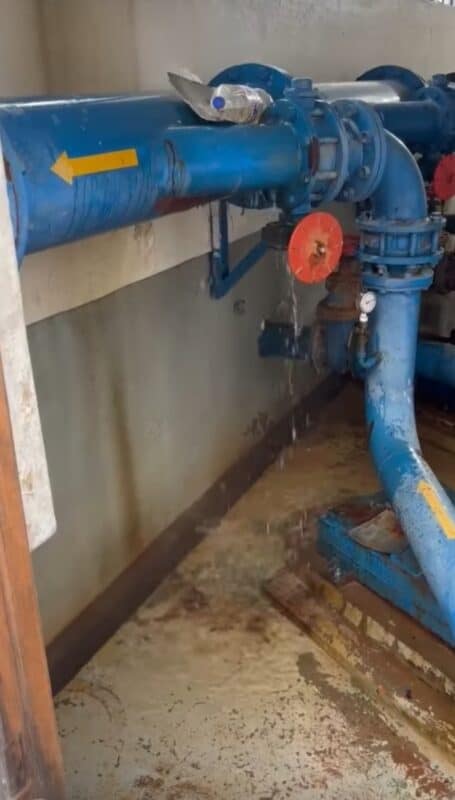
Councillors argue the problem is not raw water availability but insufficient purification and pumping capacity.
Key failures identified:
• Suidkaap purification plant non-operational for months due to stalled upgrades.
• Suidkaap pump station is idle because of neglected maintenance and delayed pump replacement.
• Rimers purification plant operating below capacity, leaving a shortfall of 6 to 8 megalitres per day.
• Confusion over contractor roles, responsibilities, and timelines.
DA councillor Rowan Torr described the situation as a humanitarian crisis, with residents forced to rely on tanker deliveries while health risks and economic disruption escalate.
In correspondence dated January 7 and February 8, Minnaar criticised the lack of response from the executive leadership of the CoM, despite extreme heat conditions and escalating community distress.
He pointed to ongoing failures at the Suidkaap and Rimers plants as key contributors to the prolonged outages, calling for emergency water delivery, full restoration of infrastructure, transparent action plans, and independent oversight.
Across regions, a consistent pattern emerges:
• Long-term capital investment deferred or diluted.
• Electricity dependency without resilient redundancy.
• Assets age faster than they are renewed.
• Contractual frameworks that critics say prioritised short-term continuity over long-term sustainability.
CoM response
Joseph Ngala, CoM spokesperson, provided a written response addressing infrastructure conditions, accountability, and funding.
He said the municipality assesses water and sanitation infrastructure through operations and maintenance plans, updated water services development plans, and annually reviewed master plans.
According to Ngala, Mbombela’s drinking water systems continue to meet quality standards and have received multiple Blue Drop awards, with an overall municipal score of 69.3%.
ALSO READ: Silulumanzi achieves four Blue Drop awards
Ngala acknowledged that electricity instability and load-shedding directly affect abstraction, treatment, pumping, and system operations, resulting in outages during prolonged power interruptions.
He said the CoM is making budgetary provisions for backup power at critical infrastructure points and upgrading electrical infrastructure to improve reliability.
Funding is allocated through national conditional grants, including MIG, WSIG, INEP and RBIG, with details reflected in the CoM’s IDP and budget documents.
On accountability, Ngala said incidents are managed through operational reporting, escalation to senior management, and corrective actions aligned to the CoM’s plans.
Responses are handled case by case rather than uniformly.
He emphasised the municipality’s commitment to continuous improvement through strategic investment and monitoring to protect public health.
Opposition demands
Silulumanzi says it remains committed to service reliability and investment. However, DA representatives are calling for:
• Immediate repair of critical leaks and pump failures.
• Full restoration of treatment works.
• Transparent disclosure of infrastructure conditions and upgrade plans.
• Urgent budgetary prioritisation to match population demand.
Werner Weber, VF Plus member of the Mpumalanga Provincial Legislature, has consistently warned that the failures in Mbombela and the wider Lowveld reflect systemic decline rather than isolated glitches.
He argues the crisis is rooted in ageing infrastructure, limited upgrades and maintenance backlogs, compounded by governance failures, mismanagement, illegal connections and financial irregularities flagged by Auditor-General reports.
According to Weber, these issues create a negative snowball effect, eroding service delivery and public trust.