Tourism and parks agency clears the air after Tswale’s controversial move
The Mpumalanga Tourism and Parks Agency outlined the regulations that must be adhered to when applying for a permit.
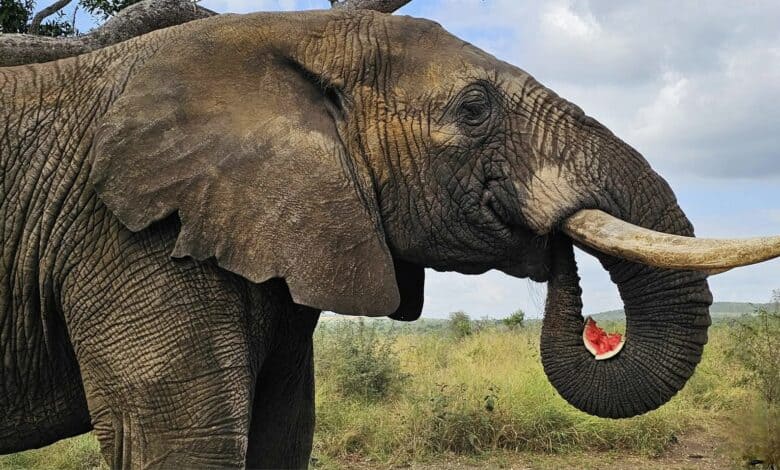
The stringent rules and regulations surrounding the ownership of, trading in and interaction with South Africa’s Big 5 have come under intense scrutiny following the controversial removal of the well-known elephant, Tswale, from Lowhills.
Over the past few weeks, the legality of this action has been heavily debated.
A social media storm erupted, questioning the legality of Tswale’s removal. Some keyboard warriors claimed the removal occurred without the owner’s permission, thus constituting “illegal hunting”.
ALSO READ: Tswale the elephant: Shofeeds’ lawyers seek to ‘set record straight’
Sonell Joubert, currently in custody for her alleged involvement in a murder, had claimed ownership of Tswale after reportedly purchasing the elephant for R1m.
This week, the Mpumalanga Tourism and Parks Agency (MTPA) clarified the procedures for keeping such animals for exhibition, educational interaction and breeding purposes.
“To sell, buy, keep and use an animal – whether for breeding, human interaction, education, entertainment or conservation – one must have a permit,” said April Lukhele, the MTPA’s compliance officer.
The well-known educational elephant from Lowhills, Tswale, was removed from the premises earlier today. #tswale
Read more here: https://t.co/fTZlZa2d5N— Lowvelder (@Lowvelder) February 21, 2025
He outlined the numerous regulations that must be adhered to when applying for a permit.
ALSO READ: New life winking for Tswale the Lowhills elephant
Authorities conduct various inspections upon receiving an application, to ensure adequate facilities, feeding, healthcare and the safety of both the animal and the public.
A study published by the NSPCA noted that the owners might also be required to have liability insurance for potential accidents or damages caused by the animals.

Lukhele emphasised that these regulations are enforced by legislation of the Department of Forestry, Fisheries and the Environment. Permits are only issued once authorities have been assured of the animal’s welfare.
ALSO READ: A storm erupts: Tswale’s future uncertain
The Tswale/Joubert case has sparked significant public debate. Lukhele confirmed that while Joubert applied for a permit after acquiring Tswale, the application was declined due to incomplete information, including a lack of proof of funds for the animal’s care.
Key findings from the MTPA investigation include:
• The only legally issued permit was for KwaMadwala Lodge, where Tswale was used for elephant-back safaris.
• A temporary permit was issued to relocate Tswale to Shikondo Game Farm, but this relocation never happened, leading to an illegal sale.
• Joubert did not have the required permits to buy or use Tswale for human interaction, nor did she have liability insurance.
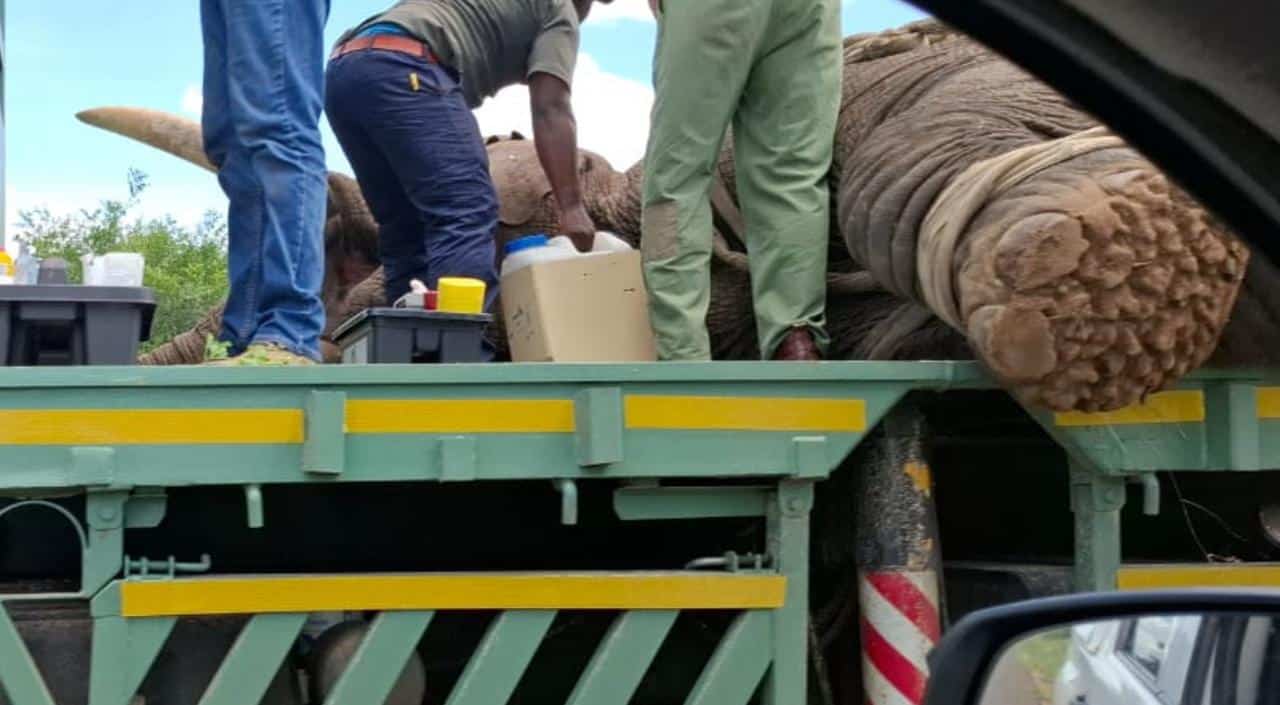
The removal of Tswale has been fraught with legal battles as Joubert and her partner, Johan Möller, refused to vacate the farm sold in a liquidation sale. The new owners secured a court order for Tswale’s removal, which was eventually carried out after delays due to weather concerns.
Return Tswale the Elephant to His Home and Legal Owner!! – Sign the Petition! https://t.co/TLZ0Ox4C55 via @ChangeorgSA
— Athalie (@AthalieRussell1) February 23, 2025
Three weeks ago, the court order for relocation was reconfirmed and Tswale was safely moved to an undisclosed location.
Möller did not respond to questions about the R1m payment for Tswale or the permit issues, but requested a meeting with Lowvelder.
Dispute erupts over privately owned elephant near Hectorspruit https://t.co/oTOXOA1Ogt The Pro Elephant Network has raised their concerns for the safety of Tswale elephant who is utilised without any elephant management plan or any valid permits that we can accurately determine.
— PRO ELEPHANT NETWORK (@ProEleNetwork) March 2, 2024