Mounting state debt tests City of Mbombela finances
The City of Mbombela’s state-owned debt has risen from R158 million in 2021 to nearly R260 million by mid-2025, raising urgent concerns over financial sustainability, as long-overdue arrears now make up the vast majority of the total balance
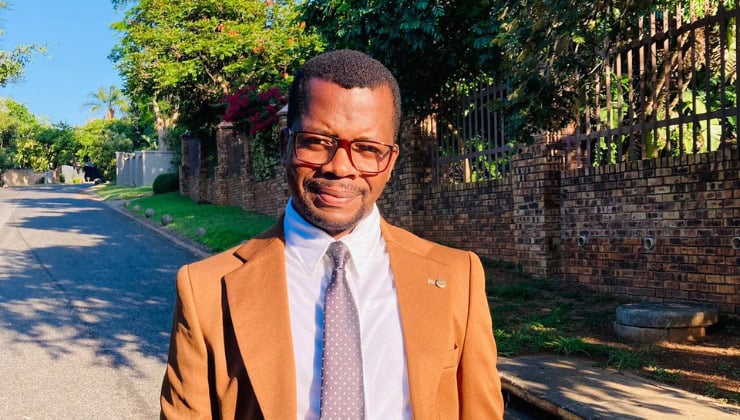
The growing debt owed by state departments and entities to the City of Mbombela (CoM) has sparked renewed debate about accountability, equal enforcement of municipal policies, and the financial sustainability of the municipality.
Recent figures tabled before the council indicate that debt owed by state organisations has increased substantially over the past several financial years.
In the 2020/21 fiscal year, outstanding debt stood at approximately R158m, with just over R54m older than 90 days.
By June 2025, the amount had reportedly increased to nearly R260m, with more than R207m older than 90 days, reflecting significant growth in long-overdue accounts.
The issue came to a head when DA caucus leader and councillor Robert Dlamini submitted a motion in council calling for the termination of municipal services to state departments and entities whose accounts are in arrears, in accordance with national legislation and the CoM’s adopted Credit Control and Debt Collection Policy.
ALSO READ: Mpumalanga Sopa: Promises made but concrete plans missing
The motion was not supported by the council.
Section 96 of the Municipal Systems Act places an obligation on municipalities to collect all money that is due and payable, while Section 97 requires municipalities to implement and enforce a credit control and debt collection policy.
The CoM’s own policy provides for the restriction or termination of services where accounts remain unpaid beyond prescribed periods. In practice, private residents and businesses may face disconnection when accounts are in arrears for more than 90 days.
As of early 2026, total outstanding debtor balances across the CoM reportedly exceed R1.7b, with more than R1.4b older than 90 days.
ALSO READ: Premier to set out 2026 plan for Mpumalanga
At the same time, residents have raised concerns about deteriorating service delivery, including water interruptions, electricity supply issues, and infrastructure maintenance backlogs.
“The debate has therefore moved beyond accounting figures to broader questions of fairness and sustainability: Can a municipality effectively deliver basic services while carrying escalating unpaid debt from state institutions? And does selective enforcement undermine public confidence in municipal governance?” asked Dlamini.
Speaking after the motion was rejected, Dlamini indicated that he would give the CoM 30 days to take corrective action. Failing that, he stated that the DA would lodge a formal complaint with the Public Protector for investigation.
Such a complaint would centre on whether the municipality is fulfilling its statutory obligations under national legislation and whether council decisions are consistent with binding financial governance frameworks.
Lowvelder submitted questions to the Department of Public Works and Infrastructure, which is responsible for managing many government-owned properties.
These questions included whether a budget was allocated for municipal services at the affected government complexes and why accounts are in prolonged arrears.
Similarly, written clarity was sought from the CoM regarding what recovery mechanisms are currently being implemented against state entities, and whether any services to government departments have been restricted in recent years. At the time of going to press neither entity had responded.