Sabie residents vent anger as town goes down the drain
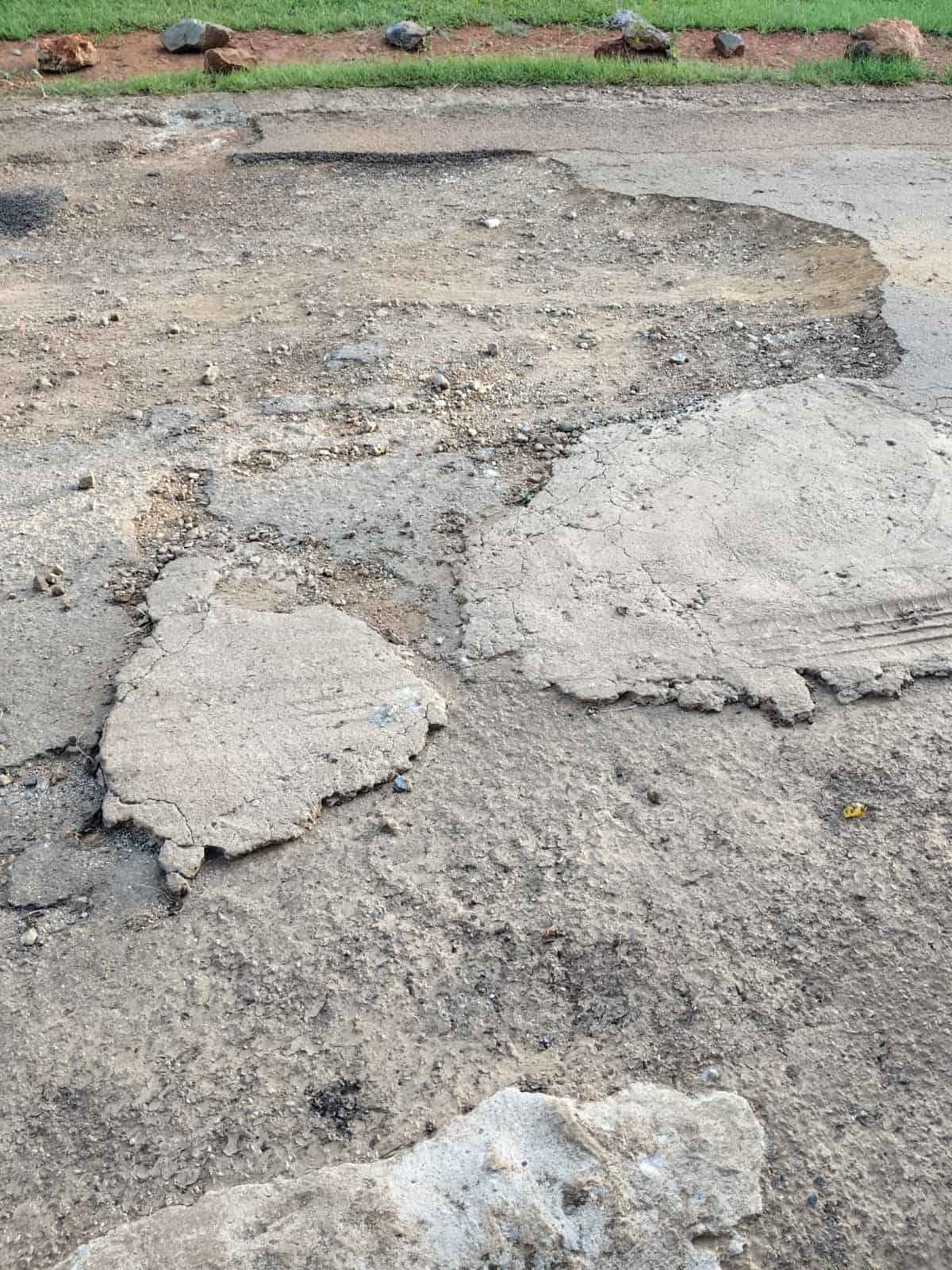
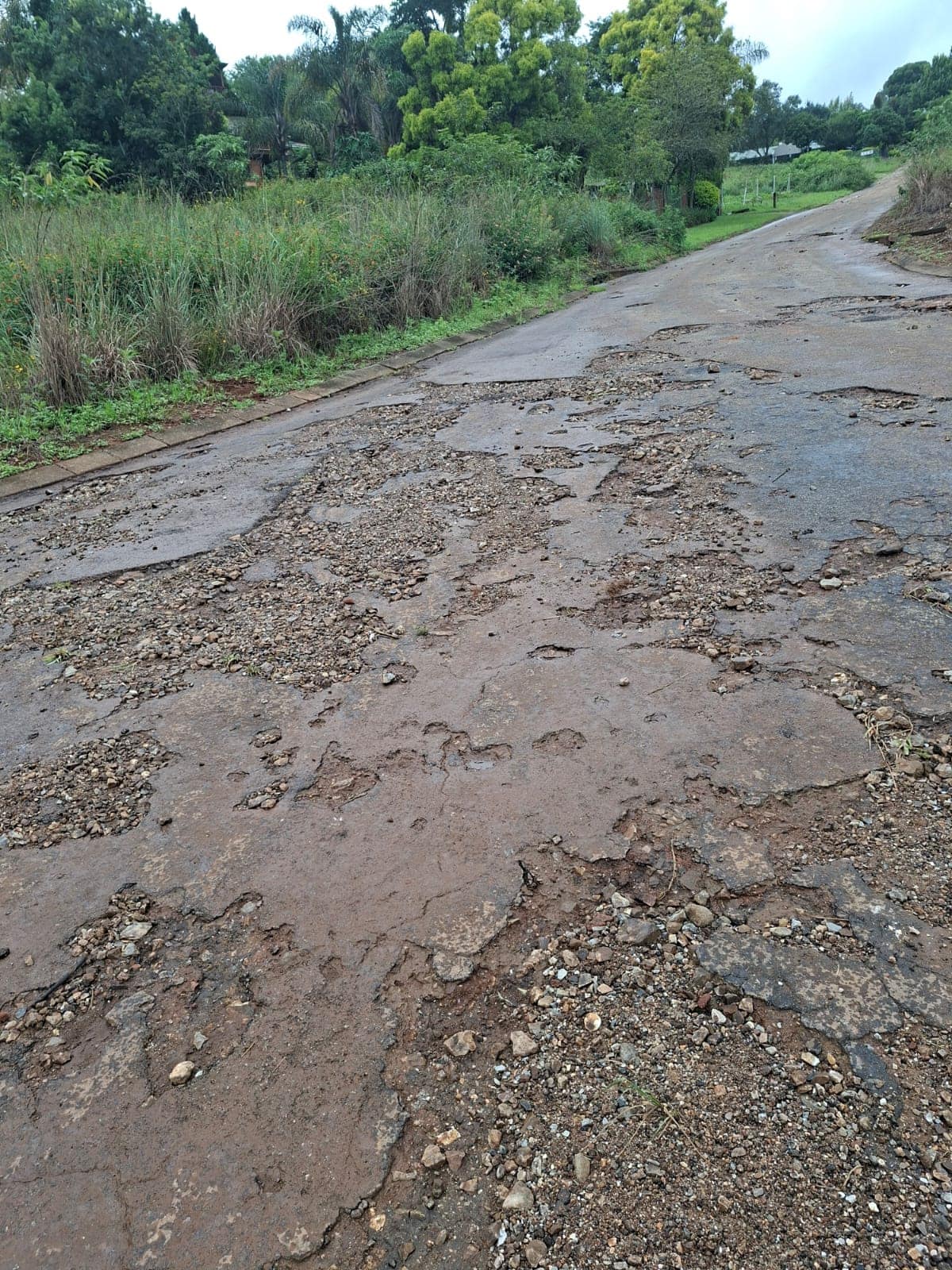
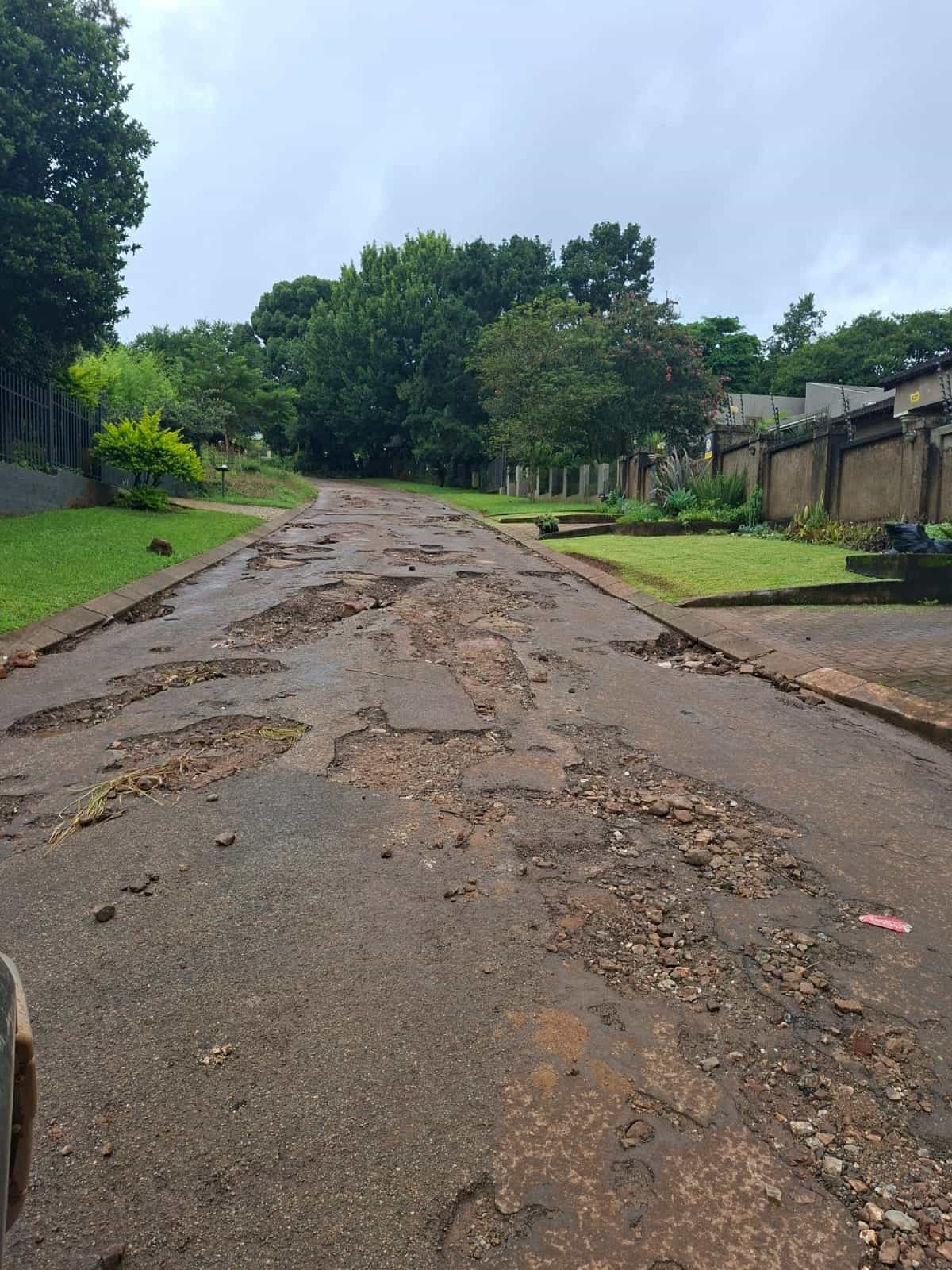
Most streets in Sabie are riddled with potholes, and in some areas, the tar has worn away completely due to lack of maintenance.
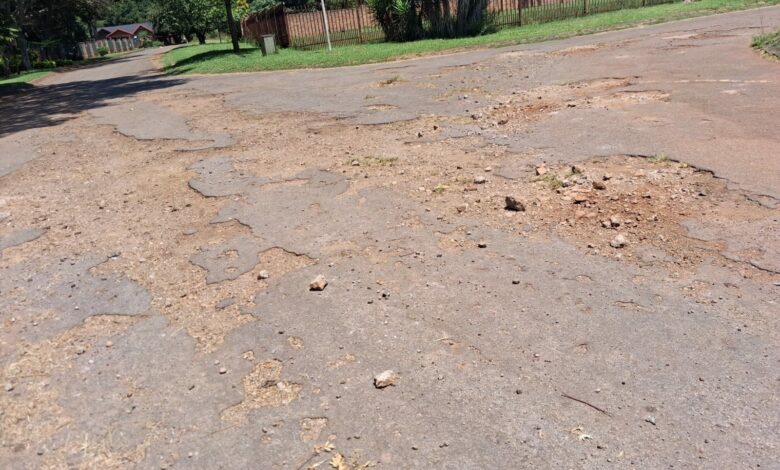
This picturesque town with its long and illustrious history, once a jewel in Mpumalanga’s crown, is now crumbling.
Residents have reached breaking point and said they are gatvol with the catastrophic state of the roads. Once a scenic destination and tourism hub, Sabie is now a navigational nightmare. Streets are so degraded, local drivers have given up referring to the damage as potholes.
One resident, Jaco Dreyer, said complaints that have been lodged with the Thaba Chweu Local Municipality (TCLM) for years have fallen on deaf ears.
“Road verges are completely overgrown, turning simple intersections into high-risk guessing games for motorists. Across many areas the road exists in name only, as the tar has totally worn away, making it impossible to drive on. Despite consistent reporting, no long-term repairs have been initiated, leaving the community feeling abandoned by local government,” he said.
ALSO READ: Mpumalanga Sopa: Promises made but concrete plans missing
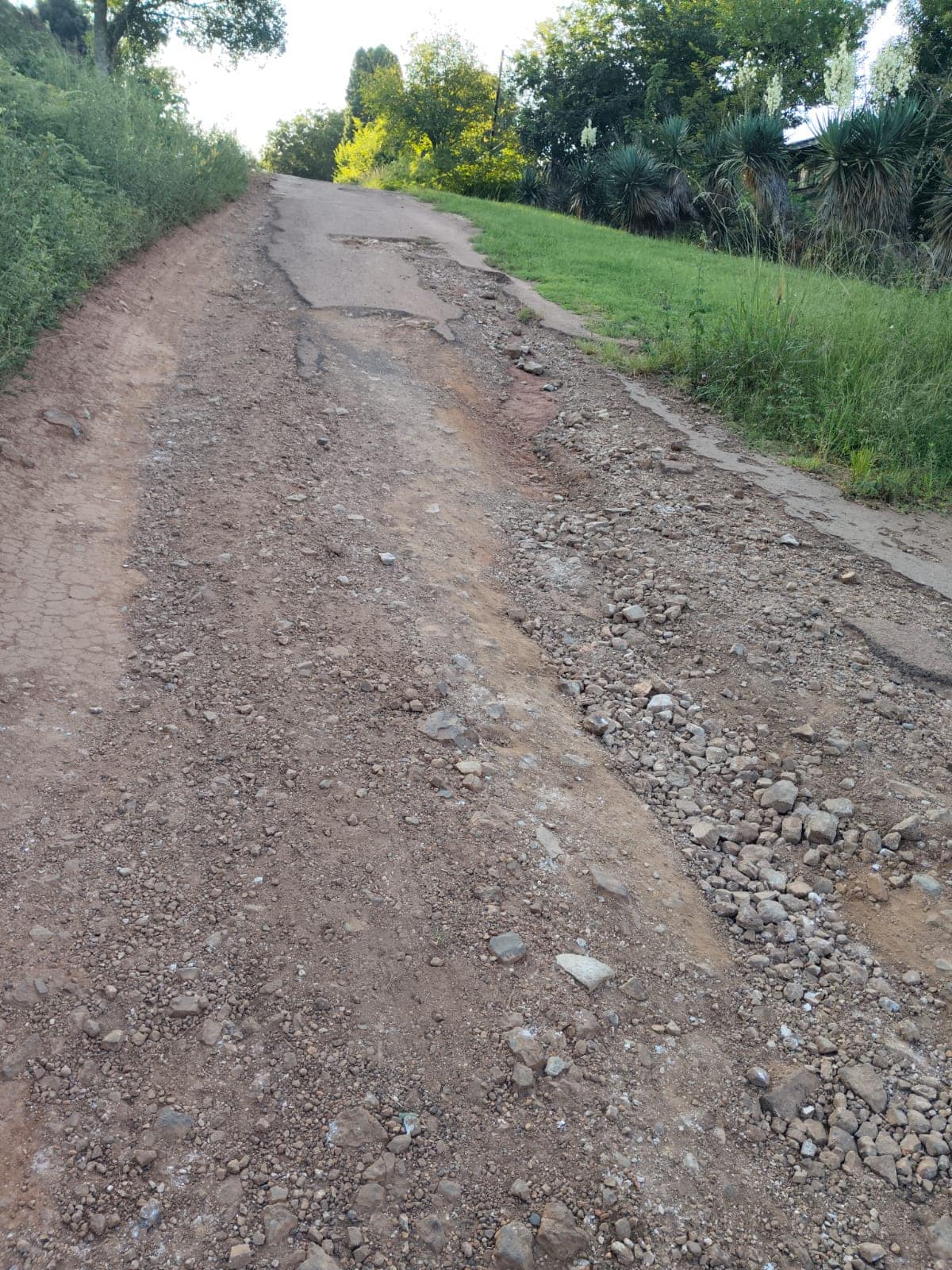
Another resident, Thami Magugula, said nothing is being maintained in the area and infrastructure is now in an even worse state after the rain.
“Most streets, including the Old Lydenburg Road, have no tar left and are full of not just potholes, but virtual craters and dongas. This area connects to the iconic Panorama Route and beautiful waterfalls which attract international tourists, but the state of the roads is appalling. I have given up on reporting to the municipality as nothing happens. I don’t have much faith in the provincial government,” he said.
For those who call Sabie home, the impact is both personal and financial. One ratepayer shared the heartbreaking reality of living in a ‘beauty spot’ which friends are now unable to visit.
ALSO READ: Motorists frustrated by potholes on R538 and R536 en route to tourism spots
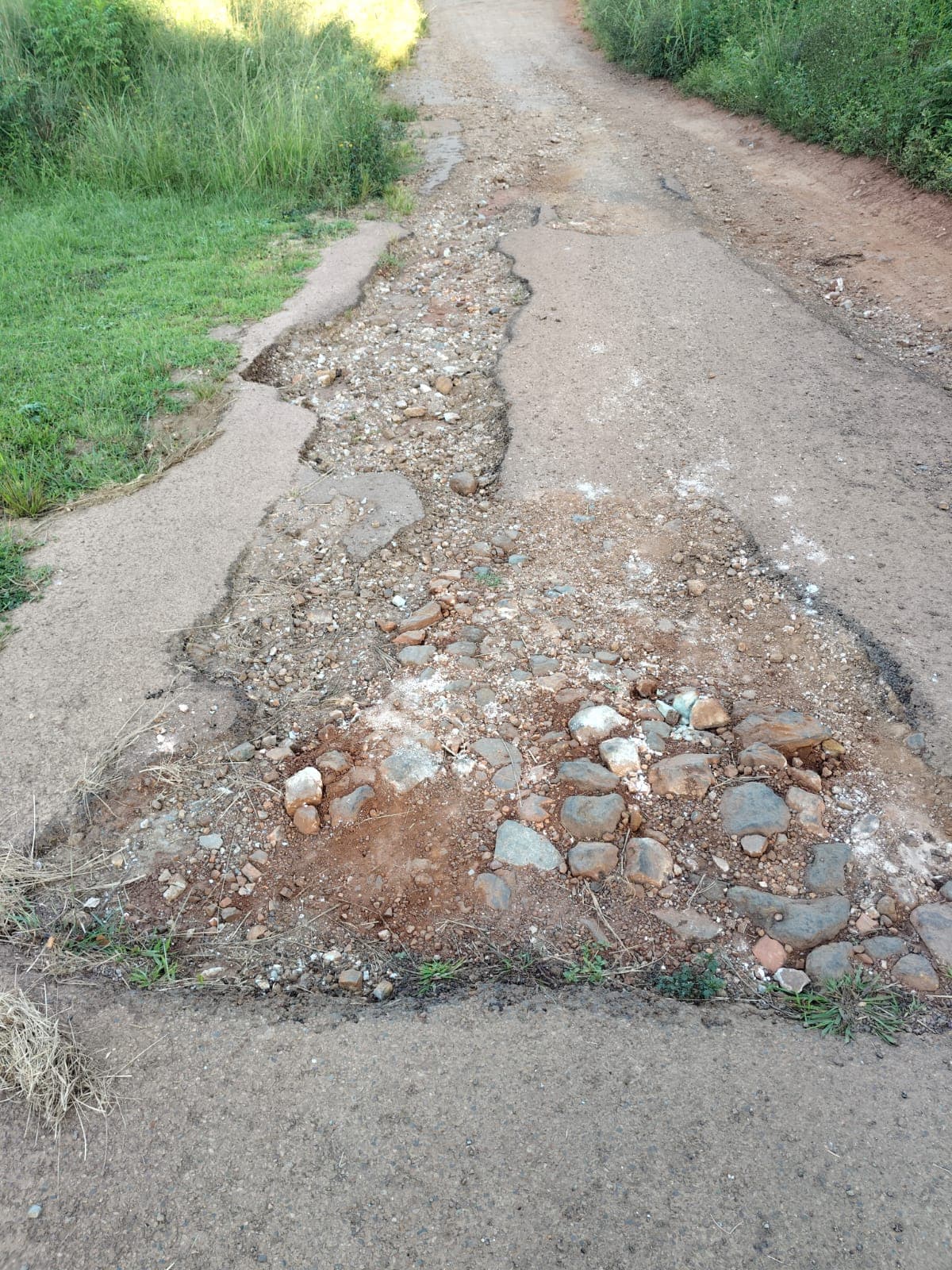
“My little retirement vehicle is mostly parked in the garage because it’s easier to walk than to drive. Friends go elsewhere because they struggle to get to my house. I hope and pray these roads will be sorted out,” she said.
Meanwhile, Christo da Costa said that in a desperate attempt to save their vehicles, people are filling the holes themselves, using soil.
However, without engineering expertise or proper materials, these DIY patches are temporary at best.
“The message to the TCLM is clear: Use our rates for what they are meant for. The community is not asking for luxuries; we are asking for the basic right to drive to our own homes without destroying our vehicles. On behalf of Sabie’s residents, we are for the last time asking nicely for the municipality to do its job. We are gatvol,” lamented Da Costa.
The TCLM spokesperson, Themba Sibiya, said the municipality relies on revenue collection to rehabilitate or reconstruct the roads and stormwater infrastructure.
“It remains the key responsibility of the municipality to ensure the safety of the motorists come first. Due to the low collection of revenue, we are unable to reconstruct all the road infrastructure at once. In the 2024/2025 financial year, the municipality managed to reconstruct the dilapidated Mpofu Street, which is the main access to the Simile Township,” he said. Sibiya also said there is a plan in place to pave 2nd Street, which is at the procurement stage. Due to limited staff, the division is unable to patch all the potholes at once.