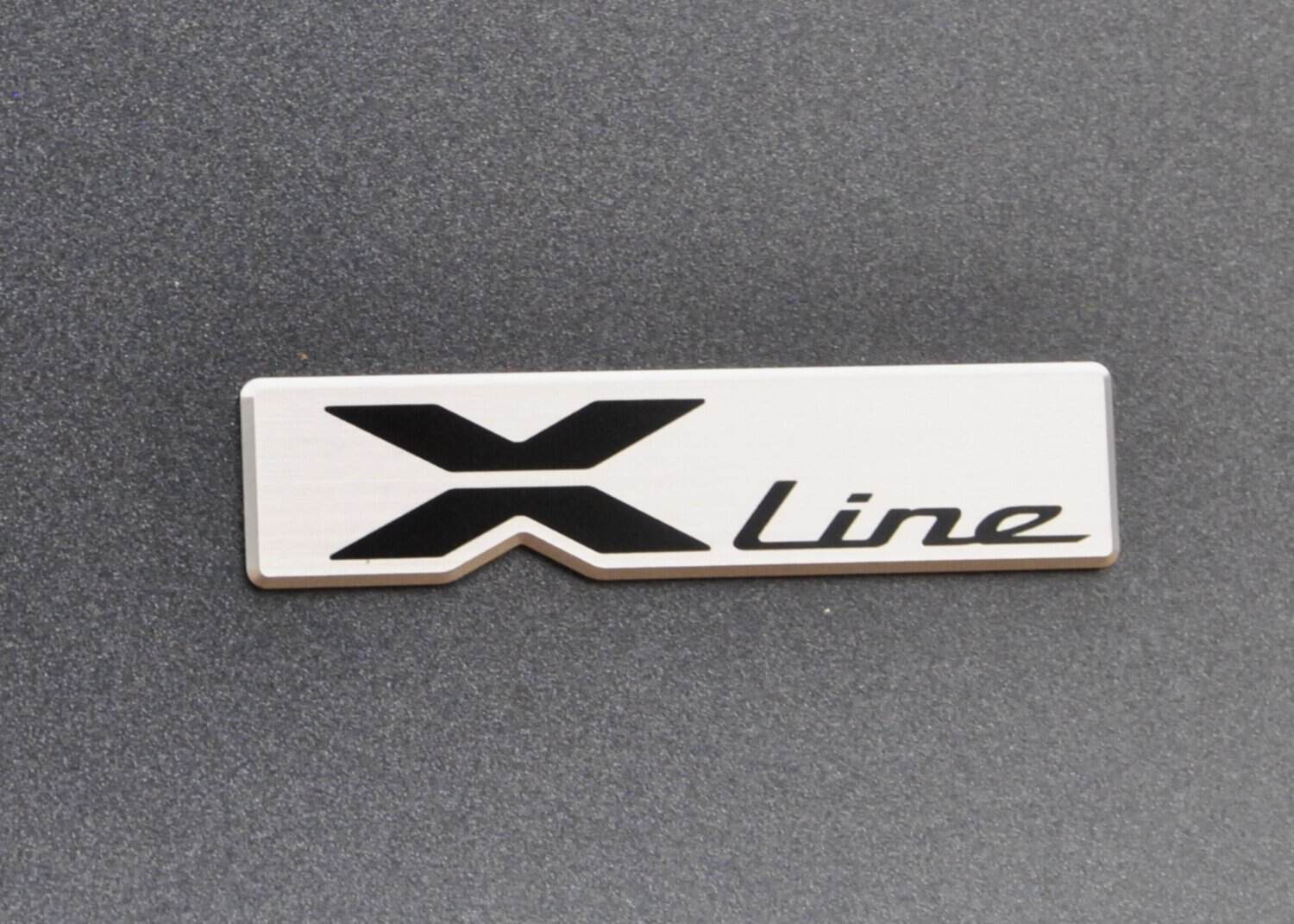
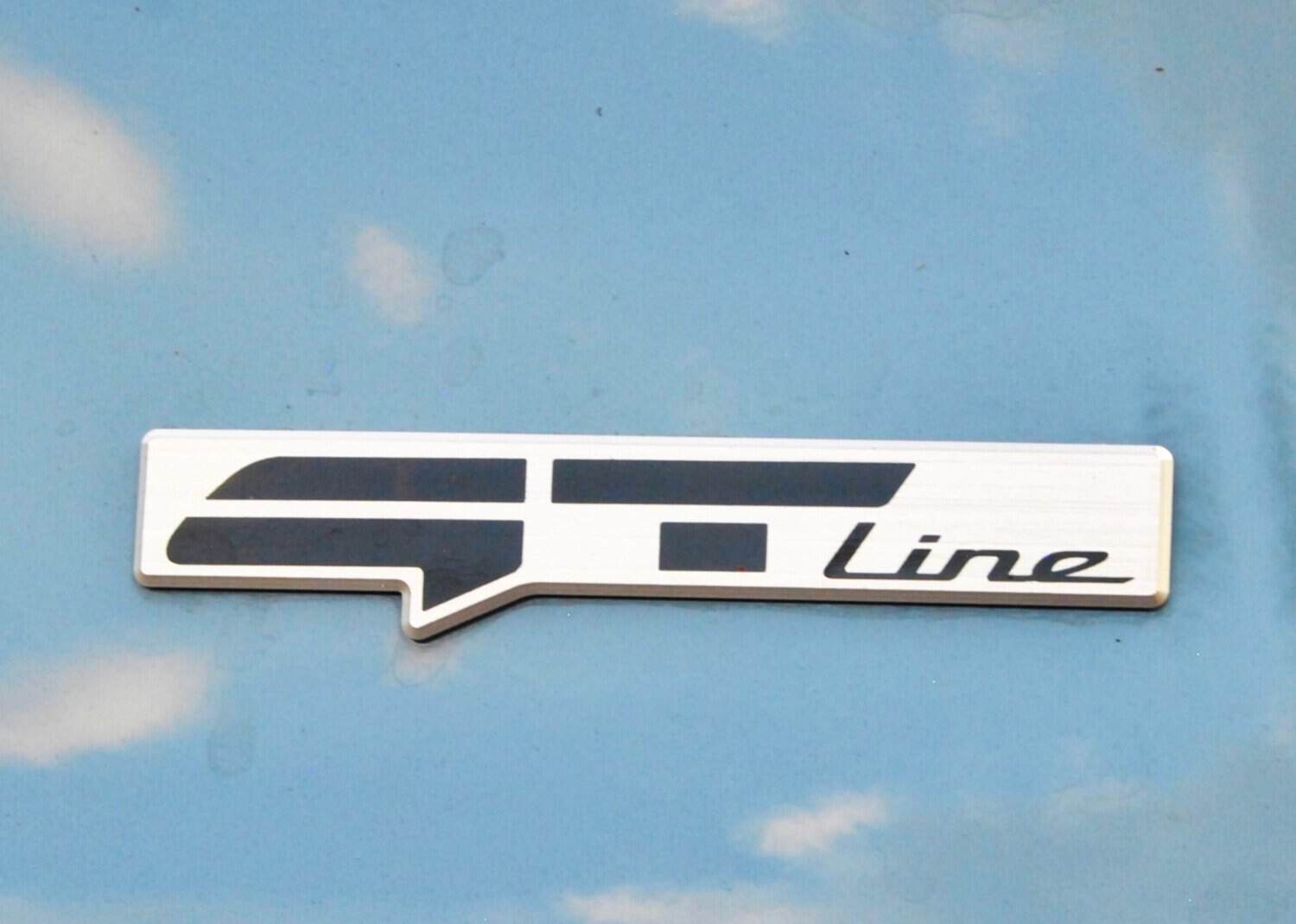
Revitalised GT-Line S is joined by the diesel-only X-Line as an alternative, but with the same level of specification and price tag.
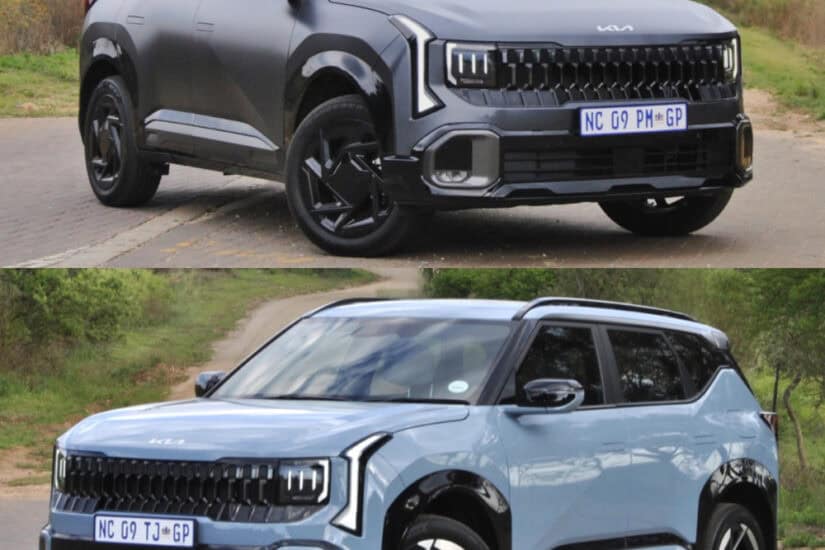
Flagship versions of the new Seltos: (T) diesel exclusive X-Line and (B), petrol-powered GT-Line S. Picture: Charl Bosch


Along with the Sonet, the Seltos has over the last five years or so been spearheading Kia South Africa’s sales trajectory as a result of the boom in SUV sales.
From one success…
The first Kia made at the then-new Anantapur Plant in India to arrive in South Africa at the end of 2019, the Seltos has sold more than 1.6 million units globally in a single generation.
Its name originates from Greek mythology. In this case, Celtos is widely believed to be the son of Hercules and with the arrival of the second-generation Seltos last year, for fear of a better description, it has been handed a herculean task set by its predecessor.
… to another?
Finding itself in a segment now frequented by a growing list of products from Chinal, the internally named SP3 Seltos’ debut on South African soil in August proved more than the usual new-generation eye-opener for a variety of reasons.
Completely different from the original, the Seltos’ arrival for the week-long stay became a comparison between the supposedly identical but ultimately different flagship models.
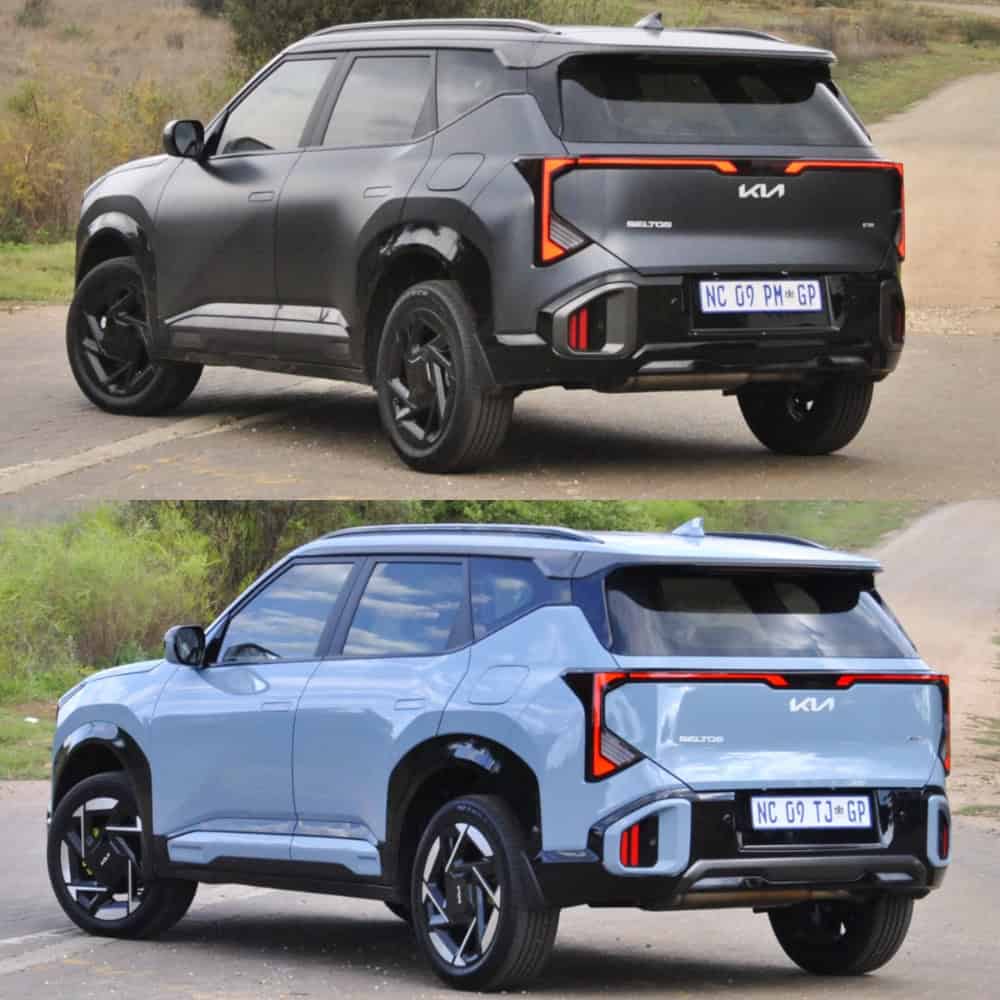
Split into two, the previous GT-Line now becomes the GT-Line S, powered by the 1.5 litre turbo-petrol engine introduced with the facelift original Seltos two years ago.
Its alternative, the carry-over 1.5 litre CRDI turbodiesel now becomes a less volume-focused option in that it now not only receives the GT-Line touches for the first time, but also a designation of its own in the form of the X-Line.
A first for the Seltos in South Africa, the X-Line is nearly identical to the GT-Line S in appearance, the obvious difference being what resides underneath its bonnet.
Apart from the option of a model-specific colour called Dark Gun Metal Matte, which the test unit arrived in, the X-Line also has the same price tag as the GT-Line S at R614 995.
The arrival of first X-Line and then the GT-Line S came with the conclusion that whereas the original Seltos had started to age even after its 2024 refresh, the implementation of the latest Opposites United styling language has been nothing short of stunning.
Styling
As subjective as styling is, the Seltos looks eye-catching, modern, substantial and attention-grabbing, especially the Frost Blue Metallic hue of the GT-Line S.
While the X-Line’s matte execution can be seen as overbearing, the Seltos’ resemblance to the Tasman and North American Telluride remains a standout.
In fact, the only irk are the flush door handles which don’t pop-out automatically when the doors are unlocked.
Instead, they have to be pressed for the handles to jut out, which renders their application more of an inconvenience despite contributing to the clean side profile.
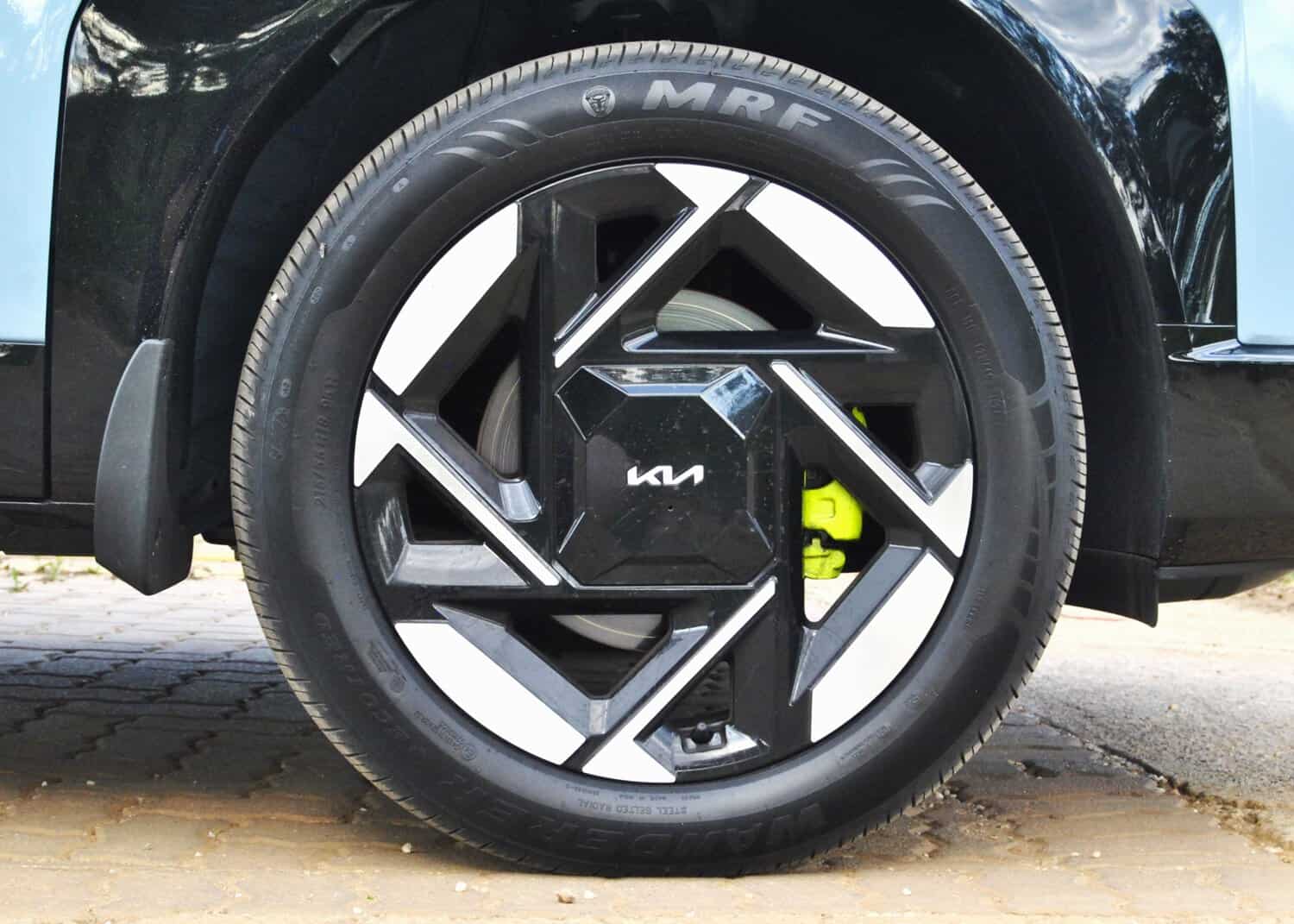
Sporting silver and black 19-inch alloys versus the X-Line’s black wheels, the GT-Line S also gets lime green brake calipers and against the blue exterior and gloss black wheel arches, it makes for a stunning visual highlight.
The same goes for the rear where the vertical LED light clusters have been made been thinner, while still connected by a LED bar running below the window line of the tailgate.
Colour coded inserts on the largely gloss black bumper and the Kia logo now located on the bootlid itself rounds off a Seltos vastly better presented than before.
Inside
As much as the exterior wows, opening the doors reveals a similar night-and-day transformation from the old Seltos, but arguably even more dramatic.
Wider, longer and taller than the original, the cabin feels spacious and build quality more than above par considering the Seltos’ pricing in Kia product range, never mind its price.
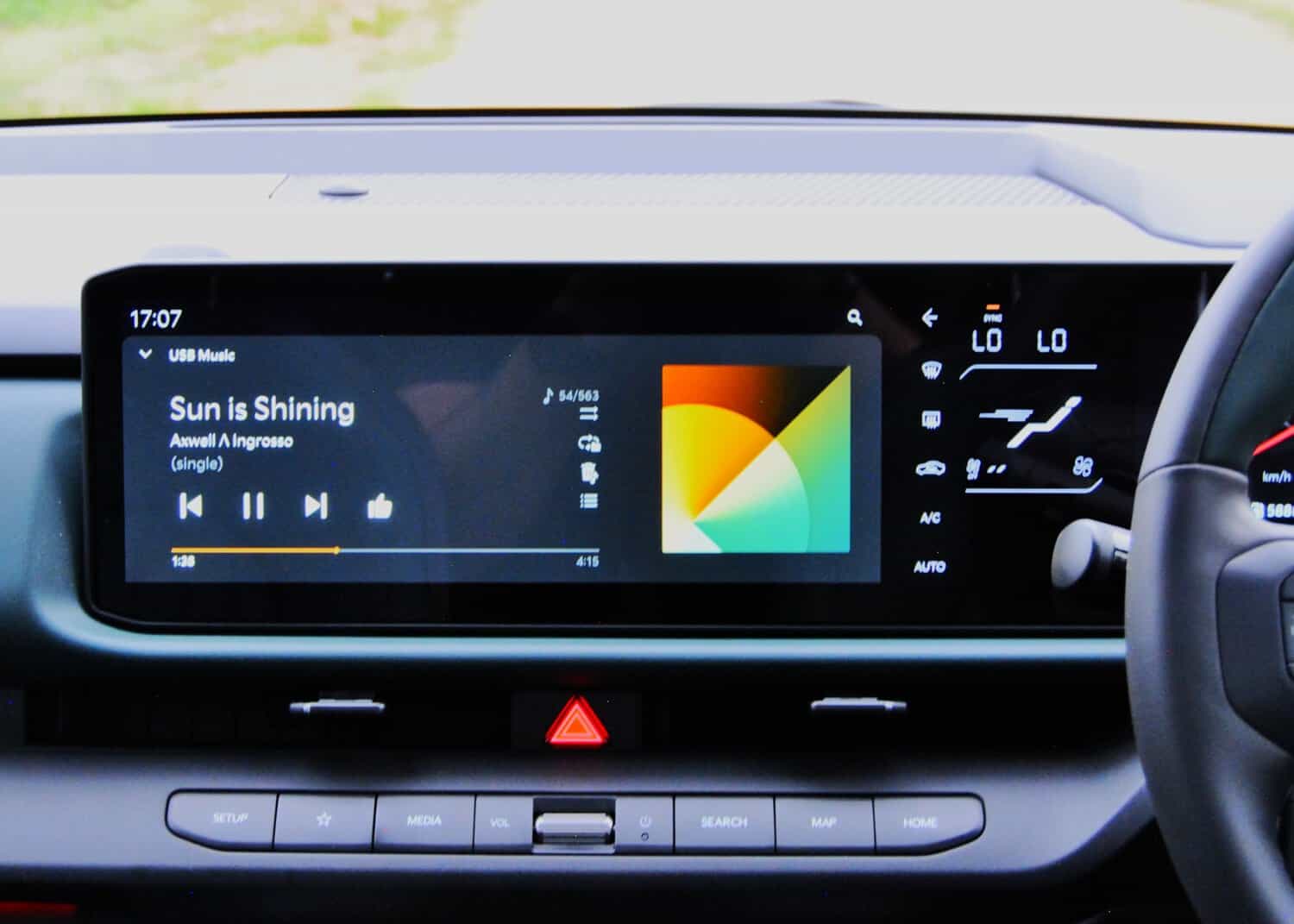
Derived from the Tasman and the EV range of electric vehicles, the interior’s modernity doesn’t come at the cost of ergonomics as physical buttons and dials have kept on both the steering wheel and below the new 10.25-inch infotainment system.
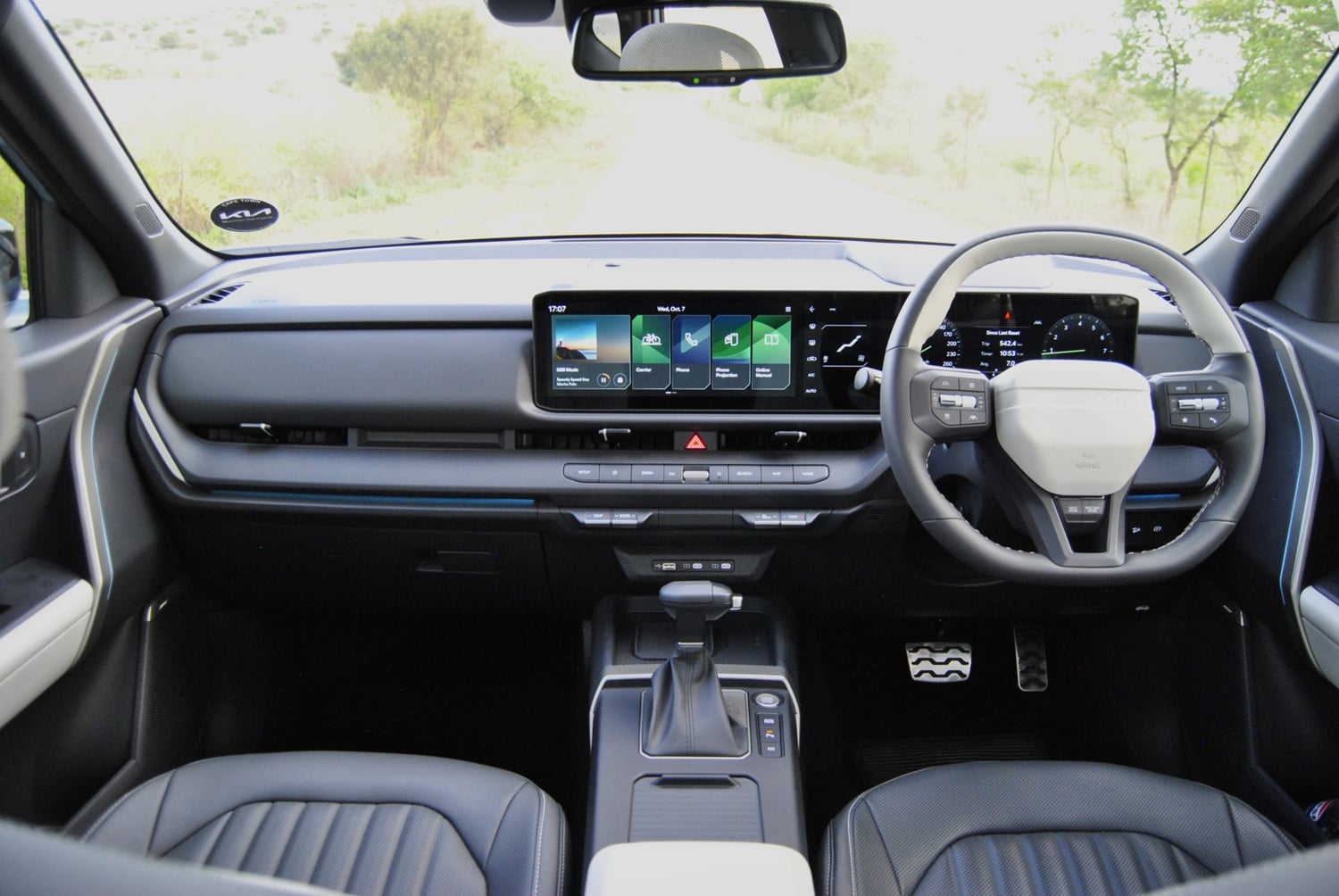
As in the Tasman, the latter sits on top of the dashboard in an effective three-tier part design. Offsetting this the new 12.3-inch instrument cluster and in the middle, the digital interface for the dual-zone climate control.
Whereas the latter requires some sussing out, the entire layout looks neat and in the case of the infotainment system, logically laid out and easy to get a hold of.
Along with the shortcut buttons, a physical scroller dial for the ear-pleasing eight-speaker Bose sound system is provided, as are buttons for the drive and terrain modes mounted somewhat awkwardly at the base of the steering wheel.
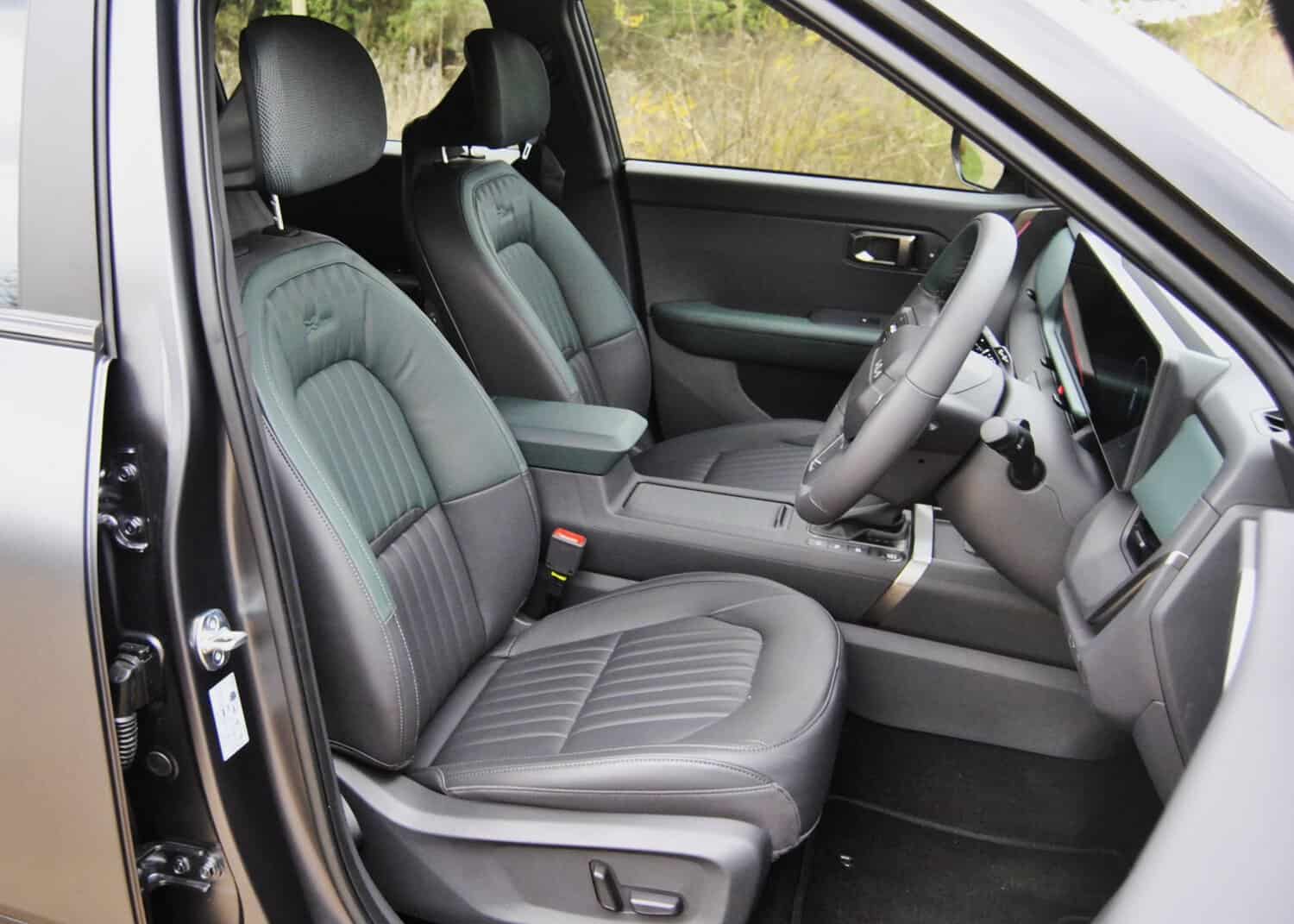
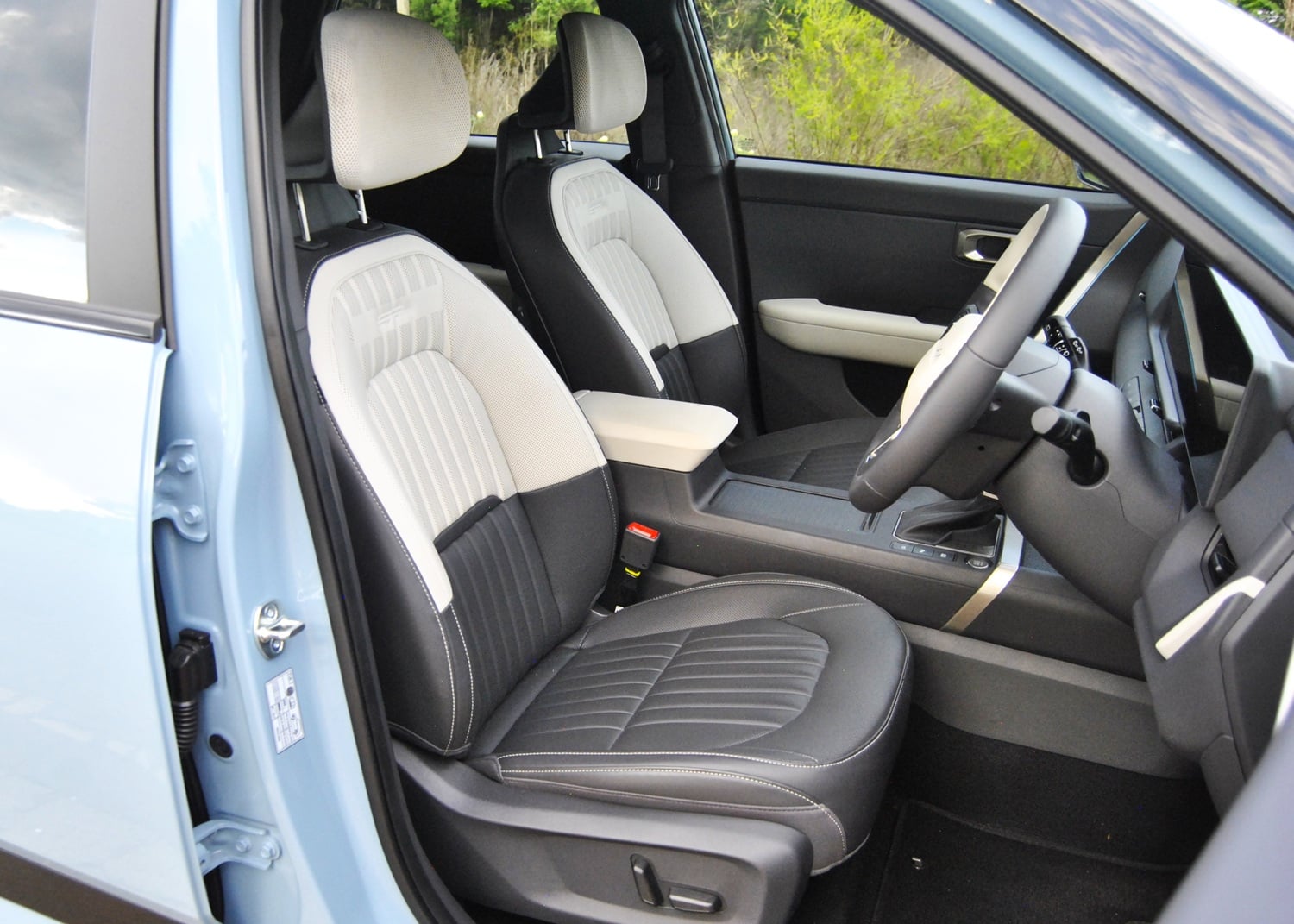
Although upmarket and airy, the two-tone black-and-beige finish on the GT-Line S will require extensive upkeep to remain clean, while the black-and-green on the X-Line appears an odd choice, but workswhen combined with the matte exterior.
As with the original, interior space is still a Seltos standout, with those at the rear more than well catered for from a leg-and-headroom standpoint, even with the standard panoramic sunroof.
Adding further convenience are a pair of type-C USB charging ports on the outer shells of the front seats and rear air-conditioning vents.
While the lack of electric adjustability for the front passenger’s seat will be scoffed at by some, the inclusion of ventilation will be more welcomed.
Practicality
Nowithstandin, the lack of an electric tailgate on either variant, once opened it presents a 447 litre boot – 14 litres more than before – that expands to the 1 436 litres with the rear seats folded forward.
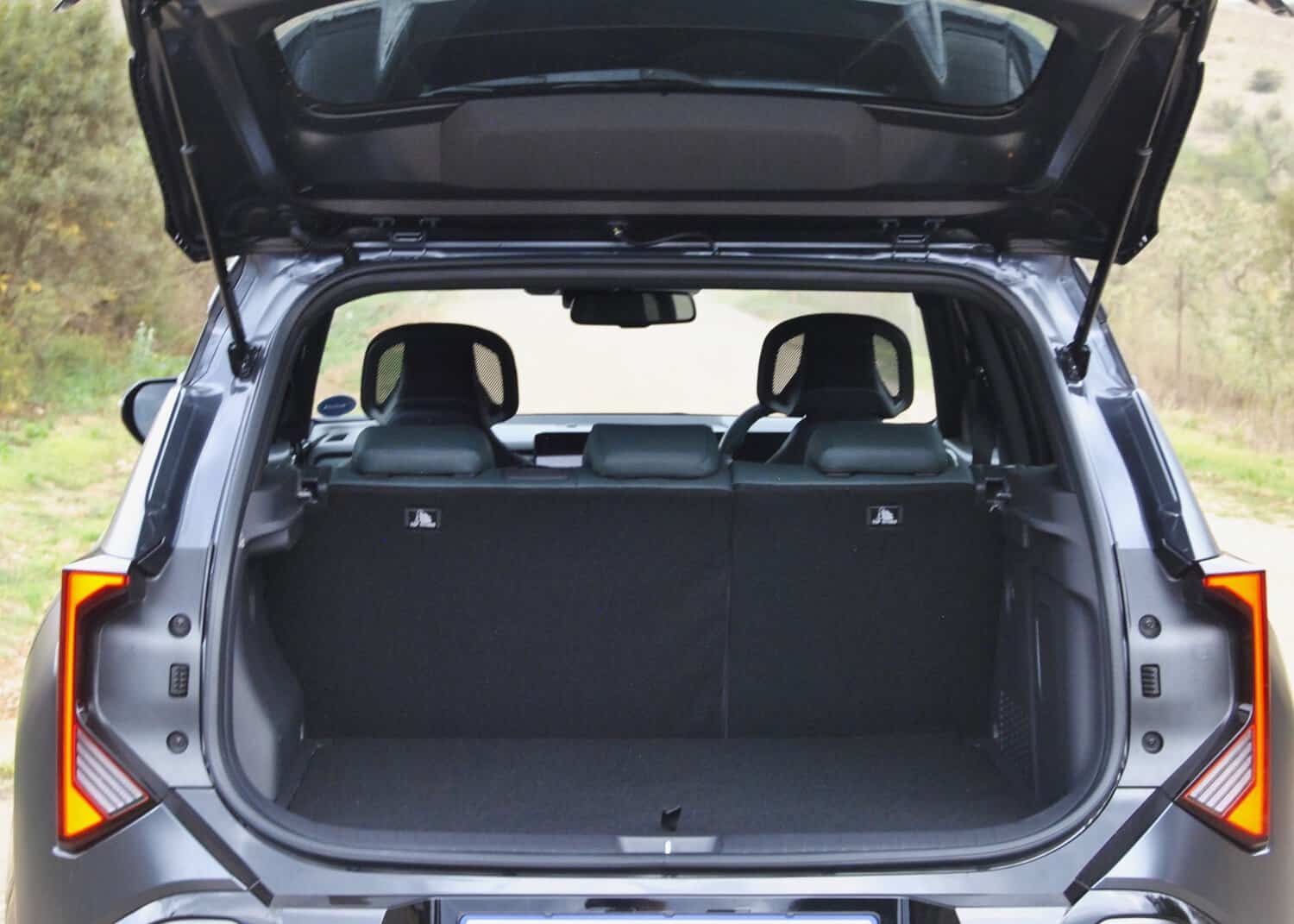
An additional bonus is the presence of a full size steel spare wheel underneath the boot board.
Spec
Excluding the items already mentioned, both the Seltos X-Line and GT-Line S are further equipped with the following:
- auto on/off LED headlights;
- folding electric mirrors;
- LED fog lamps;
- rain sense wipers;
- keyless entry;
- push-button start;
- ambient lighting;
- wireless smartphone charging pad; and
- remote engine start.
Safety and driver assistance systems comprise:
- tyre pressure monitor;
- front and rear parking sensors;
- six airbags;
- Adaptive Cruise Control;
- Automatic Emergency Braking;
- Forward Collision Avoidance;
- Hill Decent Control;
- Lane Keep Assist;
- Blind Spot Monitoring;
- Hill Start Assist; and
- Rear Cross Traffic Alert.
On the move
Setting off is where the key differences tell as the diesel is still hamstrung by a lack of grunt.
Part of the Seltos range since late 2020, the tried-and-tested unit develops 85kW/250Nm, which it delivers to the front wheels through a six-speed automatic gearbox.
By contrast, Kia has extracted an additioal kilowatt from the 1.5 T-GDI in the GT-Line S for a total of 119 kW and the same 253 Nm of torque as before.
Tipping the scales at 1 460kg, 35 kg more than the T-GDI, the CRDI doesn’t like being rushed and is still curtailed by a sluggish low-down delivery and the need to be pushed harder than what a diesel should be to get the maximum out of it. Once up to speed, it is refined, quiet and happier to be in cruising mode.
Unsurprisingly, the T-GDI is more spritely with not only little in the way of lag, but a strong surge of power as the revs get higher.
Unlike the diesel, selecting Sport mode in the GT-Line S feels more apt as the sharper throttle response and quicker gear changes suit its character more.
Care is still needed to avoid wheel spin when stopping on the accelerator, while the removal of the paddle shifters is somewhat disappointing from a driver engagement standpoint.
For the GT-Line S, the X-Line’s six-speed torque converter departs for a seven-speed dual-clutch.
Marketed as the “spirited” open, the box is typically dual-clutch sharp, but exhibits the familiar drag sensation at lower speeds.
In contrast, the diesel’s torque converter is more slick than quick-shifting sharp. However, it does become flustered at slow speeds and prone to skip a few gears to keep the engine on the boil.
Dynamically, neither the X-Line nor the GT-Line S can lay claim to being the last word in involved driving manners.
That being said, the steering feel is light and communicative, but not so that it becomes lifeless. Ride quality didn’t disappoint either, though unsurprisingly, it felt firmer on the GT-Line S than on the X-Line.
In both instances, the 200mm of ground clearance doesn’t result in a roly-poly feel, nor does the Seltos become nervous when faced with a sudden surface changes.
As part of the drive models, the standard settings, Eco, Normal and Sport, are augmented by three Terrain options; Snow, Mud and Sand.
Fuel consumption
Throughout the weeklong stay, only sporadic use of Sport was made, with Normal being the default choice and none of the Terrain options dialled in.
As such fuel, consumption in the X-Line after 330km came to a best of 6.1 L/100 km – well down on Kia’s 5.3 L/100 km claim – and to seven litres per 100km after 580km on the GT-Line S against Kia’s 6.3 L/100 km estimate.
Conclusion
While some its shortcomings can be seen as nitpicking, the truth is that Kia has not only done its homework right with the second generation Seltos, but lifted its game considerably.
Whereas the lower-spec versions of the diesel remains the most compelling options, even with skyrocketing prices at the pumps, the GT-Line S cannot be overlooked for feeling peppier and more of a hoot to drive.
Considering the price tag – lower than comparative versions of the old models – level of specification and what it now offers wrapped in a stylish package, opting for one is more of a worthwhile consideration than ever before if going the Chinese route is to be avoided.