


Current Duster, sourced from Romania, will be replaced later this year in a move that could see a reduction in price, but the end of four-wheel drive.
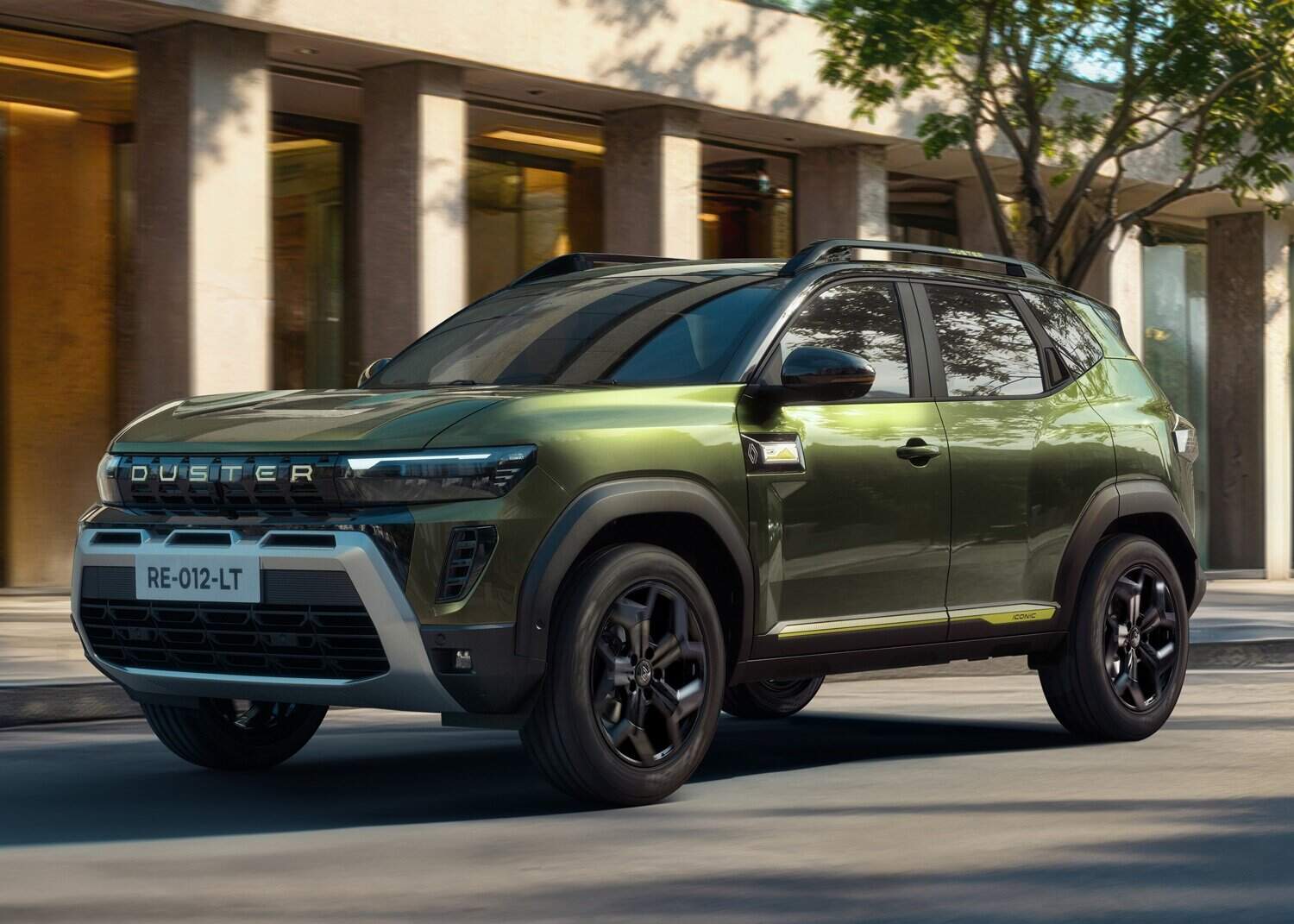
Now made in India, the Duster has been approved for South Africa as replacement for the current model sourced from Romania. Image: Renault India


Unveiled globally three years ago as a Dacia, Renault has removed the wraps from the Indian-made third generation Duster confirmed to arrive in South Africa later this year.
Rebadged as a Renault in select European markets where the Dacia brand isn’t marketed, the Indian-assembled model comes via the brand’s Chennai plant and differs subtly from the variants made in both Romania and Turkey.
Europe vs India
These include the dropping of the Dacia signature Y-shaped LED headlight graphics, the introduction of a new front bumper with an integrated imitation skidplate and nudge bar, block letter Duster instead of Renault lettering on the grille and wider inlets on the flanks of the bumper itself.
ALSO READ: Lofty price in tough segment not doing Renault Duster any favours
Mounted on 17 or 18-inch alloy wheels, the aesthetic differences go further as the upwards shoulder line underneath the D-pillar has changed, while retaining the door handles concealed within the C-pillar.
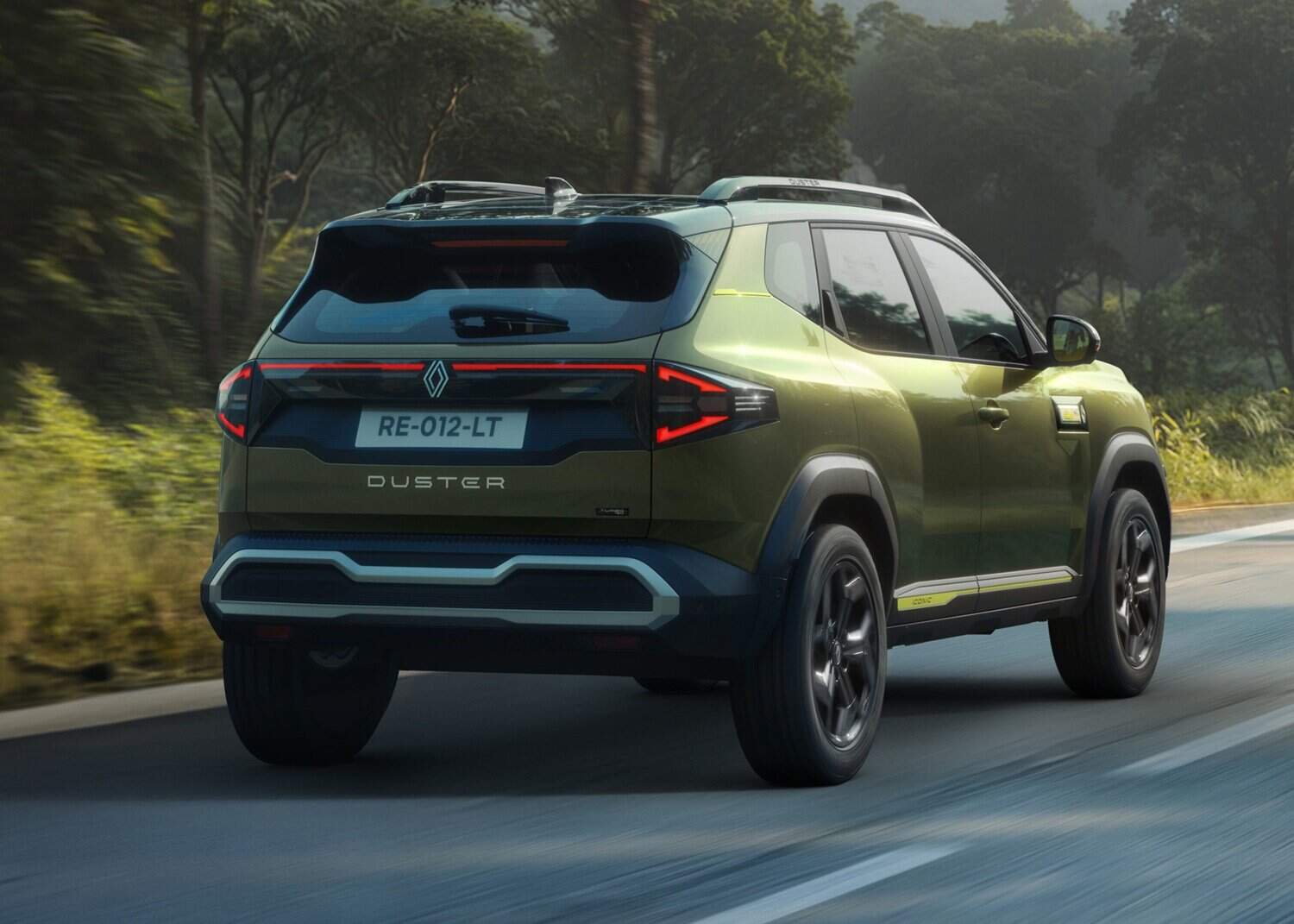
At the rear, the Dacia-inspired light cluster remains, but connected via an LED light bar running below the window line.
Additional differences are a blackened numberplate cavity and a restyled bumper with an integrated satin silver imitation skidplate.
Dimensions
Dimensionally, the Duster differs only in width and height from the European version, with the former being 1 813 mm versus 1 921 mm, and the latter 1 669 mm compared to 1 661 mm.
The 4 343 mm overall length and 2 657 mm long wheelbase measurements are the same; however, ground clearance is slightly higher at 212 mm compared to 209 mm.
Claimed boot space is 518-litres or 1 789-litres with the rear seats folded flat. By comparison, the European Duster has between 472 and 1 609-litres of packing space.
New inside
Inside, the interior has been reworked, with the final design and layout leaning more towards the new Clio and all-electric 5 E-Tech than a Dacia.
The biggest is the dashboard, which gains a pair of dual displays; the infotainment system still measures 10.1-inches, but the instrument cluster is available in either seven or 10.25-inches.
Also gone are the Y-shaped air vents replaced by conventional ones, improved materials, a new central hangdown section below the infotainment system and a restyled centre console.
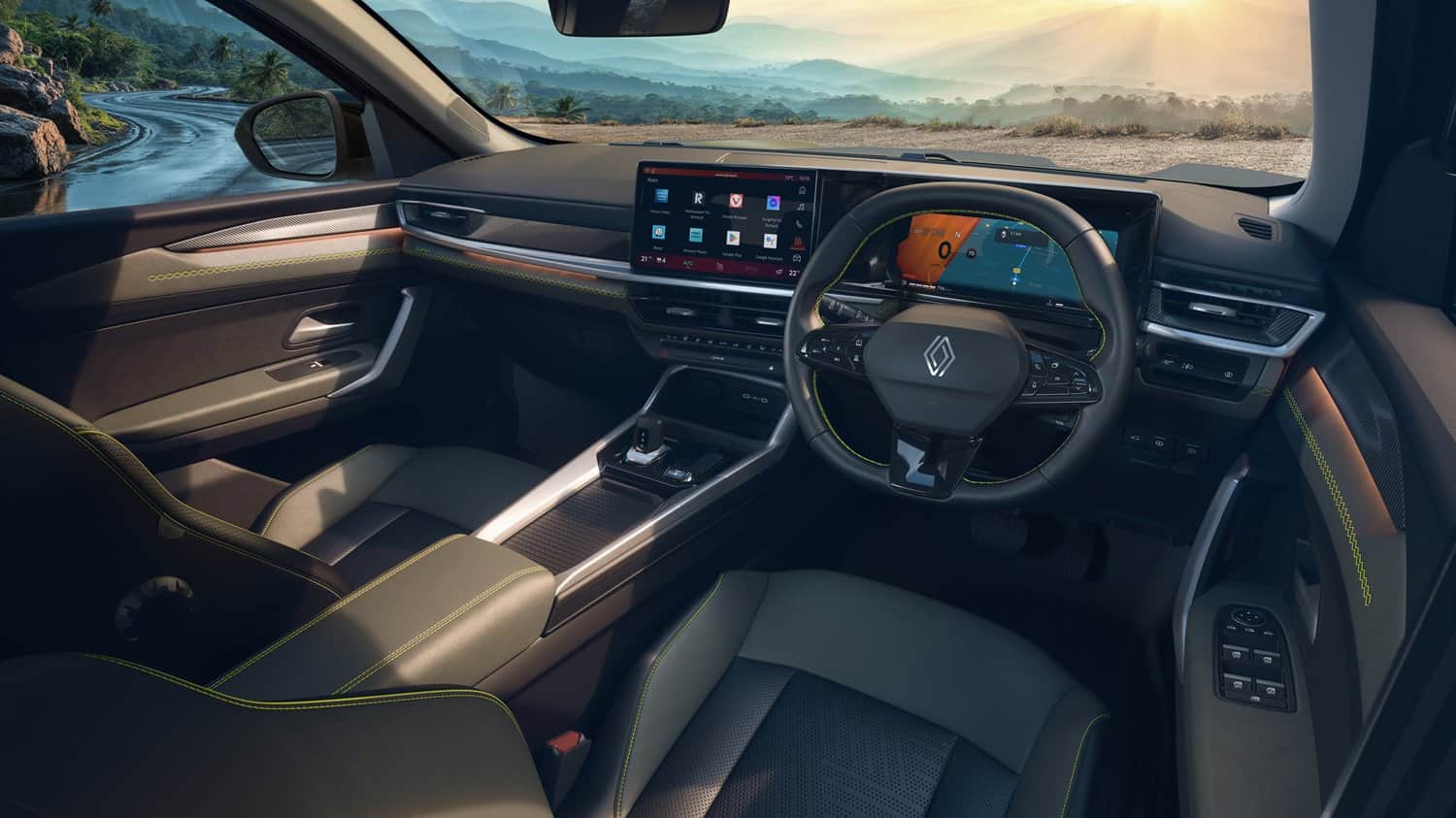
Depending on the trim level, features include a panoramic sunroof, ambient lighting, type-C USB ports, electric and ventilated front seats, dual-zone climate control, an electric tailgate and an Arkamys sound system.
Taking care of safety are front and rear parking sensors, a 360° camera system, a minimum of six airbags, Lane Keep Assist, Blind Spot Monitoring, Traffic Sign Recognition, Automatic Emergency Braking, Driver Attention Alert, Auto High Beam Assist and Lane Departure Warning.
Still no diesel, 4WD also gone
Up front, the Duster comes with a choice of three engines, but as in Europe, with a hybrid instead of a turbodiesel.
Called TCe 100, the base 1.0-litre three-cylinder turbo-petrol produces 100 pferdestarke (PS) or 74kW/160Nm. A six-speed manual is the only transmission available.
Familiar to South Africans, the TCe 160 uses the Daimler co-developed 1.3-litre turbo-petrol rated at 160 PS or 118kW/280Nm.
Transmissions are either a six-speed manual or a six-speed dual-clutch EDC as opposed to the current Duster’s seven.
Finally, the hybrid combines a normally aspirated 1.8-litre petrol, producing 80kW/172Nm, with a 1.4-kWh battery pack powering a pair of electric motors.
The result is a combined 118 kW connected to Renault’s multi-mode transmission, which consists of a conventional four-speed automatic, plus two additional ratios provided by the electric motors for an effective six-speed ‘box.
In the biggest difference from the European Duster on the powertrain front, is the complete absence of four-wheel drive as each of the mentioned engines deliver their respective amounts of twist to the front wheels only.
Coming to South Africa
Going on-sale later this year, the Duster forms part of Renault’s product expansion of its Chennai plant, which will later include the Boreal, spun off from the Dacia Bigster.
As is well-known by now, the Duster will also spawn a rebadged version called the Nisan Tekton, which has been confirmed for South Africa alongside the incoming Nissan version of the Boreal.
Teased towards the end of 2024 on local soil before its market release last year, the confirmation then of the Duster being sourced from Romania was only temporary until retooling and ultimate production in India commenced.
As such, expect pricing to only be announced later this year. At present, stickers start at R489 999 for the entry-level 1.3 TCe Zen EDC and end at R549 999 for the mild-hybrid 1.2 TCe Zen 4WD.
NOW READ: Smart new Renault Duster facing a tough battle against rivals
Support Local Journalism
Add The Citizen as a Preferred Source on Google and follow us on Google News to see more of our trusted reporting in Google News and Top Stories.

