


Returning Indian automotive giant's smallest SUV has merits, but will have to fight hard.
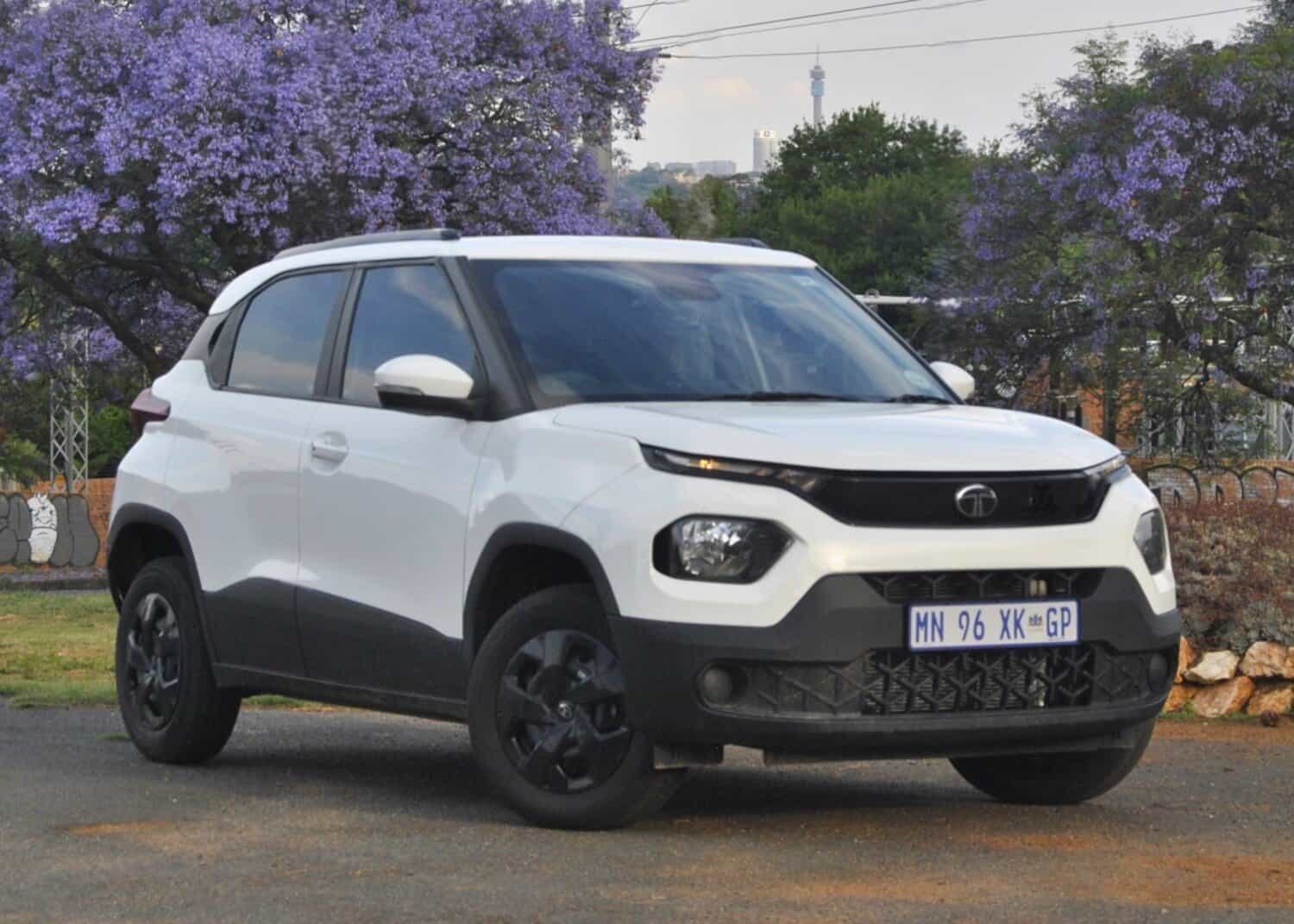
Punch enters a crowed segment of well reputed offerings, the majority from its Indian homeland. Images: Charl Bosch


Tata is Indian’s largest domestically founded automotive marque when you factor out the Japanese origins of its biggest automotive brand, Maruti Suzuki.
Stepping out of home comfort
Despite this, its smallest crossover, the Punch, became the best-selling nameplate last year with reported sales of over 200 000 units, and ahead of traditional Maruti favourites such as the Swift, Brezza and DZire.
ALSO READ: Tata Punch fails to land knockout blow in fierce compact SUV bout
Completely different is the situation in South Africa where, unlike Suzuki, Tata re-entered the local market earlier this year after a decade long hiatus.
Tasked with not only rebuilding itself, but also dispelling memories of past models such as the Indigo, Indica and Bolt, the brand’s return couldn’t have come at a worse time, as compared to a decade ago, it faces direct competition from various Chinese brands.
Opposition success
A situation not doing Tata any favours, the debut of the Punch as one of four initial models isn’t off to the best of starts, either, when also factoring in established legacy brand products it competes against.
Positioned in Tata’s line-up between the Tiago hatch and Cruvv crossover, these predominantly include other Indian-grown offerings such as the Renault Kiger and Nissan Magnite, the Kia Sonet, Hyundai Exter, Mahindra XUV 3X0 and Citroën C3.
Models that have all built up a solid reputation since landing on local soil, the arrival of the Punch for the weeklong stay proved honest and simple, but with lots still to be proven, regardless of its home market success.
When low doesn’t mean bad
Unlike Road Test Editor Mark Jones, who only drove the flagship Creative+ at the local launch in September, the test unit, the Adventure+ S, didn’t have the dreaded automated manual transmission (AMT) but rather the five-speed manual.
The only other derivative bar the base Adventure to offer the manual as both the Creative+ and mid-spec Accomplished+ are equipped with the AMT from the start, the second tier from the bottom Adventure+ S is off to a relatively good start on first glance.
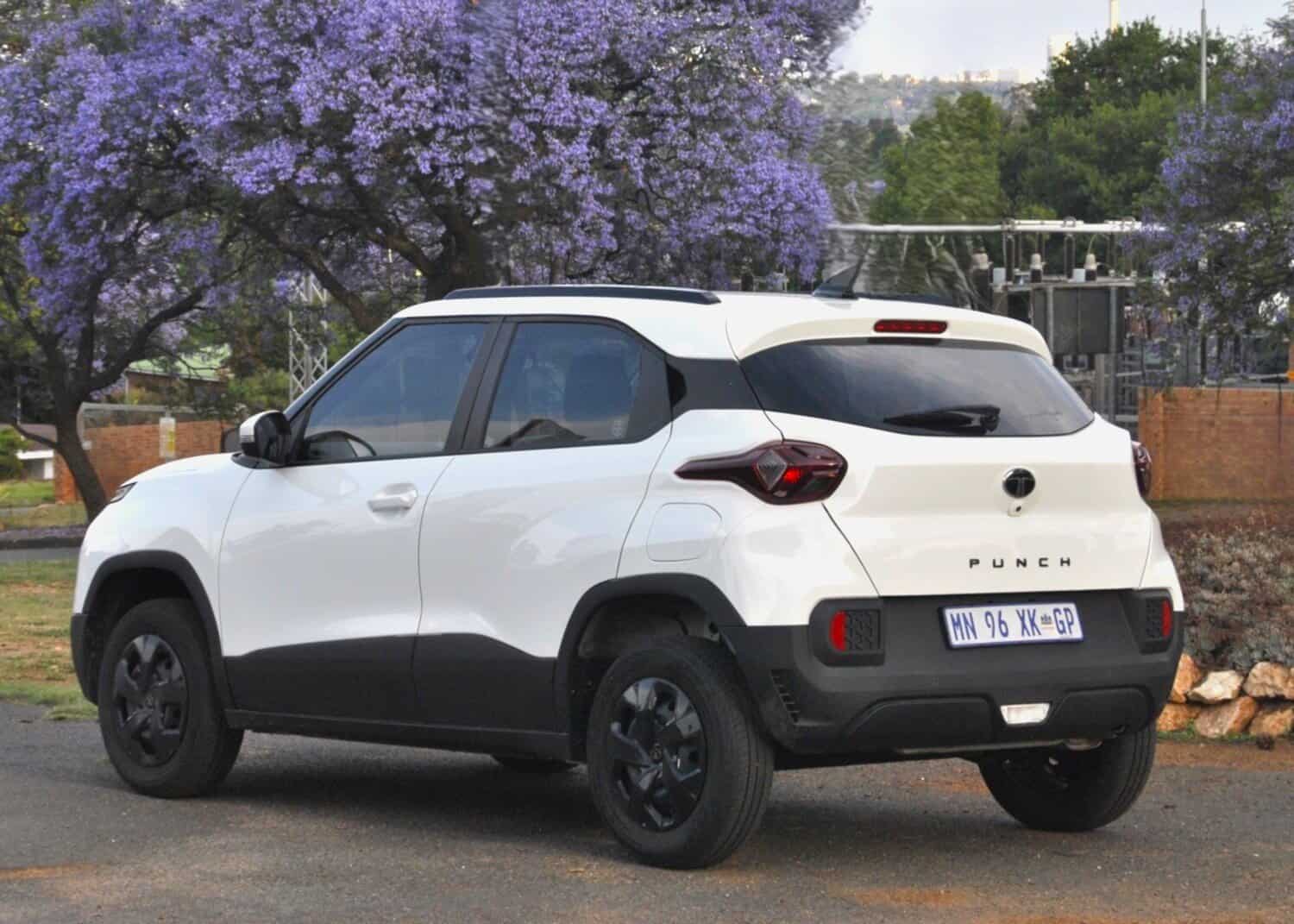
Priced at a very competitive R268 900, the Punch conforms to India’s sub-four metre regulations, albeit with an appearance resembling that of the Renault Kwid when viewed from the rear and in side.
Off to a good start
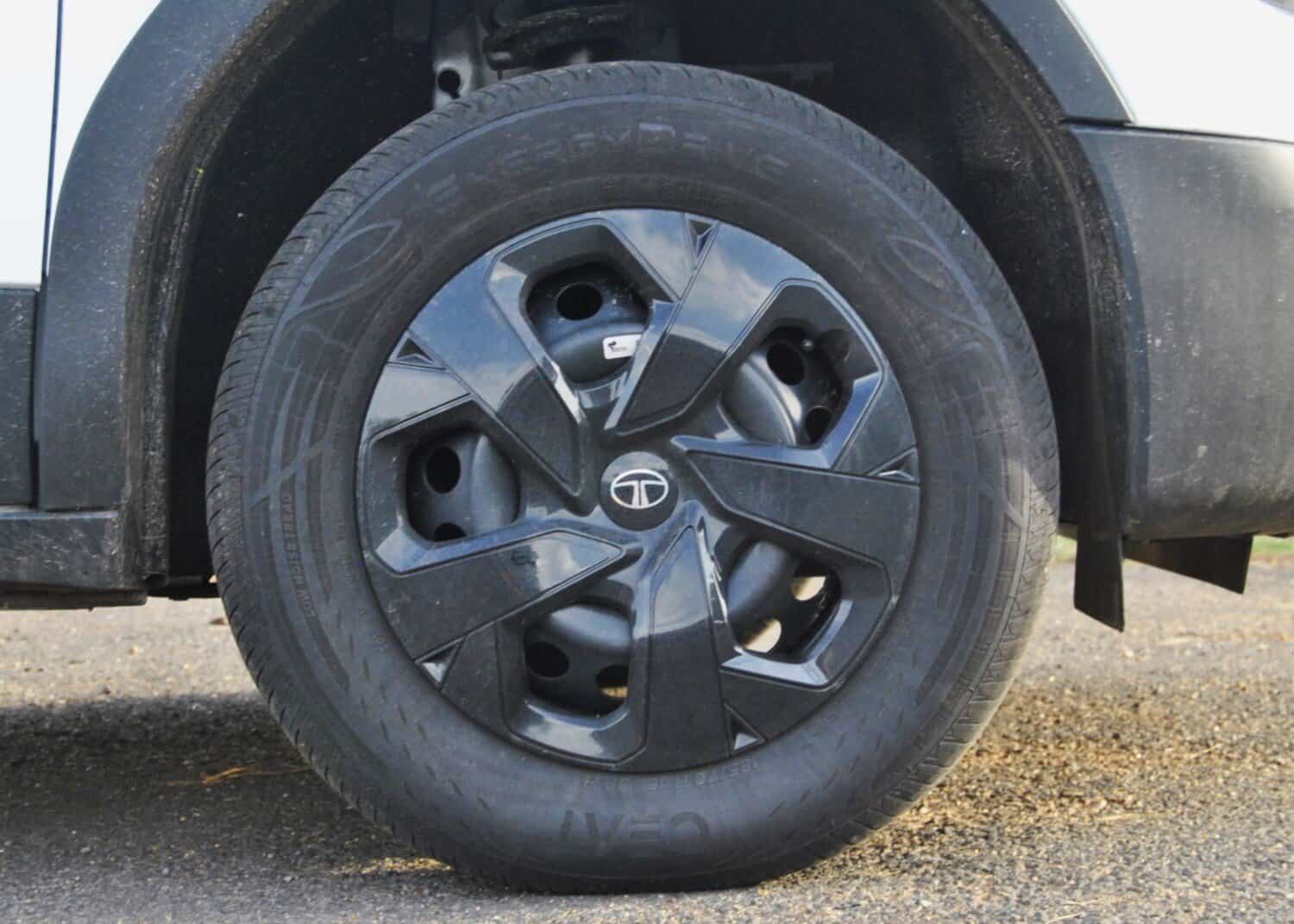
Not updated or lightly revised since going on-sale in India four years ago, the Adventure+ S only comes with painted 15-inch steel wheels, but still presents well for its age thanks to the slim headlights, grille and standard dual-tone roof.
Appearing suitability rugged with not only the steelies, but also cladding around the wheel arches and on the bumper, the Punch’s rear facia continues the round theme, with unique touches such as the Y-shaped light clusters and a wraparound window.
Finished in Orcus White paint, which could be argued doesn’t show it at its best, the Punch still lacks a bit when compared to the XUV 3X0 or even the newly facelifted Kiger.
Styling is, of course, subjective, and while some are likely to argue the Punch’s case by simply adding on a pair of aftermarket alloy wheels, what cannot be disputed is that the interior gives its age away once inside.
The good and bad inside
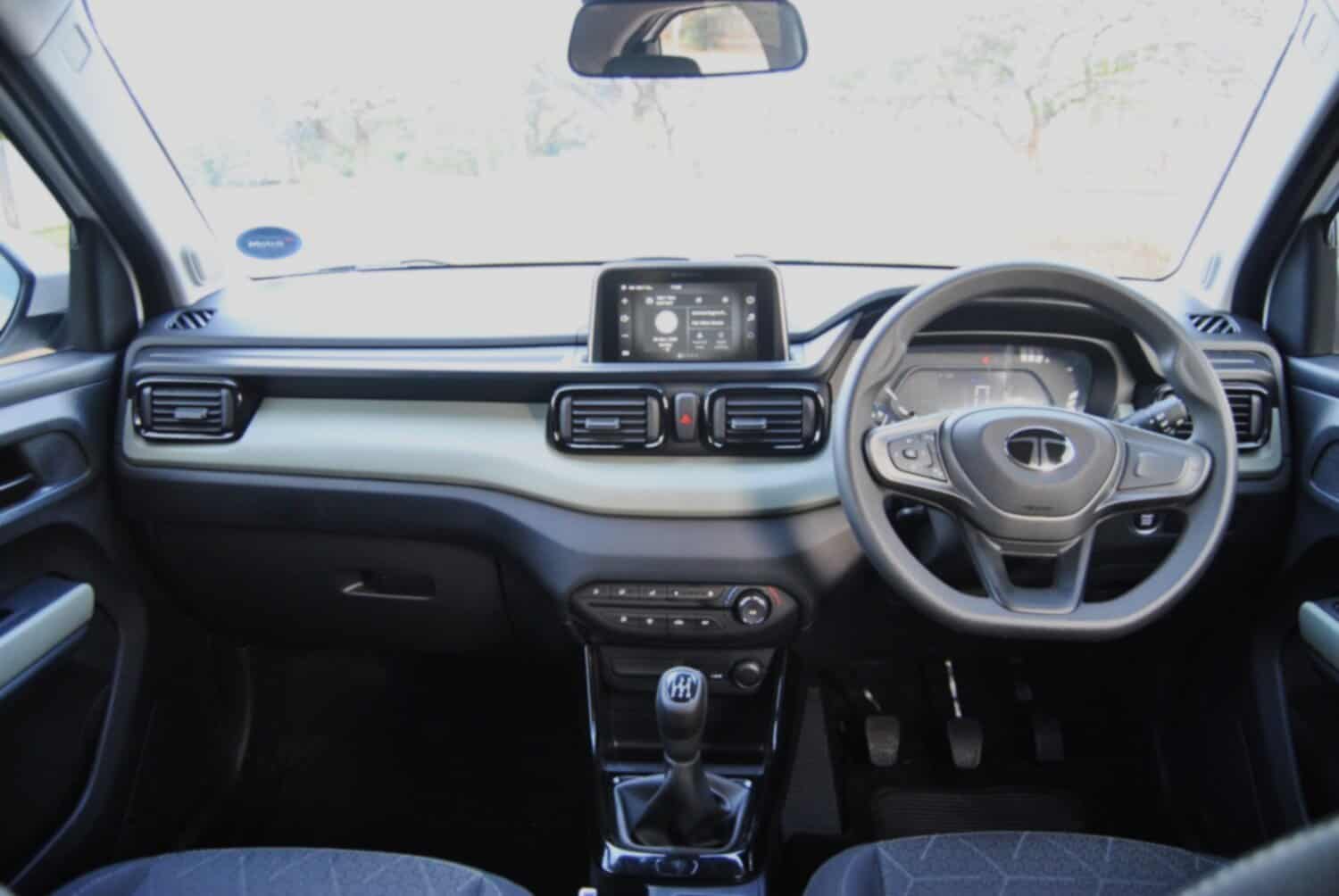
Although dated, the surprise upshot is that the basic layout and design counts in the Punch’s favour as it still relies on physical switchgear rather than being located within the infotainment system.
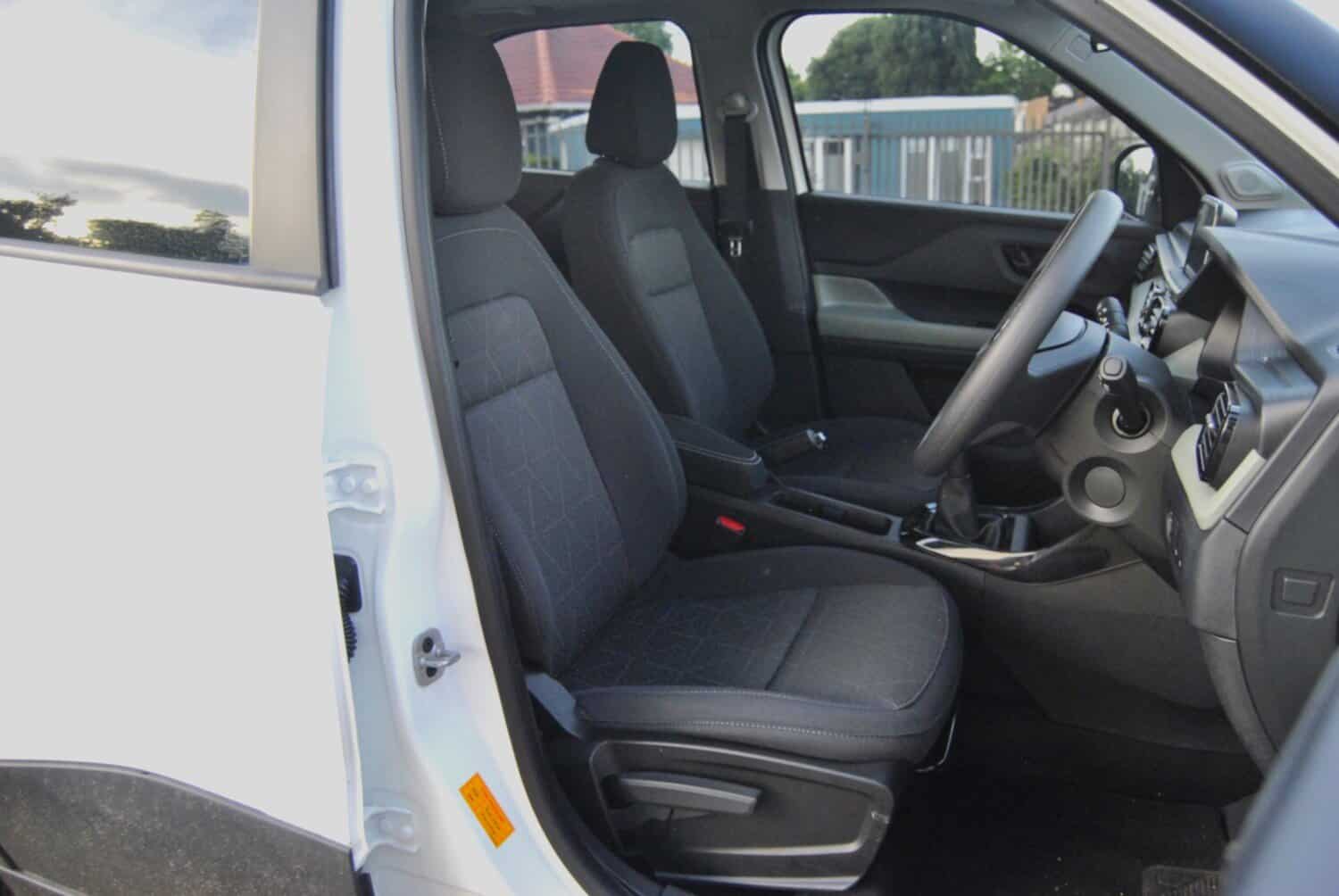
Despite the obvious scratchy surface, built quality is still impressive, seat comfort good, the level of fit-and-finish well above par considering the sub-R300 000 price tag, and the ergonomics laid out with no complications.
Measuring 3 827 mm long and 1 742 mm wide, the unfortunate downside of the Punch is interior space.
While those up front are well catered for, the rear quarters are resoundingly cramped and headroom almost non-existent for above average taller folk due to the ingress of the glass sunroof.
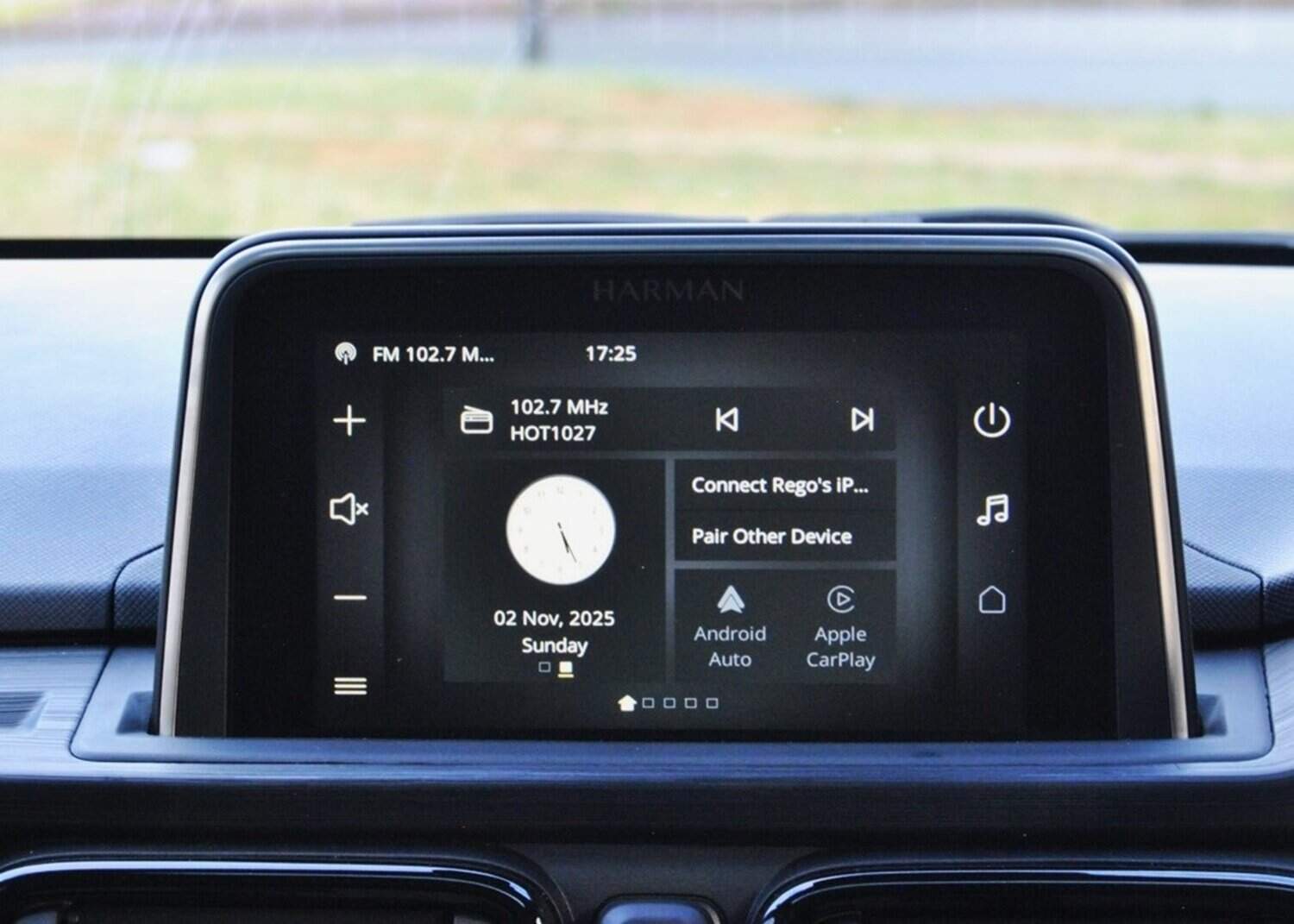
As standard, the Adventure+ S comes equipped with a seven-inch infotainment system incorporating both Apple CarPlay and Android Auto.
Jutting out from the dashboard, the system works relatively well, but feels its age in the smallness of the icons and overall look.
Space and spec
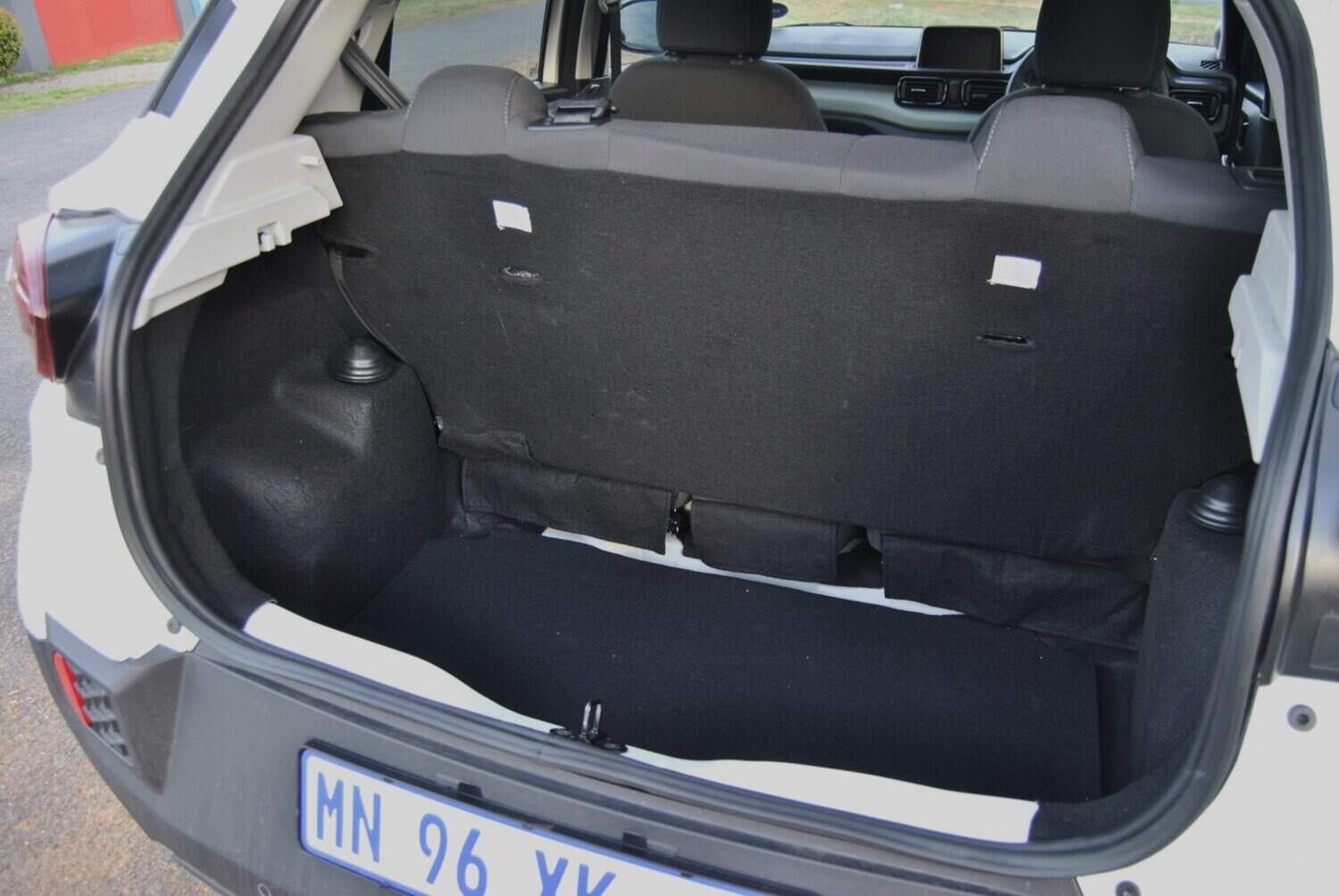
On the practicality front, opening the Punch’s boot reveals a deep boot capable of swallowing 366-litres, though this can be expanded with the 60/40 split rear back folded down. Unfortunately, no figure for this is provided.
Specification is the Punch Adventure+ S’ biggest highlight as it feels better equipped than some of its rivals despite the cabin design suggesting otherwise.
Apart from the mentioned sunroof and infotainment system, standard items comprise a four-inch digital instrument cluster, electric windows and mirrors, a height adjustable driver’s seat, push-button start, rain sense wipers, rear air-conditioning vents, a pair of USB ports and auto on/off headlights.
Feeling also more substantial than some of its R300 000-plus competitors, the Adventure+ S also comes equipped with dual front airbags, a reverse camera, Electronic Stability Control and a decent if not earth shattering sounding six-speaker sound system.
Powertrain’s yes and no’s
Tipping the scales at 1 056 kg, the Punch’s normally aspirated 1.2-litre Revotron petrol engine feels reasonably peppy, but unsurprisingly bogs down when the terrain gets hilly.
Shared with the Tiago, the free-breathing triple outputs 65kW/115Nm, and emits a typical three-cylinder thrum that becomes tiring at slow speeds or when it comes to overtaking.
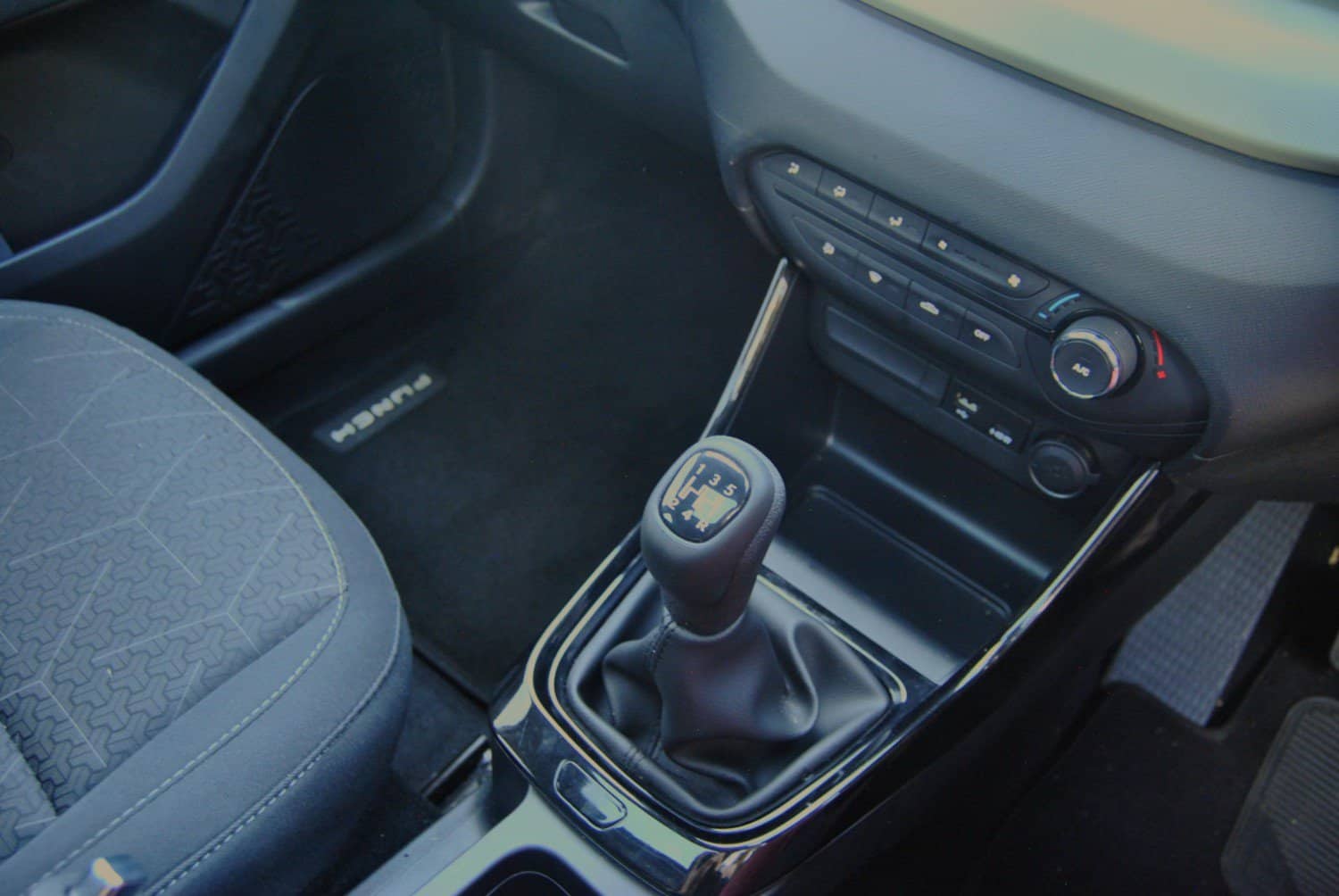
Despite the inclusion of a drive mode selector with Eco and City modes, opting for the latter throughout the seven days still sees the engine only coming into its own when pushed.
The result is that constant rowing of the five-speed ‘box will be required to keep the engine at its maximum.
Fortunately, the ‘box is light and the clutch easy to get accustomed to, however, a notchy feel in second and third persists, not helped by the flimsy feel of the gear lever.
On the move
Diminutive in city and town spaces, helped by the light steering, the Punch is less happy at the national limit and becomes noisy once the needle passes 110 km/h.
At the same time, the combination of its upright design, high suspension meant to traverse safely negotiate uneven terrain, and steelies makes for a top heavy and unsettling feel.
More pliant is the Punch in urban settings, where it also feels more adept, and the 187 mm of ground clearance is useful when good surfaces turn bad.
As for fuel consumption, the eventual weeklong stay over 243 km in mostly urban surroundings netted a best of 13.7 km/l, which converts to 7.3 L/100 km – well off Tata’s 5.3 L/100 km claim.
Conclusion
While the Adventure+ S, arguably, finds itself in a better position price-wise compared to the Accomplished+ and Creative+, the Tata Punch won’t have it easy in what has become the most important and toughest segment in the local market.
Still to prove itself while also tasked with shaking off the “old Tata” stigma, it will likely remain a left-field choice versus its competition rather than being the top-seller it was at home 12 months ago.
Support Local Journalism
Add The Citizen as a Preferred Source on Google and follow us on Google News to see more of our trusted reporting in Google News and Top Stories.

