
'Saps' must find whoever is responsible. If DNA evidence is allowed to disappear into the backlog, another woman may pay for that failure with her life.'
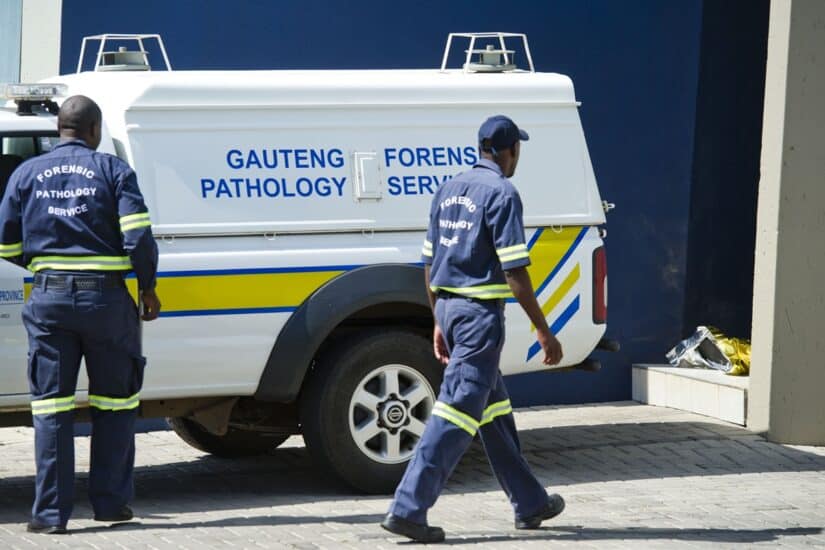
Image used for illustrative purposes: Picture: Gallo Images/Theana Breugem


South Africa’s severely backlogged forensic system could hamper investigations and leave more women targeted as the body of a fifth victim was found by a passerby on the side of the road in Olifantsfontein this Monday morning.
Action Society has warned that delays in processing DNA evidence on the National Forensic DNA Database create a dangerous window of opportunity for offenders to strike again.
The latest discovery follows five previous cases in and around Kempton Park over the past two months, where female victims were found partially clothed or naked with visible bruising.
While police have not formally confirmed whether the deaths are connected, the striking similarities prompted authorities to establish a dedicated multidisciplinary task team and issue warnings to local women to exercise caution.
Police spokesperson Brigadier Athlenda MatheMathe affirmed full trust in the assigned team, but added a note of caution.
“We are hoping that soon there will be a lead, but for now there is still a lot of work to be done. The evidence will guide us as time goes by,” she said.
Lagging DNA system
According to Action Society’s December 2023 findings, DNA analysis identified 486 serial rapists out of 10,493 prioritised cases processed between July 2021 and May 2022 – demonstrating that at least 4.6% were repeat offenders who could potentially be linked to earlier crimes if forensic samples are swiftly processed.
“If these four women were murdered by the same person, we are dealing with a dangerous offender who is unlikely to stop until he is identified and arrested,” said Action Society spokesperson Juanita du Preez.
She stressed that while apprehending the culprit is paramount, forensic evidence remaining stuck in the system means a potential serial offender may continue to escape detection.
“Yet the system that should be helping investigators find dangerous offenders is crippled by backlogs and delays.”
“Women cannot be told to stay indoors, stop running alone and hope that they are not next.”
Public anxiety has been further heightened by the search for 38-year-old Elizabeth “Tsontso” Moselakgomo, who disappeared after an afternoon run on 9 September. Her family has yet to formally confirm if remains found on Saturday belong to her, while the identity and cause of death for the fifth body found on Monday remain unconfirmed.
Backlog threatens investigations
Action Society’s latest assessment, published in June 2026, said approximately 175 500 DNA entries had exceeded their prescribed processing periods.
Only 3.5% of buccal samples were reportedly processed within the legally required 30 days. Routine DNA exhibits performed only slightly better, with 8.88% completed within the required 35-day period.
Calls for urgent forensic testing
Action Society has called on the South African Police Service (Saps) to process evidence from all scenes as a matter of urgency.
“Saps must find whoever is responsible. If DNA evidence is allowed to disappear into the backlog, another woman may pay for that failure with her life.”