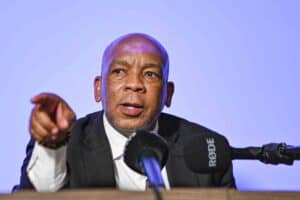
The probe was launched in March 2025 after contract performance was flagged during load shedding emergencies and whistleblower reports.
Eskom released the findings of its independent legal assessment, reconciliation and verification processes into diesel procurement. Picture: Gallo Images


Eskom says an independent investigation has confirmed that all diesel procured under its multibillion-rand contracts is fully accounted for, but reports dispute this, alleging the utility paid hundreds of millions of rand for fuel that never existed.
On Thursday, 27 August 2026, Eskom released the findings of its independent legal assessment, reconciliation and verification processes into diesel procurement under tender MWP2197GX.
Probe
In June, Eskom said it was finalising a forensic investigation into its diesel procurement and storage contract, probing possible irregularities flagged during 2025 load shedding emergencies and through whistleblower reports.
“The forensic probe into diesel procurement under tender MWP2197GX reflects Eskom’s evolving controls – irregularities will be escalated transparently, and criminal or civil recoveries will be pursued where appropriate,” it said.
Probe
The probe started in March 2025 after monitoring contract performance during operational emergencies, including load shedding in early 2025. Eskom also received information through reporting and whistleblowing.
Group Chief Executive Dan Marokane acknowledged the operational pressures of early 2025 but stressed that governance obligations remained paramount.
“The period between January and March 2025 placed significant demands on the power system and required rapid operational responses and difficult decisions by employees and executives to maintain security of supply and protect grid stability.
“However, operational pressures do not diminish our obligation to comply fully with internal controls and governance requirements,” he said.
Reconciliation
According to Eskom an, independent reconciliation found no evidence that paid-for diesel was missing.
“Independent verification processes have confirmed that all diesel paid for was delivered and/or accounted for within Eskom’s supply chain or contractual terms,” Marokane explained.
The investigation did, however, substantiate governance lapses, including payments outside contractual terms and emergency approvals that breached Eskom’s Delegation of Authority.
These irregular payments, amounting to about R3 billion across three suppliers, were made in early 2025, when the grid faced severe pressure.
Corrective measures
Marokane said corrective measures were already being implemented.
“While the investigation identified procedural and governance shortcomings, Eskom began implementing corrective measures as these issues were identified, including strengthening probity and oversight controls, enhancing contract management processes, and initiating accountability measures where warranted,” he noted.
Eskom also disclosed that its Loss Control Function had separately identified R38 billion in irregular expenditure under earlier fuel contracts concluded in 2019, linked to approvals not being obtained from delegated authorities.
Although no financial loss was found, the matter has been referred to Eskom’s Group Security and Investigation.
Investigation
AmaBhungane’s investigation directly challenges Eskom’s assurances. It found that Eskom paid hundreds of millions of rand for diesel that allegedly did not exist, citing records that showed fuel marked as “received” but not found in storage tanks.
The exposé revealed that Eskom authorised large prepayments during the 2025 load shedding crisis, but in some cases the diesel was never delivered.
This raised questions about whether Eskom’s reconciliation processes were based on paperwork rather than physical verification.
The investigation also highlighted concerns about supplier vetting, citing obscure companies and irregular procurement practices that echo past governance failures.
Reviews
Eskom says it has reinstated full‑scope probity reviews for high‑value tenders, clarified Delegations of Authority, and referred certain matters to the Hawks under section 34 of the Prevention and Combating of Corrupt Activities Act.
“We will continue to act on the investigation’s findings, including implementing consequence management where non‑compliance with governance processes has been identified, as well as enforce consistent execution, accountability and monitoring of controls to ensure our governance and procurement processes remain robust, transparent and beyond reproach,” Marokane said.