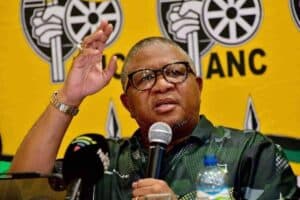
Residents will now be given a digital alternative by which to express their ideas for Johannesburg's community-based developments.
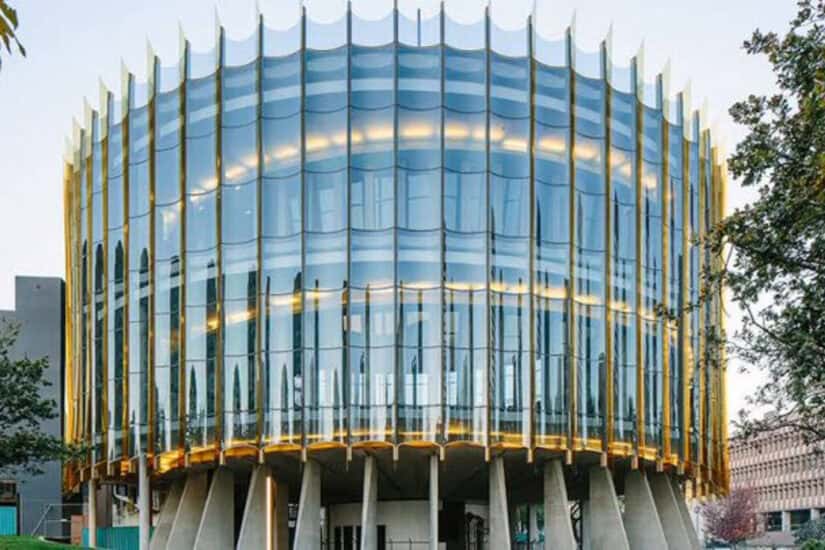
Johannesburg’s city council. Picture: X @CityofJoburgZA


The Johannesburg City Council has passed an amendment to its public participation processes that brings resident-councillor communications into the modern era.
The new framework allows for digital correspondence to be included in recorded community project planning engagements.
Public participation processes had previously been reserved for in-person meetings, often held at times and locations inaccessible to some concerned residents.
The policy review is aimed at increasing the number of residents and organisations who make suggestions or comments on the city’s development plans.
Centred around five priorities, the municipality wishes to improve communication between residents and councillors, empower ward committees, establish feedback mechanisms, enhance accountability and ensure an inclusive and accessible public participation process.
Winning back trust?
The DA’s Alex Christians noted that only 0.3% of Johannesburg’s 16 million residents participated in the formulation of the latest iteration of the city’s integrated development plan.
“[There are] big numbers in the City of Johannesburg, but very few people participating,” Christians lamented.
He explained that the reviewed policy would let people choose how they interact with the city, but he expressed a preference for human interaction.
“We have just passed the public participation policy now, which allows many people who are techno-savvy to give input that way.
“So, hopefully the numbers will pick up in the next term [but] some of us do not want to use technology to communicate; we want that face-to-face,” Christians said on Thursday.
Public participation processes usually occur within certain windows, with Christians suggesting a more open-ended development strategy.
“Hopefully going forward, if the officials can hear me, is let’s expand it. It doesn’t have to start just before. We can already start the process of getting communities’ input way before,” he stated.
Parties unanimously accepted the reviewed policy, with the ACDP’s Fana Mkhonza believing it could help build better relationships with residents.
“In doing this, as public servants, we shall make sure we have won the trust of our residents back,” said the ACDP.
Tarred roads when?
Thursday’s council session began with a question-and-answer session, with finance MMC and deputy mayor Loyiso Masuku fielding a question on roads.
She was asked what was being done about the prevalence of gravel roads in communities across the city.
Masuku confirmed there were roughly 1 040km of untarred roads in Johannesburg, but said the city needed more money to address the issue.
Additionally, road designs were still at a planning phase, and this would be up to the next administration to address.
“The budget currently available for the gravel roads programme was minimised. There is just under R40 million which is being used to complete the gravel roads.
“JRA will request further funds in the adjustment budget that is coming up in December, so that the city puts more into the work of dealing with the designs, and further for the city to increase allocations so that the issues holistically for Johannesburg’s roads are addressed and attended to,” Masuku stated.