
There are concerns that steep hikes in diesel and paraffin will punish the poorest households and drive food costs higher.
Picture: X/@mamelodi4amonth


The Motor Industry Staff Association (Misa) has welcomed the 52‑cent cut in petrol prices, but warned that steep hikes in diesel and paraffin will punish the poorest households and drive food costs higher, turning promised relief into fresh hardship.
Fuel prices
The Department of Mineral Resources and Energy (DMRE) on Monday, 3 August 2026, announced that petrol prices would drop by 52 cents per litre for both 93‑octane and 95‑octane.
However, diesel costs are rising sharply, with 0.05% sulphur increasing by R1.38 per litre and 0.005% sulphur by R1.23.
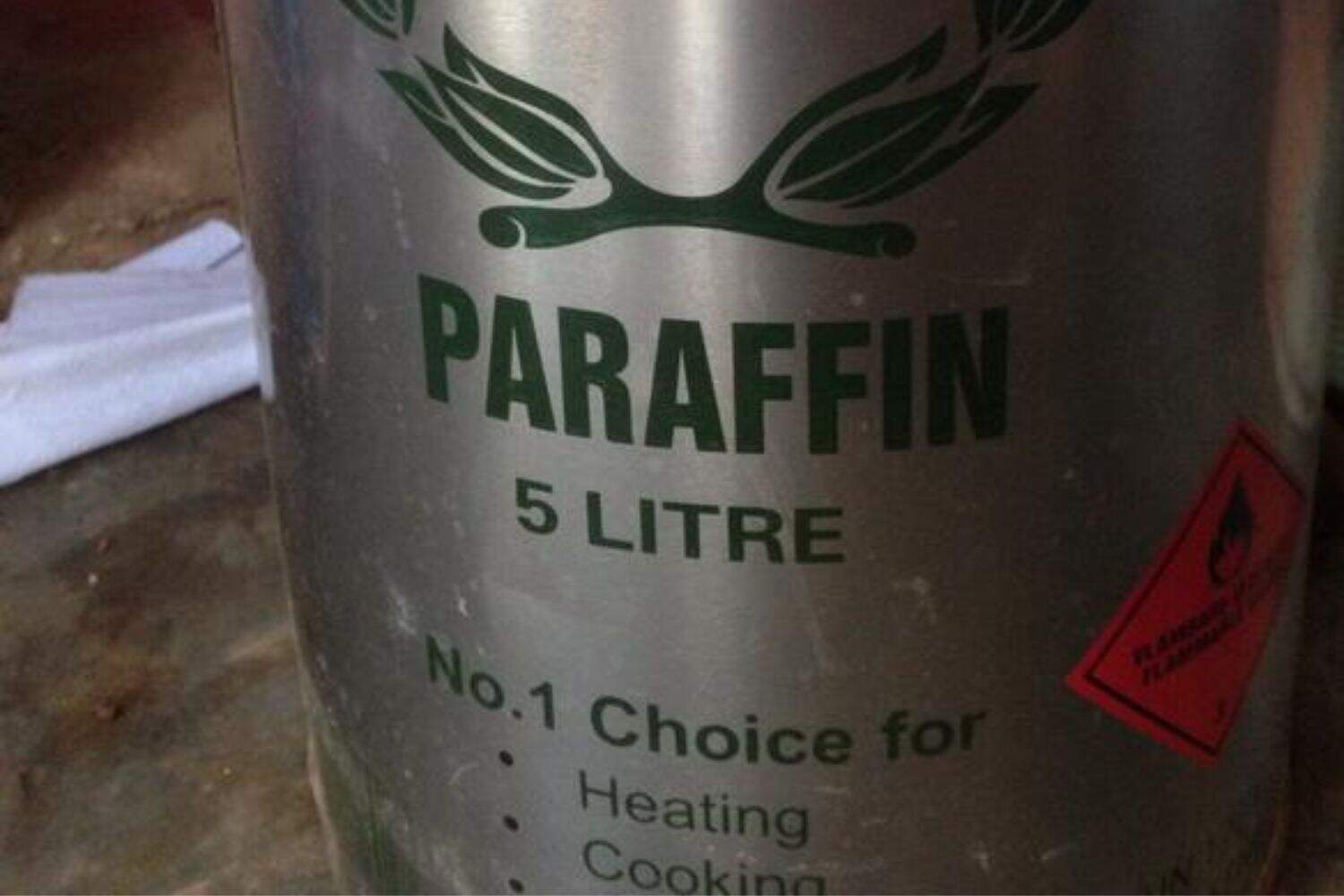
Illuminating paraffin will climb by R1.52 per litre, adding pressure on low‑income households.
In contrast, LP gas prices will ease, falling by R4.41 per kilogram countrywide and R5.03 per kg in the Western Cape.
‘Deeply concerned’
Martlé Keyter, CEO of Operations at Misa, said they are “deeply concerned” about the increase in paraffin prices.
“For millions of the poorest South Africans who depend on paraffin for cooking, heating and lighting, this is not relief; it is a heavier burden. Equally, because diesel powers the trucks that move the nation’s food and goods, a diesel increase threatens to push food prices up at the very moment workers need them to come down.
“We welcome any relief at the petrol pump, but we cannot celebrate a mixed adjustment that raises the cost of paraffin for the poorest families and diesel for the entire food supply chain,” said Keyter.
‘Double burden’
Keyter warned that workers cannot carry the “double burden of high transport and high food costs.”
“When petrol falls, but diesel rises, retailers and taxi operators must not use it as an excuse to keep prices high. The benefit must reach the household budget, not disappear along the way.”
Misa has called on the government to find ways to cushion the impact of the diesel and paraffin increases on vulnerable households, and to ensure that the petrol reduction translates into real relief in food and transport costs.