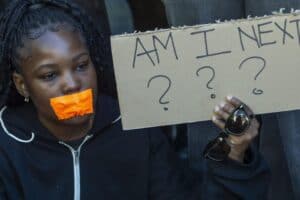
In some of South Africa's most trusted sacred spaces, faith is being used to justify extreme abuse.
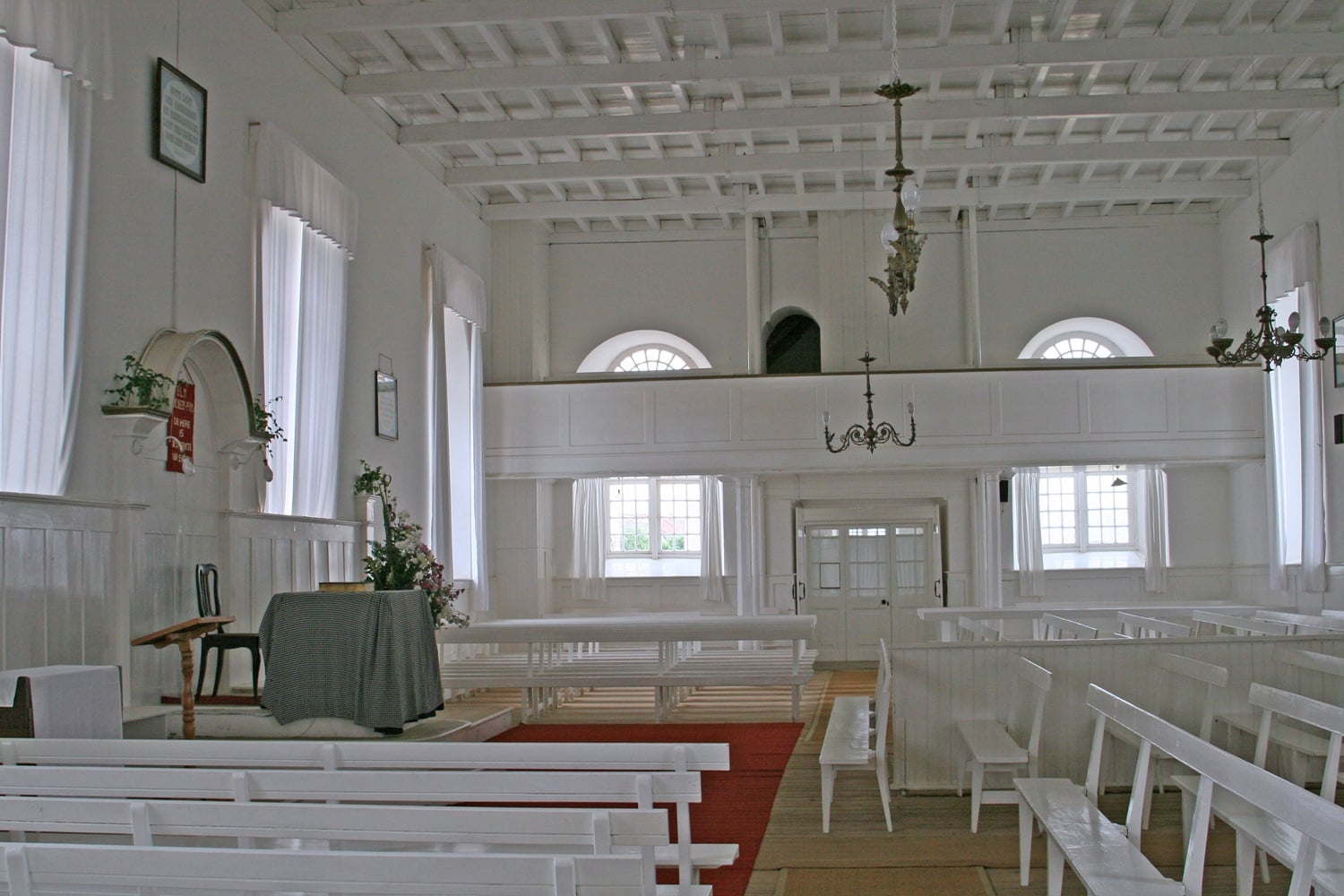
Picture: Gallo Images/Steve Bailey


Recent light brought forward by the CRL Rights Commission exposed rogue religious and cultural leaders who perpetrate extreme forms of physical, emotional, and financial abuse.
Far from being a shield for these exploitative acts, Section 31 of the constitution highlights that these harmful practices directly violate the genuine freedom of religion and faith groups.
The illusion of protection
Section 31 of the constitution was designed to allow communities to practice their faith and culture together.
But, the CRL Rights Commission emphasise that this freedom is not absolute. When spiritual authority is used to coerce, dehumanise or exploit, it crosses from religion into abuse and strips victims of the protections Section 31 promises.
The ways these harmful practices manifest across the country reveal a deeply troubling pattern of manipulation:
Stripping human dignity and threatening life
In some communities, leaders have forced congregants into degrading or life-threatening acts, forcing people to eat grass, drink petrol, or be doused with insecticide, framed as tests of faith.
Furthermore, a catastrophic health crisis is unfolding as believers are instructed to stop taking life-saving chronic medications.
Dangerously, these followers have been ordered to instead rely on “holy water” or “anointing oil” because “God or the ancestors” allegedly commanded them to abandon medical science.
The weaponisation of medicine and childhood neglect
In the most tragic cases, children bear the brunt.
Families under the influence of radical religious or cultural teachings deny their children access to routine healthcare and vital immunisations.
By substituting spiritual remedies for ordinary treatment, these practices directly jeopardise the well-being of youth.
Violence against women and children
Physical and sexual violence are similarly justified through spiritual manipulation.
The Commission identified severe violations where women and children are subjected to sexual abuse under the pretext that “God or the ancestors” declared they must sleep with a practitioner to be healed, find employment or qualify as traditional healers.
Additionally, physical abuse is frequently disguised as a religious necessity, with practitioners inflicting bodily harm on victims under the pretext of “taking out demons” within both the cultural and religious sectors.
“And those become very difficult when it comes to reporting at the police station because the victims do not see themselves as a victim,” said the CRL’s chairperson, Thoko Mkhwanazi-Xaluva.
Aggressive financial exploitation
Beyond physical and emotional trauma, financial ruin is being systematically engineered in the name of faith.
Rogue leaders manipulate congregants into resigning from their jobs, selling all of their personal property, and handing over the entirety of their savings directly to the church.
To enforce absolute compliance, some institutions force congregants to submit their official monthly pay slips, verifying that every individual is paying the maximum, “correct” tithe to the church.
For those seeking path alterations through traditional healing, extortionate and exorbitant fees are charged for training, ensuring that the vulnerability of practitioners-in-training is fully monetised.
Examples
Two case studies illustrate how these dynamics play out.
In 2018, the CRL Rights Commission discovered a highly problematic church that had been operating since the 1980s and was taken over by a group known as “the seven angels” after its presiding leader died in 2015.
The seven leaders of Seven Angel Ministries in Engcobo, Eastern Cape, all brothers who claimed to have come from heaven and to have been chosen by God, engaged in excessive spending.
Church members were sincerely convinced of these celestial claims and willingly, at their own discretion, gave their life’s savings, belongings, and wealth to the church.
When the CRL met with the church, it transpired that the brothers had been spending these rapidly accumulated funds on expensive German cars.
Though money was reportedly kept in boxes or cupboards, a subsequent police raid yielded no cash on the premises, as the funds had either run out or been hidden elsewhere.
While the CRL noted that adult congregants were not breaking the law by voluntarily parting with their fortunes because of their sincere convictions, the most glaring issue was that children at the church had been entirely cut off from school and other social services.
The angels, some of whom had never been to school themselves, claimed the parents were withholding the children, but because clear laws regarding the protection and education of children were broken, it gave authorities a concrete avenue to intervene in an otherwise unregulated ‘cult’ environment.
19 children were removed and put in protective care, as steps were taken to restore their access to education and social grants.
From financial devotion to total rejection of the modern world
A more recent example unfolded in April at the unregistered iKhaya Labafundi mission on the Dabangu site, led by Reverend Vusumuzi Sibiya
Operating entirely in the shadows without any legal registration, the Reverend claimed the church was instead “registered in heaven,” creating a cult-like compound where questioning was strictly suppressed.
The mission’s “anti-modern” doctrine successfully persuaded its approximately 53 members to burn bridges with their past lives, ironically recruiting them through modern tools like a 2025 podcast.
Under this influence, bright futures were discarded, including a follower who abandoned a computer engineering degree at the University of Cape Town.
Adults inside the compound voluntarily quit their jobs and completely walked away from chronic medical treatments in favour of prayer, a stance Reverend Sibiya defended through his own claims of “divine healing.”
The Commission strongly warned that such total rejection of healthcare invites unchecked human rights violations and preventable deaths.
Protecting true freedom of faith
Xaluva maintained that the devastating reality of these practices underscores that harmful distortions of faith do not represent the rich religious tapestry protected by Section 31.
Instead, they hijack constitutional freedoms to insulate perpetrators from accountability.