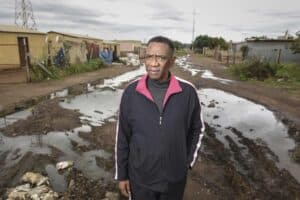
The City of Cape Town said the sewage leak is the school's responsibility, despite broader drainage problems in the area
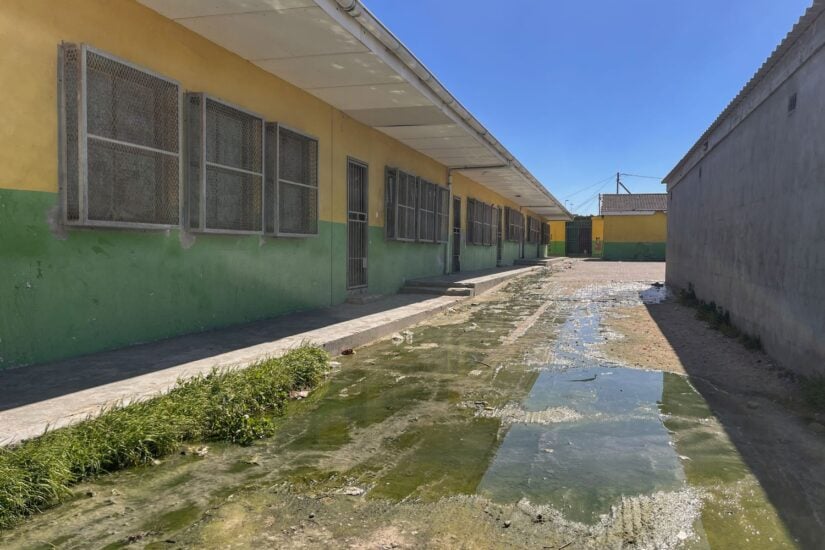
The sewage that seeped into Kuyasa Primary School. Picture: Supplied


A sewage spill at a primary school has highlighted a wider service delivery crisis in Khayelitsha in Cape Town.
Residents say blocked drains and sewage overflows have persisted for years. While pupils lose out on vital classroom time, the Western Cape education department admitted that this time the problem emanated from the school’s own sewerage system.
Sewage in school exposes service delivery failures
The sewage that seeped into Kuyasa Primary School over the past week has exposed a wider service-delivery failure in a community where blocked drains and sewage overflows have become part of daily life, and where residents say they are being passed between the tiers of government when they demand solutions.
Parents forced the suspension of classes at the no-fee school last week after sewage entered parts of the premises, raising concerns about the health and safety of more than 1 500 pupils.
But the problem is more than a school maintenance problem, and does not begin or end at the school gates. Residents and community leaders say blocked drains and sewage flowing through streets are common, with the school repeatedly affected by drainage problems over several years.
Kuyasa is a section inside Khayelitsha, and while there has not been much rain in Cape Town, the streets are flowing with water from blocked drains.
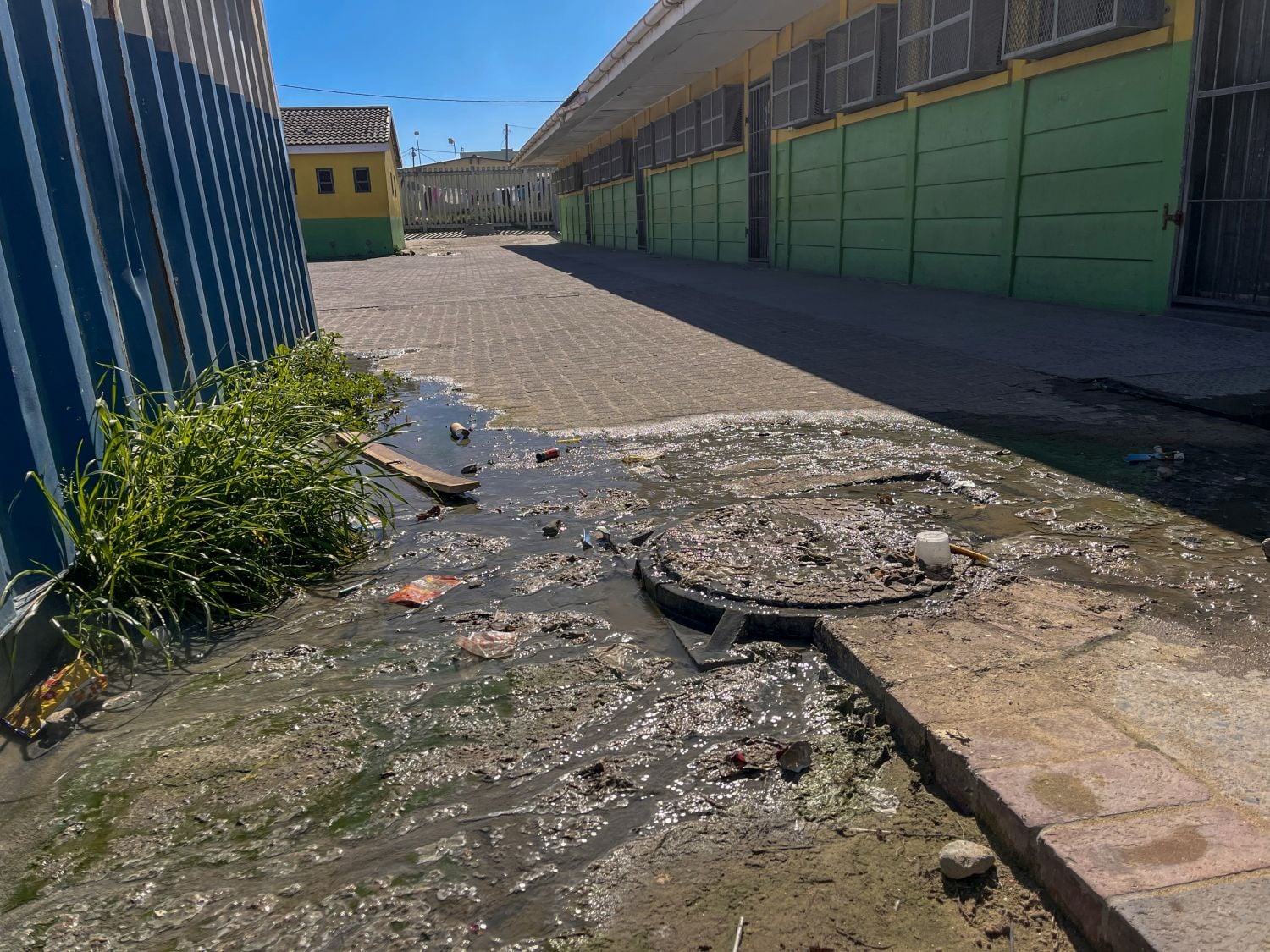
When The Education Desk visited the school on Monday only a handful of teachers were present. A strong sewage smell lingered inside the premises, and stagnant water had turned green.
Not a new problem
School governing body deputy chair Thandiswa Bolani said the drainage problems affecting the school had been known for years. “This is not new. Since 2019, when the current principal arrived here, he told us that the drainage system gets blocked now and then.
“The school is built around a community that has blocked drains, and we need a permanent solution,” she said.
The latest incident has also highlighted a familiar problem for residents: which sphere of government is responsible when a basic infrastructure failure affects a public school? Khayelitsha Development Forum chair Mawande Jara said community representatives had been referred between the Western Cape education department and the City of Cape Town.
“When we intervened, the department directed us to the municipality; vice versa. No one seems to want to take accountability and fix this issue,” he said.
Jara said the community was concerned that the disruption would affect pupils academically, but that children could not be expected to attend school in potentially unsafe conditions.
“We are concerned that children are missing school; this will affect the overall results, but we cannot gamble with their lives,” he said.
The department says the latest leak is a new and separate problem from an earlier sewage leak outside the school that previously caused sewage to enter parts of the grounds. It appealed to residents to allow technical assessments and remedial work to be completed.
Spokesperson Bronagh Hammond said the leak was reported last week and was initially believed to be connected to the same external lines. It was subsequently established, she said, that the problem emanated within the school’s own sewerage system.
“This indicates that the school is dealing with a new and separate issue, which is currently being resolved,” Hammond said.
The department arranged emergency cleaning and sanitisation and said work would be completed on Tuesday, with the school expected to resume normal operations on Wednesday. But by Wednesday, EdDesk confirmed through community members that sewage was still being sucked out, and pupils were being transported in buses hired by the department to a school in Eesteriver.
The department had not responded with an update at the time of going to press.
City of Cape Town says it’s the school’s responsibility
The city said its investigation found the blockage within the school’s property boundaries, making it the school’s responsibility rather than a municipal service matter. Saying the city was not responsible for the blockage within the school, mayoral committee member for water and sanitation councillor Zahid Badroodien said the school should appoint a private plumber to clear the blockage.
The municipality did not respond to questions about whether the sewage overflows at or around the school are linked to the broader drainage problems in the area.
Regardless of the source of the flooding, for parents, the distinction between municipal infrastructure, school infrastructure and departmental responsibility matters less than whether their children have a safe place to learn.
“The infrastructure is old not just in Kuyasa but many communities in Khayelitsha,” said community activist Mbulelo Dwane. “Whatever the department of education does, it will be a temporary solution and all these departments need to work together, or we will face the same challenge in a few weeks.”
This story was produced by The Education Desk, a non-profit newsroom dedicated to addressing schooling challenges in South Africa.