The England rugby team have gone to extraordinary lengths to mimic the altitude factor at Ellis Park.
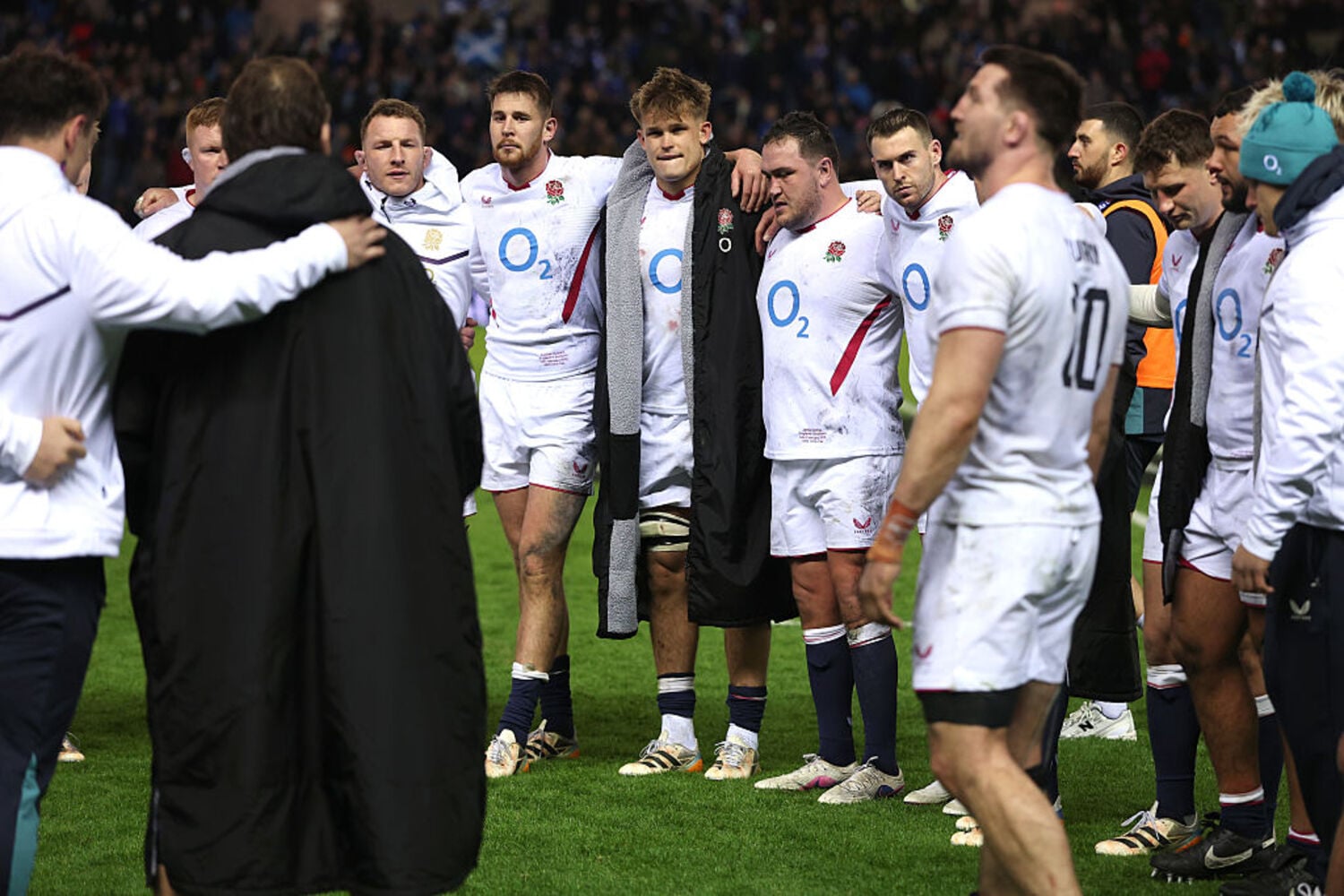
England face the Springboks at Ellis Park next Saturday. Picture: Stu Forster/Getty Images


The England rugby squad have resorted to training with masks on their faces to mimic what they can expect when they take on the Springboks in the first Nations Championship match of the new competition at Ellis Park next Saturday, 4 July.
Ellis Park sits at an altitude of 1,753 metres above sea-level, 400 metres higher than the peak of Ben Nevis, the UK’s tallest mountain.
The majority of the England squad have not played at Ellis Park, or at the altitude they will encounter next weekend.
Senior squad members George Ford and captain Jamie George in the current tour group were part of the team that featured at the Johannesburg venue in 2018 and will have an idea of what awaits them at Ellis Park.
Others though, mainly from Northampton Saints, have played a little on the highveld, mainly at Loftus Versfeld in Pretoria, in the Champions Cup, against the Bulls.
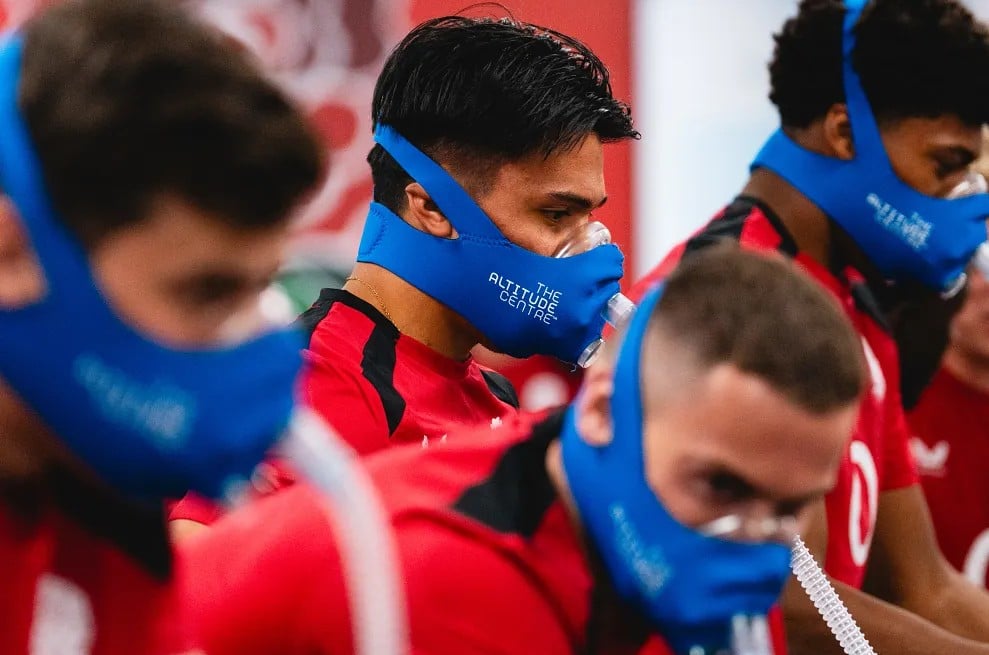
In the build-up to next weekend’s match, the England players have trained on watt bikes wearing what are called “portable hypoxic generators” which restrict the oxygen available to them.
England strength and conditioning coach, Nathan Beardsley, explained that there is both a physical and mental impact of playing rugby at increased altitude, according to the England Rugby website.
“In a rugby scenario, it’s the breathlessness. Physiologically, you’ve got that breathlessness and you’re just trying to get your breath back, but then mentally that would then stack on top of the occasion and the stature of the match,” said Beardsley.
“Players might have repeated bouts of defending their try line or attacking the opposition try line.
“If they’re doing those repeated efforts in England, the oxygen’s there and you can breathe. At altitude, that’s going to be more difficult.”
He added that at altitude, there is less pressure, making the air seem thinner and also making it harder for the body to transfer oxygen into the blood.
Gradually, however, the body can get used to this and begins to transfer the oxygen better.
The masks mimic the breathlessness of playing rugby at altitude.
“The mask works to sharpen the repeated sprint power and bank the breathlessness feeling. You’re preparing that breathlessness feeling and then sharpening the repeated sprint effect, which programmes the plyers’ muscle fibres to work at that fast pace,” said Beardsley.
“There is a setting on the machine that can range from 1,330 metres at the lowest level to 6,500 metres. We basically worked the lads at around 3,500 metres, which is almost double what they’d expect at Johannesburg, so we’re taking them higher on this protocol.”
The match at Ellis Park next Saturday kicks off at 5.40pm.