The pay index reveals that people are receiving very small nominal salary increases, while inflation of 5% is eroding their buying power.
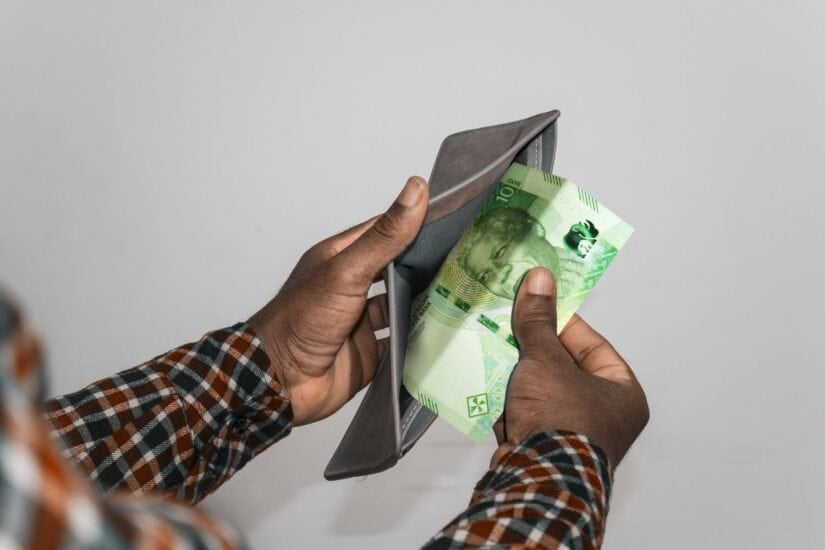
Inflation continues to outpace salaries. Picture: iStock


South Africans may be earning slightly more, but many are finding that their money doesn’t stretch as far. While the average take-home salary increased in June, rising inflation and higher living costs have wiped out those gains, leaving workers with the weakest purchasing power in about two years.
According to the PayInc Net Salary Index for June, the average nominal net salary increased to R21 598 in June 2026, up 0.4% from May. However, salaries were only 0.5% higher than a year ago, highlighting the subdued pace of earnings growth.
The PayInc Net Salary Index tracks the average nominal net salaries of approximately 2.1 million salary earners in South Africa.
Inflation continues to outpace salaries
Independent economist Elize Kruger said inflation continues to outpace salaries.
“Although salary earners are taking home marginally more in rand terms, inflation continues to outpace wage growth, steadily reducing their purchasing power.”
She noted that the first half of 2026 had proven particularly challenging for salary earners. “Nominal net salaries increased by just 1.5% over the six months, while real net salaries declined by 2.1%, reversing the stronger gains experienced over the previous two years.”
In June, the PayInc Net Salary Index declined by 0.3% in real terms compared to May and by 3.6% year-on-year, bringing the average real net salary to R20 198, reaching the lowest level recorded in approximately two years.
Decline in real salaries
“The continued decline in real earnings is likely to place increasing pressure on household budgets and consumer spending during the remainder of the year,” said Kruger.
“As disposable income comes under strain, households are becoming more cautious with discretionary spending, which could weigh on broader economic activity.”
While higher fuel prices have contributed to rising inflation in recent months, administered price increases are emerging as an equally significant source of financial pressure.
“Many salary earners will soon begin to feel the impact of annual increases in electricity, water and other municipal tariffs,” she said. “These administered prices have consistently increased faster than headline inflation, placing additional pressure on household finances even as salary growth remains subdued.”
Electricity, fuel keep hurting households
Items included in the Administered Price Index account for 12.9% of the consumer price basket and include electricity, water supply, refuse collection, sewerage, assessment rates, fuel, vehicle licence fees and education costs.
Kruger said although administered price inflation accelerated to 13.7% in May, largely due to fuel price increases, administered price inflation excluding fuel also increased to 7.6%, well above headline consumer inflation of 4.5%.
“Electricity remains one of the largest contributors to administered price inflation, with many municipalities implementing tariff increases well above the inflation rate,” she said.
“These increases not only reduce household purchasing power but also raise operating costs for businesses, affecting economic competitiveness, investment and employment.”
Future does not look promising
She added that with inflation expectations drifting higher, administered prices remaining elevated and international oil prices once again under pressure from renewed geopolitical tensions, the economic outlook remains uncertain.
“Until wage growth begins to outpace inflation again, many South Africans are likely to remain under financial pressure despite modest increases in nominal salaries.”
Professor Waldo Krugell, an economist at the Faculty of Economic and Management Sciences at the North-West University (NWU), told The Citizen it is concerning that households are not getting nominal salary increases, despite inflation growing.
He was commenting on the latest consumer price index (CPI) released on Wednesday, which showed that inflation accelerated to 5.0% in June 2026, up from 4.5% in May, driven mainly by higher transport costs, housing and utilities, and insurance and financial services.
Inflation eating into buying power
Krugell said the drivers of inflation are not surprising. The latest figures raise the question of whether there is already evidence of higher fuel prices translating into higher prices across the board.
“That’s not quite clear, but the core rate and services inflation rates are up, which I think will draw the attention of the South African Reserve Bank (Sarb) Monetary Policy Committee (MPC).
“The repo rate increase will definitely hurt consumers. The recent pay index shows that households are not getting nominal salary increases, and inflation at 5% really eats into your buying power.
“This means that consumer spending, as a possible driver of economic growth this year, is also taking a hit.”